Author: Laura Ledas - Page 2
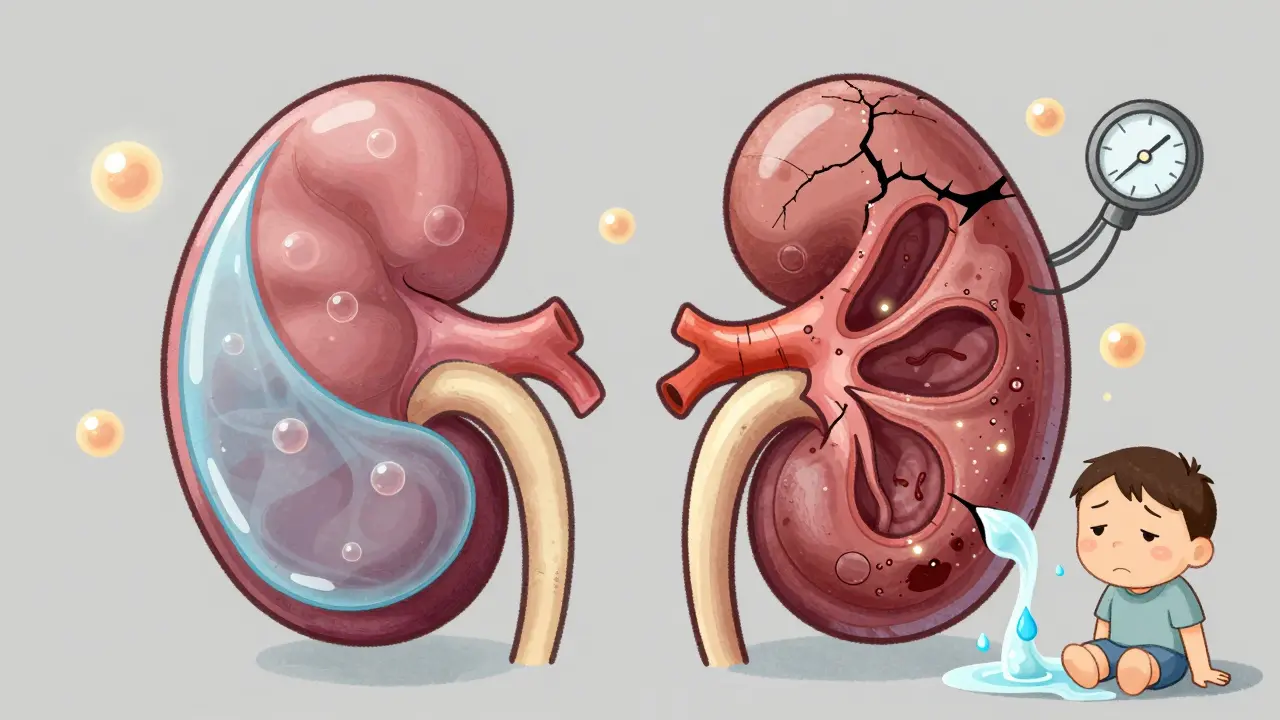
Kidney Failure Causes: How Diabetes, Hypertension, and Glomerulonephritis Damage Your Kidneys
- Laura Ledas
- Mar, 6 2026
Diabetes, hypertension, and glomerulonephritis cause over 80% of kidney failure cases. Learn how each damages your kidneys, why early testing saves function, and what treatments actually work-backed by the latest clinical data.
Learn More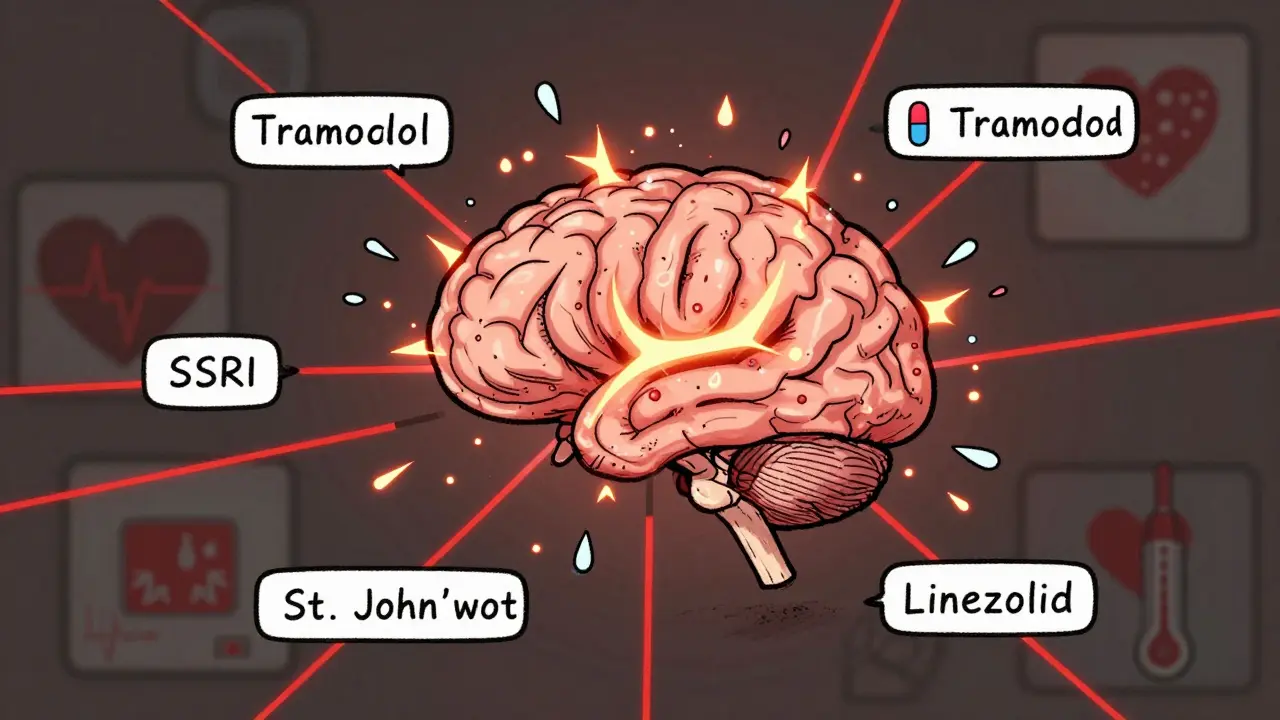
SSRI Antidepressants and Serotonin Syndrome Risk from Drug Interactions
- Laura Ledas
- Mar, 2 2026
SSRI antidepressants are widely prescribed, but mixing them with other drugs can cause serotonin syndrome - a life-threatening condition. Learn which combinations are dangerous and how to protect yourself.
Learn More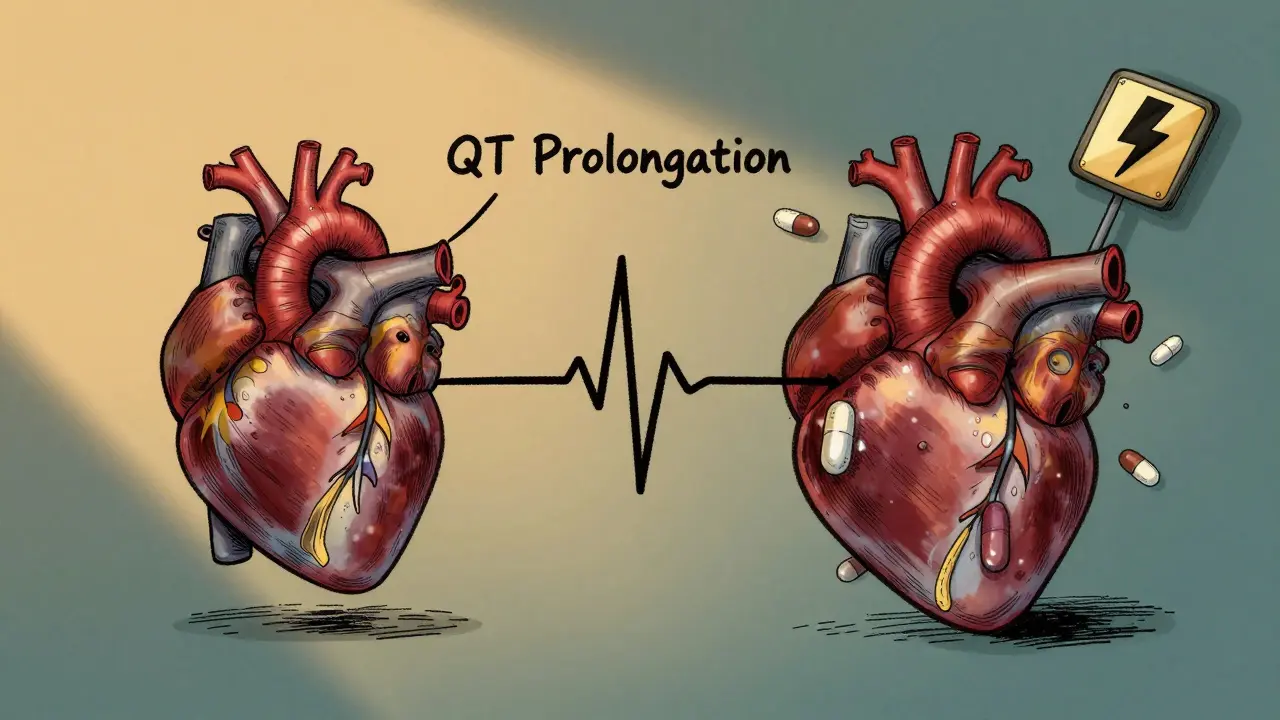
Antimalarial Medications: QT and CYP Interactions You Can't Ignore
- Laura Ledas
- Mar, 1 2026
Antimalarial drugs like hydroxychloroquine and artemether-lumefantrine can cause dangerous heart rhythms when combined with other medications. Learn which drugs interact, who’s at risk, and how to stay safe.
Learn More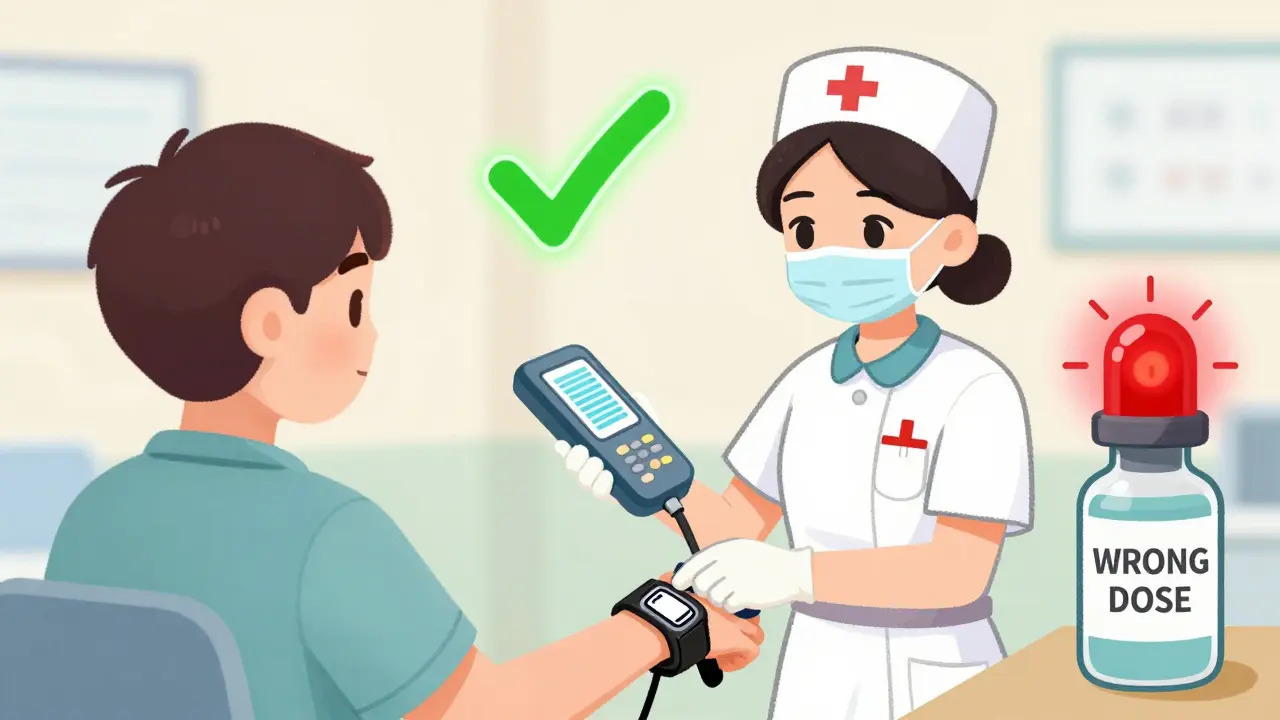
Navigating Medication Safety in Hospitals and Clinics: Key Practices to Prevent Errors
- Laura Ledas
- Feb, 22 2026
Medication errors cause thousands of preventable deaths each year in U.S. hospitals. Learn the key safety practices-from high-alert drugs to barcode scanning-that are saving lives and how patients can help too.
Learn More
Medication Safety for College Students and Young Adults: What You Need to Know
- Laura Ledas
- Feb, 20 2026
College students are misusing prescription drugs at alarming rates, especially stimulants like Adderall. Learn the real risks, where the drugs come from, and what campuses are doing to stop it.
Learn More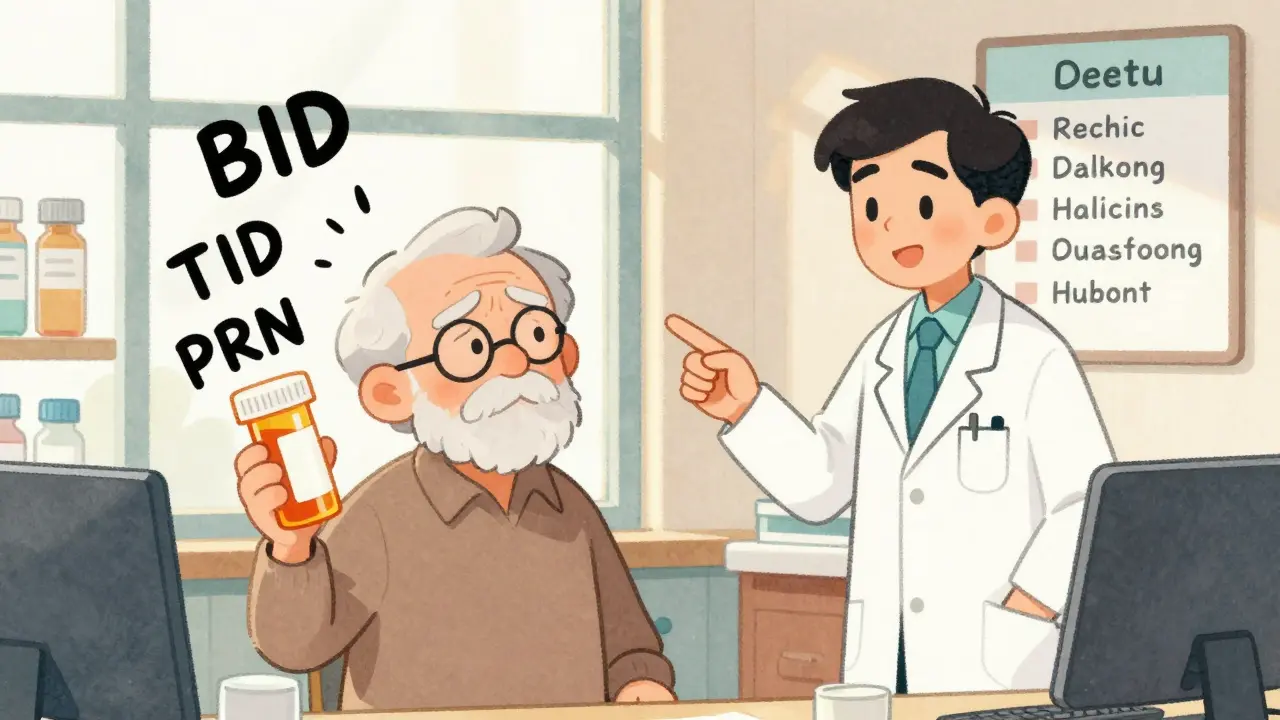
How to Read Prescription Label Directions Like BID, TID, and PRN
- Laura Ledas
- Feb, 16 2026
Learn what BID, TID, and PRN really mean on your prescription label. These Latin abbreviations are still used in U.S. prescriptions - and misunderstanding them can make your medicine less effective or even dangerous.
Learn More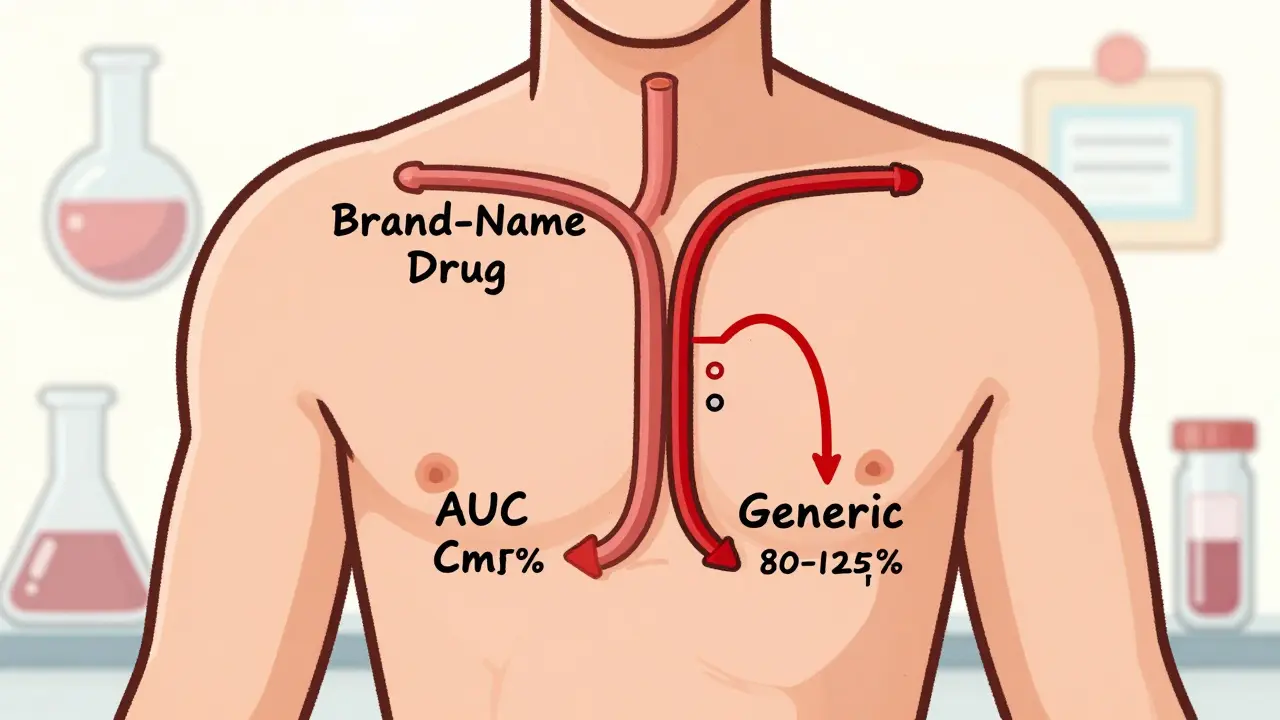
Bioequivalence Studies: What the FDA Requires Manufacturers to Prove
- Laura Ledas
- Feb, 15 2026
The FDA requires generic drug manufacturers to prove bioequivalence through rigorous clinical studies that show their product matches the brand-name drug in absorption and blood concentration. This ensures safety, effectiveness, and therapeutic equivalence.
Learn More
Patient Communication in Drug Shortages: What Providers Must Do
- Laura Ledas
- Feb, 13 2026
When drugs run out, patients need clear, honest communication-not just a new pill. Providers must explain why the shortage happened, what the alternative is, and how to stay safe. This guide breaks down what healthcare professionals must do-and what happens when they don’t.
Learn More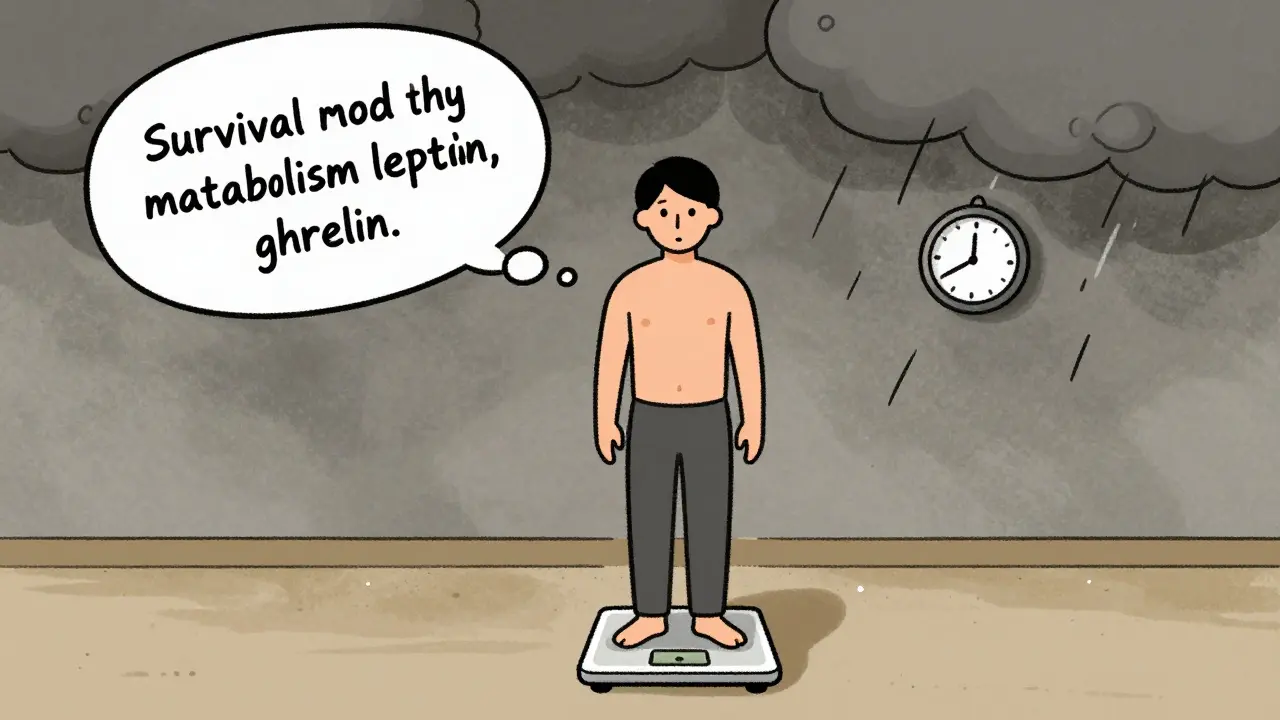
Weight Maintenance: How to Keep Off the Pounds After Losing Them
- Laura Ledas
- Feb, 9 2026
Losing weight is hard. Keeping it off is harder. Only 25% of people succeed long-term. This article breaks down the science-backed habits of those who do - no gimmicks, no diets, just real strategies that work.
Learn More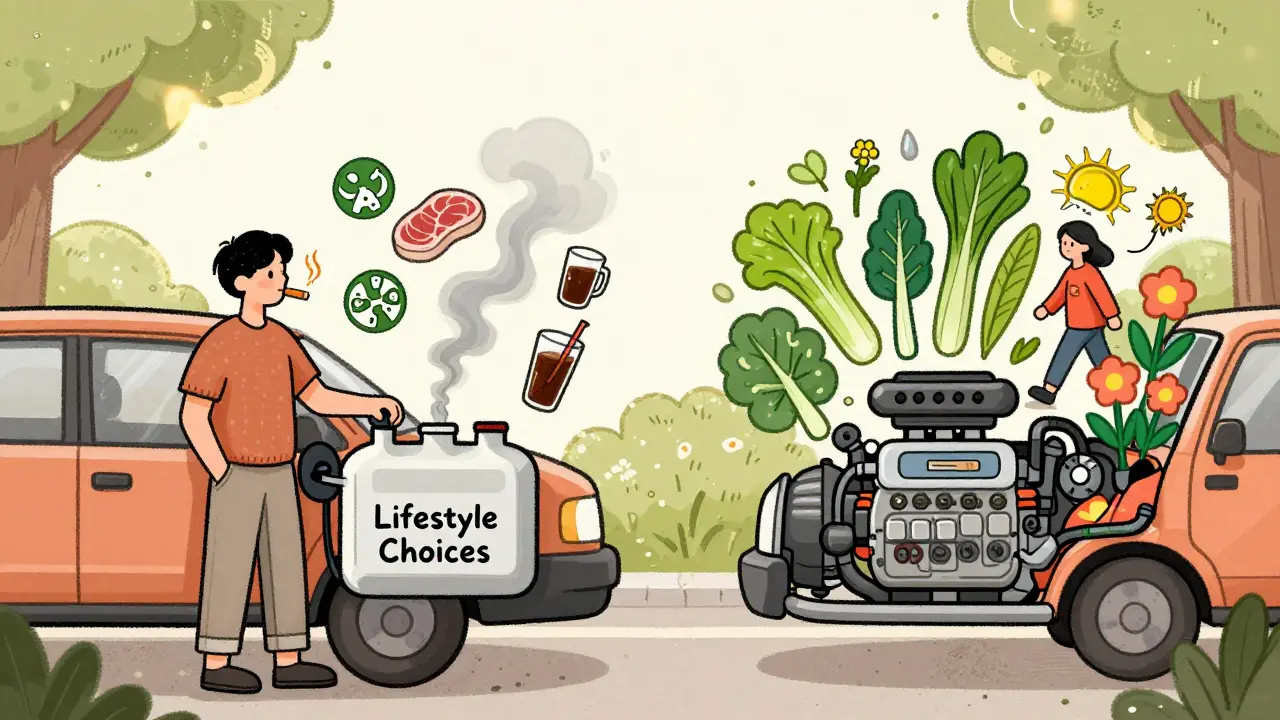
Cancer Prevention: How Lifestyle and Chemoprevention Can Lower Your Risk
- Laura Ledas
- Feb, 8 2026
Cancer prevention isn't about miracle cures-it's about daily choices. Learn how lifestyle changes like diet, exercise, and avoiding tobacco can cut your risk by over 20%, and what chemoprevention really means.
Learn More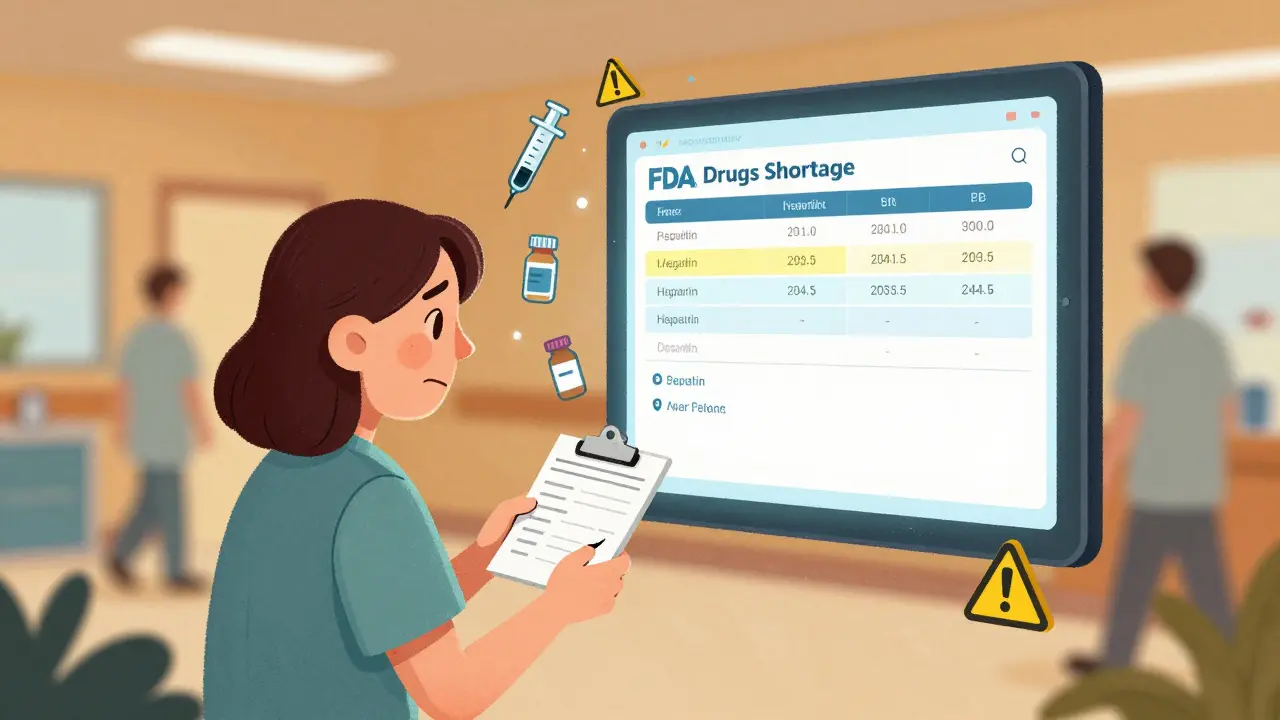
FDA Drug Shortage Database: How to Check Medication Availability
- Laura Ledas
- Feb, 7 2026
Learn how to use the FDA Drug Shortage Database to check if your medication is in short supply. Find out what data it provides, how to access it, and how to respond when a drug you need isn't available.
Learn More
How to Involve Grandparents and Caregivers in Pediatric Medication Safety
- Laura Ledas
- Feb, 7 2026
Grandparents care for millions of children, but their medications are a hidden danger. Learn how to prevent pediatric poisonings by securing medicine at home, using free safety tools, and talking to caregivers without blame.
Learn More