Author: Laura Ledas
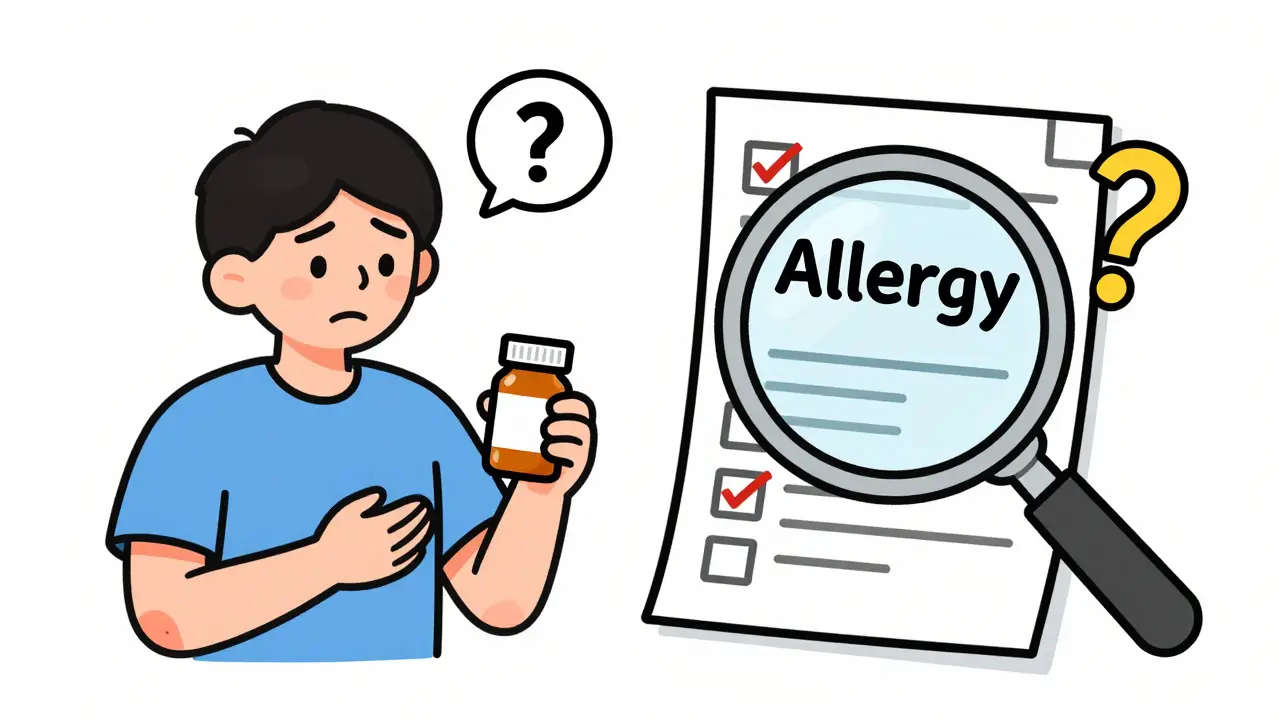
Drug Allergies vs. Side Effects: How to Tell the Difference
- Laura Ledas
- Apr, 6 2026
Confused by a bad reaction to medicine? Learn the critical difference between drug allergies and side effects to ensure safer and more effective medical treatment.
Learn More
Chemotherapy Safety Guide: Safe Handling and Administration of Antineoplastic Drugs
- Laura Ledas
- Apr, 5 2026
Learn the essential safety protocols for handling and administering antineoplastic therapies, including the latest ASCO/ONS and USP <800> standards for healthcare providers and caregivers.
Learn More
Intranasal Corticosteroids vs Antihistamines: Which Works Best for Allergic Rhinitis?
- Laura Ledas
- Mar, 30 2026
Compare intranasal corticosteroids and antihistamines for allergy relief. Learn which works best for nasal congestion, proper timing, and safety tips for managing seasonal allergies effectively.
Learn More
Medication Side Effects That Cause Frequent Urination and Bladder Urgency
- Laura Ledas
- Mar, 30 2026
Discover common medications that cause frequent urination and bladder urgency. Learn practical tips to manage side effects without stopping vital treatment.
Learn More
Understanding Adverse Event Rates: Percentages and Relative Risk Explained
- Laura Ledas
- Mar, 27 2026
Explore how adverse event rates are calculated in clinical trials, from simple percentages to exposure-adjusted methods used by the FDA and regulators.
Learn More
Long-Term Effects of Medication Overdose on Health: What Survivors Really Face
- Laura Ledas
- Mar, 23 2026
Medication overdose doesn't end when you wake up. Survivors often face permanent brain damage, organ failure, and mental health disorders. Here's what really happens after the emergency room.
Learn More
Generic Myths Debunked: Separating Fact from Fiction in Patient Education
- Laura Ledas
- Mar, 22 2026
Many common health beliefs-like drinking eight glasses of water a day or sugar causing hyperactivity-are myths. This article separates fact from fiction using science-backed evidence to help patients make better health decisions.
Learn More
First Trimester Medication Safety: Critical Periods Explained
- Laura Ledas
- Mar, 20 2026
The first trimester is the most critical time for fetal development. Learn which medications are safe, which to avoid, and how to make informed choices during pregnancy without unnecessary fear.
Learn More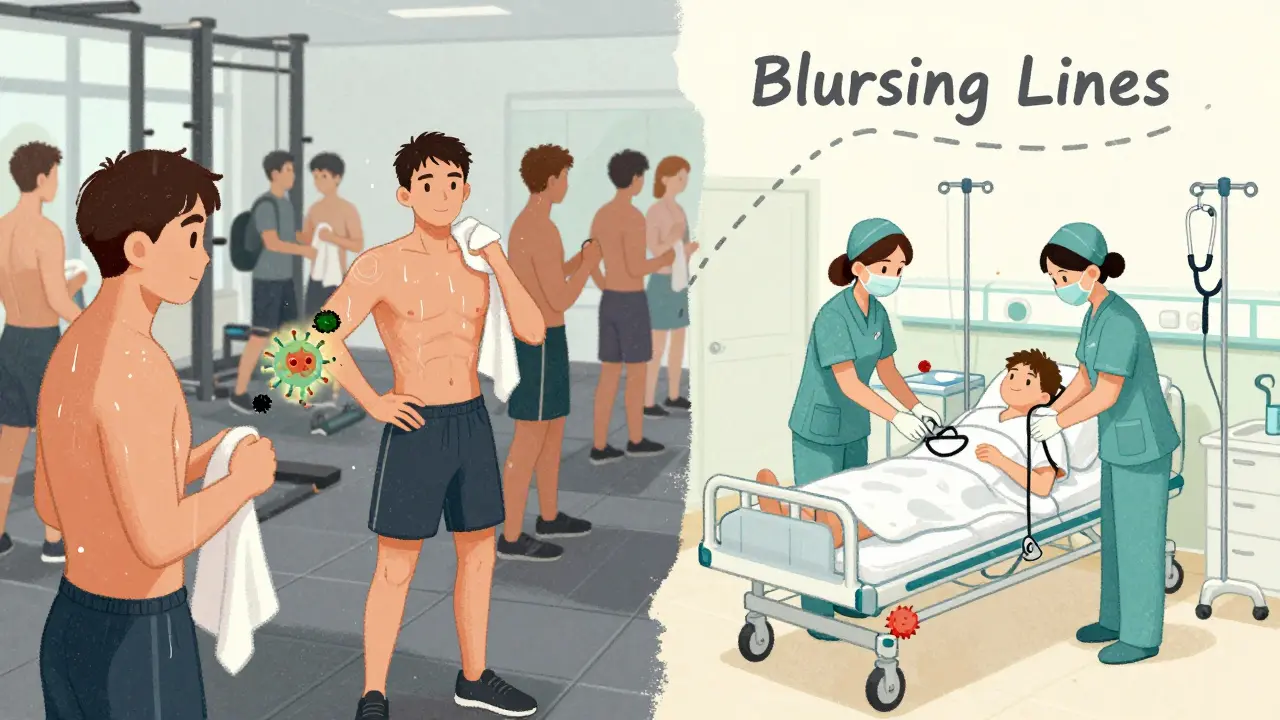
MRSA Infections: Community vs. Hospital Transmission and Treatment
- Laura Ledas
- Mar, 16 2026
MRSA infections are no longer just a hospital problem. Community strains now spread widely, and hospital strains are appearing in the community. Understanding the differences in transmission and treatment is key to stopping this evolving threat.
Learn More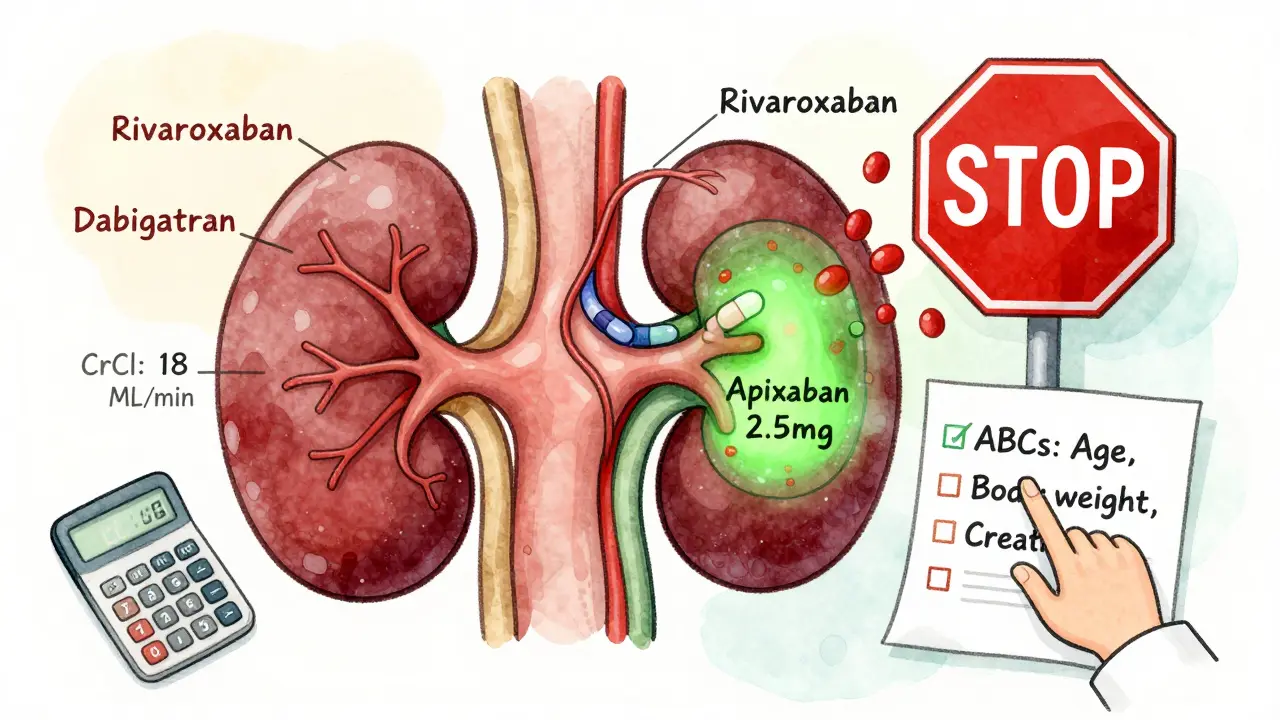
DOACs in Renal Impairment: How to Adjust Dosing to Prevent Bleeding and Clots
- Laura Ledas
- Mar, 15 2026
DOACs like apixaban and rivaroxaban are common for stroke prevention in atrial fibrillation, but kidney problems change dosing needs. Learn how to adjust doses to avoid bleeding or clots.
Learn More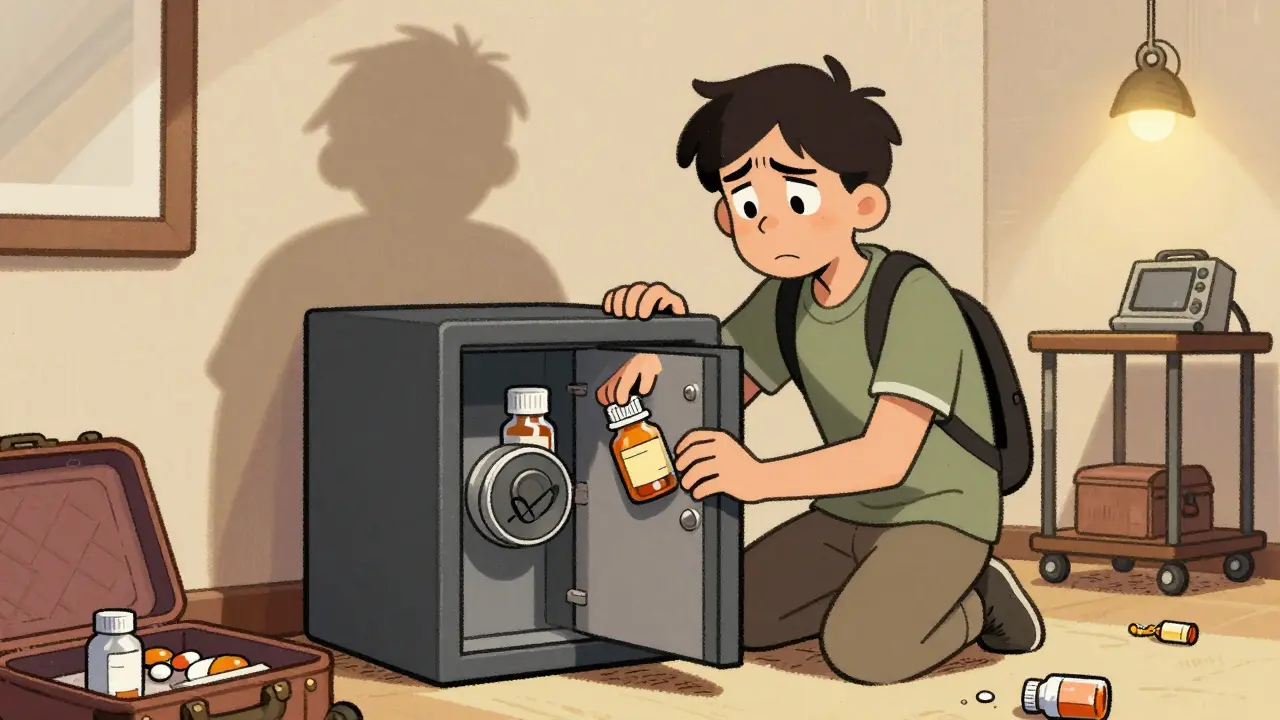
How to Handle Medication Security at Hotels and Hostels
- Laura Ledas
- Mar, 13 2026
Learn how to securely store prescription and emergency medications in hotels and hostels to prevent theft, accidental access, or legal issues while traveling. Practical steps for every type of traveler.
Learn More
Federal Circuit Court: Authority on Pharmaceutical Patent Cases
- Laura Ledas
- Mar, 8 2026
The Federal Circuit Court holds exclusive authority over all U.S. pharmaceutical patent cases, shaping how generics enter the market, how patents are challenged, and how dosing innovations are protected. Its rulings on ANDA jurisdiction, Orange Book listings, and obviousness standards have transformed drug development and litigation.
Learn More