Non-Dose-Related Side Effects: What They Are and Why They Matter
When you think of side effects, you probably imagine getting sick because you took too much. But non-dose-related side effects, adverse reactions that happen even at normal, prescribed doses are just as real—and often harder to predict. These aren’t about quantity. They’re about your body’s unique response to a drug’s chemistry, its fillers, or how it interacts with your genes, diet, or other meds. A person on the right dose can still get a rash, a yeast infection, or muscle pain, not because they overdosed, but because their system reacted in a way no pill bottle warns about.
These reactions often come from things you can’t control: your gut bacteria, your liver enzymes, or even the dye in the pill. For example, inactive ingredients, the fillers, preservatives, and colorants in medications can trigger reactions in sensitive people. One person might tolerate a generic version of a drug fine, while another breaks out in hives—not because of the active ingredient, but because of a different starch or coating used by a different manufacturer. Then there’s drug interactions, when two or more medications or foods change how a drug behaves in your body. A common painkiller might make your blood pressure med less effective. Coffee could turn your ADHD pill into an anxiety bomb. These aren’t overdoses. They’re mismatches.
Some side effects are tied to how your body processes the drug. Statins might cause muscle pain not because you’re taking too much, but because your body can’t make enough CoQ10 to protect your muscles. Tetracycline doesn’t burn your skin because you took too many pills—it’s because the drug makes your skin react to sunlight in a way your body never learned to handle. Even something as simple as a yeast infection from an SGLT2 inhibitor isn’t about sugar levels—it’s about how the drug changes the environment in your urinary tract, letting fungi grow where they shouldn’t.
These reactions are why two people on the same drug, at the same dose, can have totally different experiences. One feels fine. The other ends up in the ER. That’s not bad luck. It’s biology. And it’s why reporting side effects—even the weird ones—matters. Systems like MedWatch, the FDA’s official platform for tracking adverse drug events help build the data that eventually leads to better warnings, safer formulations, and smarter prescribing.
What you’ll find below isn’t a list of symptoms. It’s a collection of real stories behind the side effects that don’t follow the rules. From manufacturing defects that change how a pill works, to how gut bacteria can trigger autoimmune flares, to why your generic pill might be causing problems your brand-name version never did. These aren’t rare cases. They’re the hidden side of medicine—and knowing about them might just save you from a bad reaction you never saw coming.
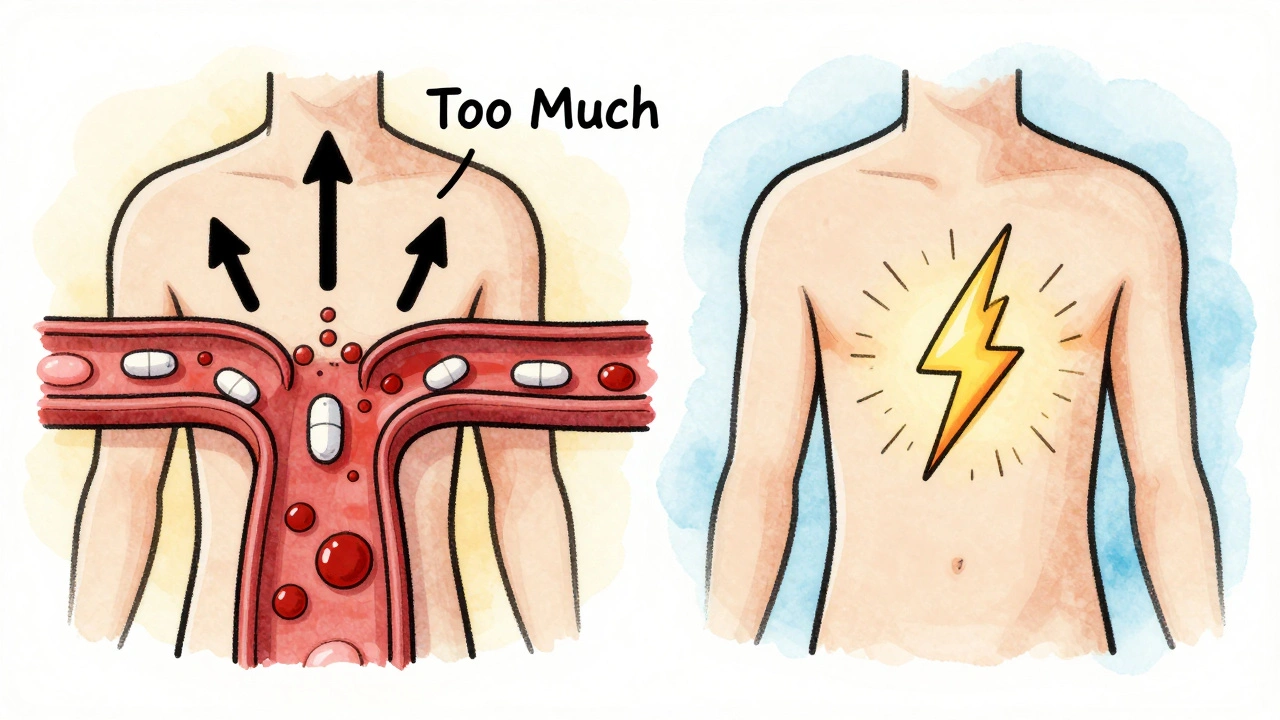
Dose-Related vs Non-Dose-Related Side Effects: What You Need to Know in Pharmacology
- Laura Ledas
- Dec, 1 2025
Learn the critical difference between dose-related and non-dose-related side effects in pharmacology. Understand why some reactions are predictable and others aren't - and what it means for your safety on medication.
Learn More