MedWatch: Understanding Drug Safety, Side Effects, and Regulatory Insights
When you take a pill, you trust it’s safe—but MedWatch, the FDA’s official system for collecting and analyzing reports of adverse drug reactions and safety issues. Also known as FDA MedWatch, it’s the backbone of post-market drug safety in the U.S. This isn’t just bureaucracy. It’s how hidden dangers like statin muscle damage, cyclosporine kidney toxicity, or opioid constipation get flagged after millions of people use a drug. MedWatch turns patient stories, doctor reports, and lab data into real-world warnings that change how medications are used—or pulled from shelves.
Behind every MedWatch alert is a pattern. Adverse drug reactions, unintended and harmful responses to medications. Also known as drug side effects, they come in two main types: those tied to dose (like liver damage from too much acetaminophen) and those that aren’t (like rare but severe allergic reactions to antibiotics). These aren’t just academic terms—they explain why some people get sick on a drug while others don’t. Meanwhile, FDA reports, publicly accessible safety data pulled from MedWatch and FAERS databases. Also known as FAERS data, they let anyone dig into real cases of tetracycline sun burns, SGLT2 inhibitor yeast infections, or tramadol seizures. You don’t need to be a scientist to use them—just curious and careful. And when generics are involved, the story gets even more layered. Manufacturing defects like weight variation or contamination don’t show up in clinical trials—they show up in MedWatch. That’s why a generic pill might work fine for one person but cause unexpected reactions in another, thanks to different fillers or dyes.
What you’ll find here isn’t a list of warnings—it’s a map. A map of how a common painkiller can worsen heart failure, how gut bacteria might trigger autoimmune flares, or why mixing caffeine with ADHD meds can backfire. These posts don’t just describe problems. They show you how to spot them, what to ask your doctor, and how to use public data to protect yourself. Whether you’re managing statin muscle pain, avoiding acetaminophen overdoses, or checking if your online pharmacy is legit, this collection gives you the tools to move from passive patient to informed user. No fluff. No guesswork. Just what the data says—and what you can do next.
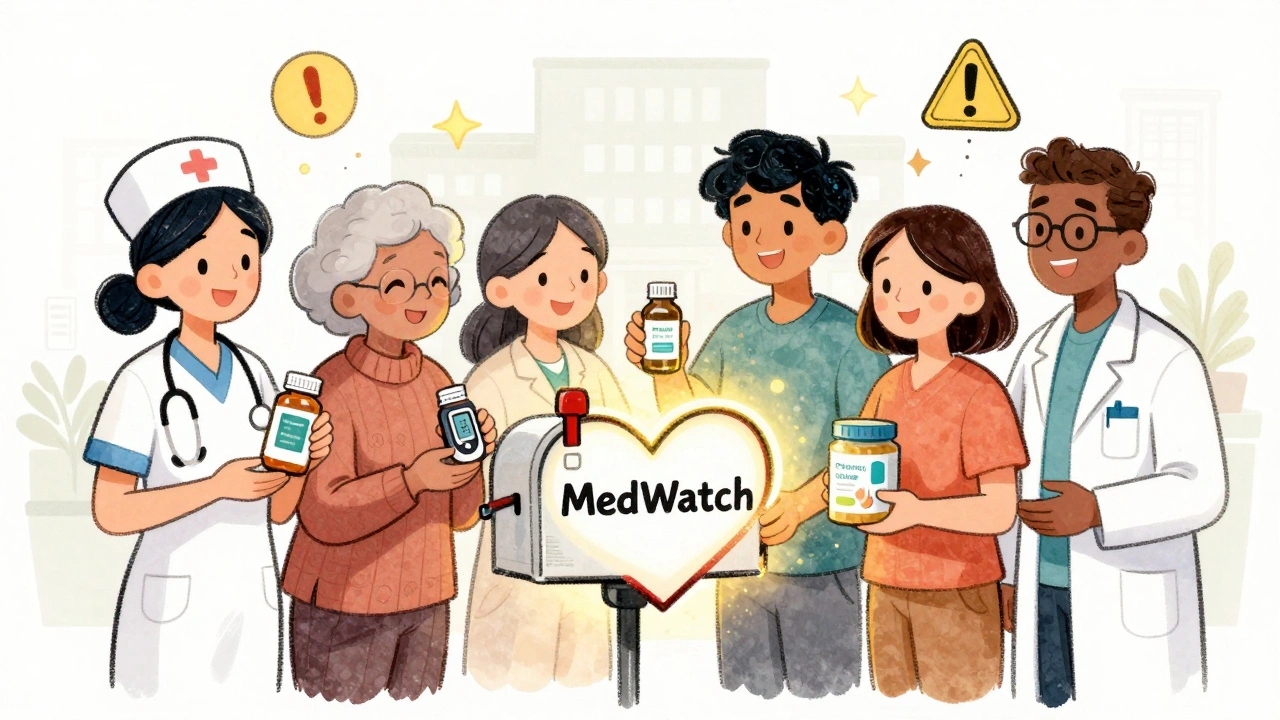
MedWatch: How to Report Medication Side Effects and Safety Issues
- Laura Ledas
- Dec, 1 2025
Learn how to report medication side effects and safety issues through MedWatch, the FDA's official system for tracking adverse events. Find out who can report, what to include, and why your report matters.
Learn More