Dry Eye Relief: What Works, What Doesn’t, and How to Avoid Common Mistakes
When your eyes feel like they’re full of sand, blinking hurts, and screens make everything worse, you’re not just tired—you likely have dry eye syndrome, a common condition where your eyes don’t produce enough tears or the tears evaporate too fast. Also known as ocular surface disease, it affects over 30 million people in the U.S. alone, and most of them are using the wrong treatments. This isn’t just about being uncomfortable. Left untreated, it can damage the cornea, blur vision, and make daily tasks like reading or driving a chore.
Most people reach for artificial tears, over-the-counter eye drops designed to mimic natural tears. But not all drops are equal. Some contain preservatives that irritate sensitive eyes, and others just wash away without fixing the real problem: a broken tear film, the three-layer coating that protects and lubricates the eye’s surface. If the oily layer is missing, tears evaporate in seconds—even if you’re dripping wet. That’s why cheap drops often give false hope. The real fix? It’s not always more drops. It’s understanding what’s causing the imbalance—whether it’s screen use, aging, medications like antihistamines, or even the air conditioning in your office.
What you’ll find in these posts isn’t guesswork or marketing fluff. These are real, evidence-based breakdowns of what’s actually happening in your eyes and what steps make a measurable difference. You’ll learn why some eye drops make dryness worse, how common drugs like antidepressants and blood pressure pills silently dry out your eyes, and why the latest ‘miracle’ serum might not be worth the price tag. You’ll also see how simple changes—like adjusting your screen height or using a humidifier—can cut symptoms by half. This isn’t about quick fixes. It’s about fixing the root cause so your eyes stop feeling like they’re on fire.
Below, you’ll find practical guides that cut through the noise. From how to pick the right artificial tears to understanding how your meds might be sabotaging your tear production, every article here is written for someone who’s tired of guessing and ready for real answers.
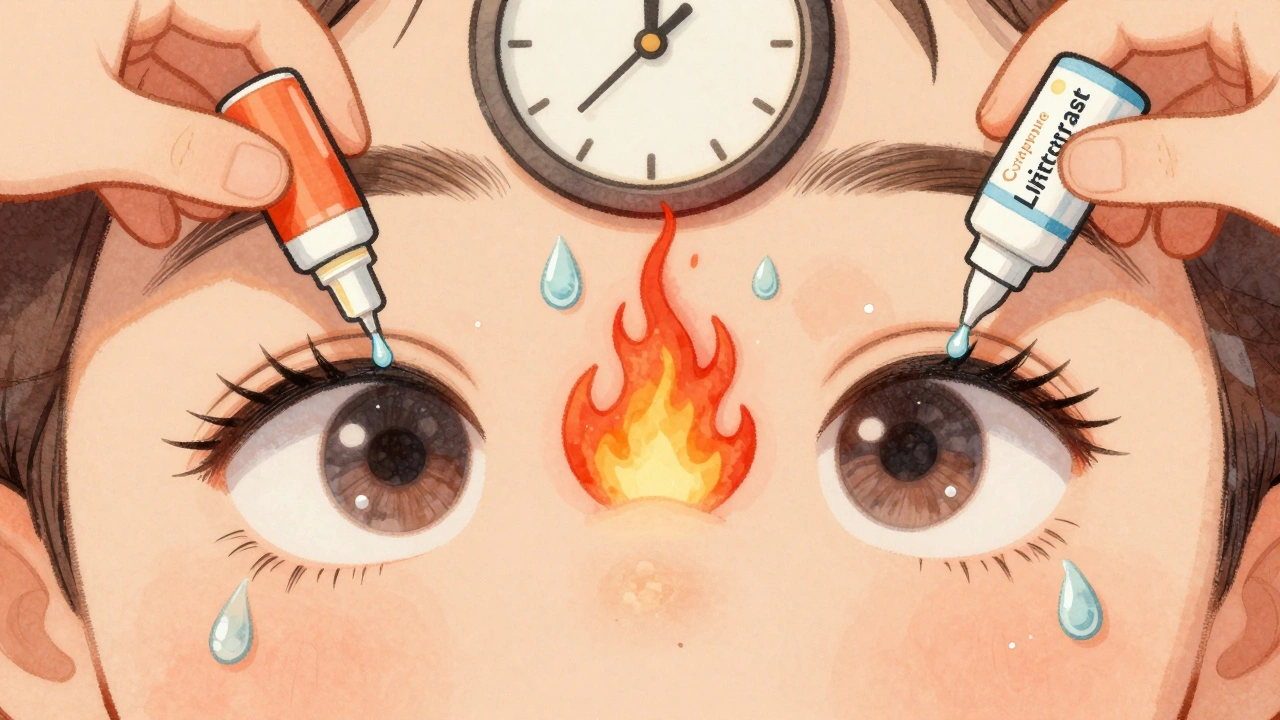
Dry Eye Treatments: Cyclosporine, Lifitegrast, and Plugs Explained
- Laura Ledas
- Dec, 2 2025
Learn how cyclosporine, lifitegrast, and punctal plugs treat dry eye differently-speed, effectiveness, side effects, and real-world results. Find out which option works best for your symptoms.
Learn More