Dose-Related Side Effects: How Medication Amounts Impact Your Body
When you take a pill, the amount you swallow isn’t just a number—it’s a trigger. dose-related side effects, harmful reactions that happen because the amount of drug in your system crosses a safety line. Also known as therapeutic window violations, these effects aren’t random—they’re predictable, measurable, and often preventable. Every medication has a sweet spot: enough to work, but not so much that it harms you. Go past that line, and you’re not getting better—you’re risking damage.
This isn’t just about overdoses. Sometimes, a dose that’s perfect for one person is too much for another. Age, weight, liver function, even what else you’re taking can shift that line. Take cyclosporine, an immune suppressant used after organ transplants. Too little, and your body rejects the new organ. Too much, and your kidneys start to fail. That’s why doctors monitor blood levels closely. Same goes for statins, cholesterol drugs that can cause muscle damage at higher doses. Or tramadol, an opioid painkiller that can trigger seizures if taken with certain antidepressants or in high amounts. These aren’t rare cases—they’re textbook examples of how dosage turns treatment into danger.
Generic drugs don’t change this rule. Even if two pills have the same active ingredient, differences in fillers or how fast they dissolve can change how much hits your bloodstream. That’s why some people get side effects from one brand but not another. And it’s why reporting strange symptoms to MedWatch matters—your experience helps others avoid the same trap.
What you’ll find below isn’t a list of scary stories. It’s a practical guide to spotting dose-related risks before they hit you. From how tetracycline makes your skin burn in the sun to why SGLT2 inhibitors raise yeast infection risk at higher doses, these posts show you exactly how medicine amounts connect to real-life outcomes. You’ll learn how to talk to your doctor about dosage, what lab tests to ask for, and when to push back if something feels off. No fluff. Just what you need to stay safe while taking what you need.
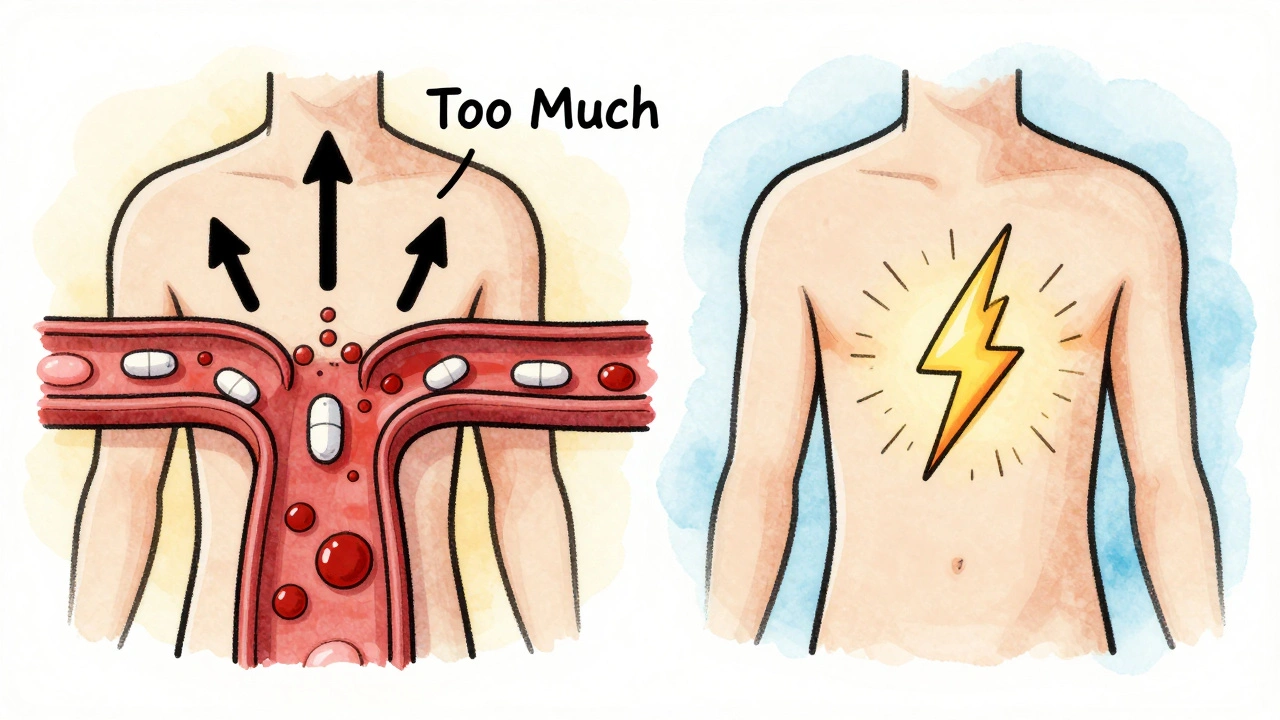
Dose-Related vs Non-Dose-Related Side Effects: What You Need to Know in Pharmacology
- Laura Ledas
- Dec, 1 2025
Learn the critical difference between dose-related and non-dose-related side effects in pharmacology. Understand why some reactions are predictable and others aren't - and what it means for your safety on medication.
Learn More