CGMP Violations: What They Are and Why They Matter for Your Medications
When you take a pill, you assume it’s safe, effective, and made the right way. But that’s only true if the company followed CGMP, Current Good Manufacturing Practices, the FDA’s rules for how drugs must be made, tested, and controlled. Also known as cGMP, these standards aren’t suggestions—they’re legal requirements. A CGMP violation means a manufacturer skipped steps, cut corners, or hid problems. That could mean your medicine has the wrong dose, is contaminated, or doesn’t work at all.
These violations aren’t rare. The FDA catches them during unannounced inspections of factories around the world. Common issues include dirty equipment, fake records, mixing batches without testing, or not fixing known problems. One plant might use unapproved ingredients. Another might fail to clean machines between batches, leading to cross-contamination. These aren’t theoretical risks—they’ve led to recalls of antibiotics, blood pressure meds, and even insulin. When a company ignores CGMP, it’s not just breaking rules—it’s putting lives at risk.
That’s why tools like MedWatch, the FDA’s system for reporting bad drug reactions and OpenFDA, a public database of drug safety reports matter. If you notice something off with your pill—strange color, side effects you’ve never seen before—reporting it helps the FDA find patterns. And when they find a pattern tied to a factory, they can shut it down. The same way cyclosporine, a drug that needs strict dosing control to avoid kidney damage requires careful monitoring, so do the factories that make it. Poor manufacturing can turn a safe drug into a danger.
You don’t need to be a scientist to spot trouble. If your generic pill looks different, or if you’ve had a new side effect after switching brands, it might not be your body—it could be the maker. That’s why posts here cover everything from inactive ingredient interactions to how to read drug labels. You’ll find real cases where bad manufacturing led to harm, and how to protect yourself. The goal isn’t to scare you—it’s to give you the facts so you know when to ask questions, when to report, and when to push back. What’s in your pill matters. And you have the right to know if it was made right.
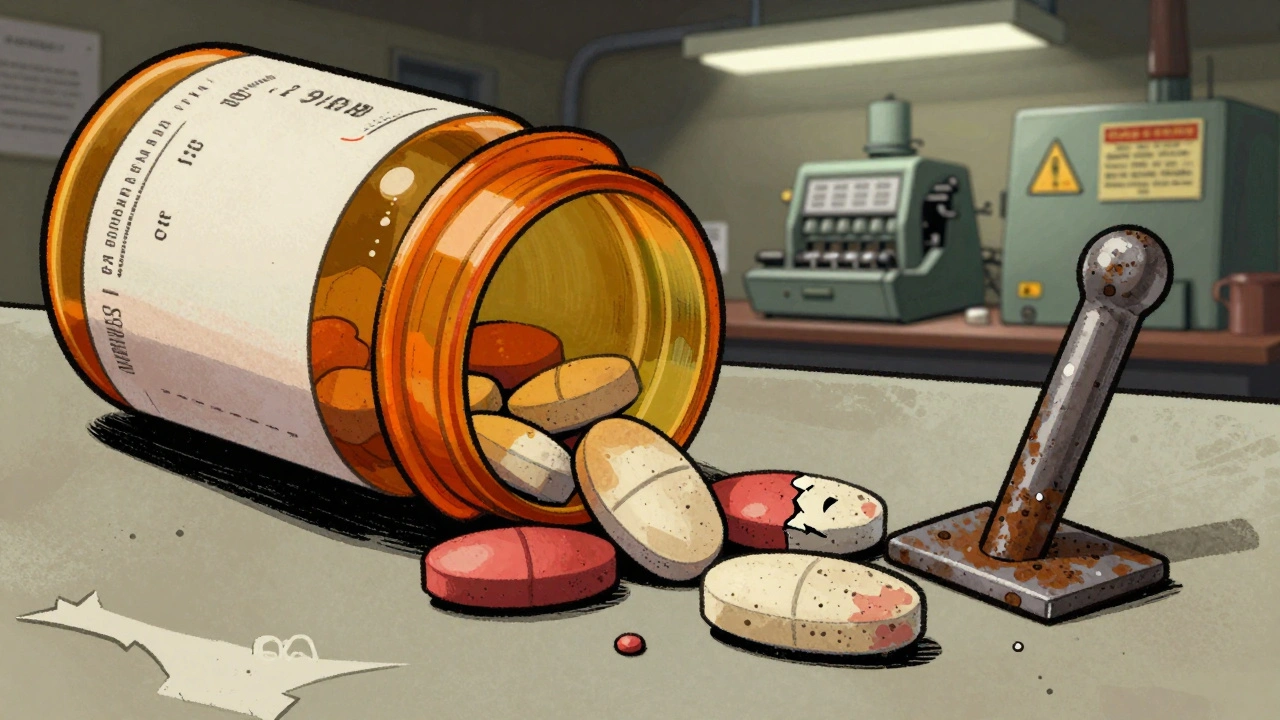
Common Manufacturing Defects in Generic Drugs and How They Affect Patient Safety
- Laura Ledas
- Dec, 1 2025
Generic drugs save money but carry hidden risks. Common manufacturing defects like capping, weight variation, and contamination can compromise safety. Learn what goes wrong, why it happens, and how to protect yourself.
Learn More