Yeast Infections: Causes, Treatments, and What You Need to Know
When you hear yeast infections, a type of fungal overgrowth caused mainly by Candida species that can affect skin, mouth, or genital areas. Also known as candidiasis, it’s one of the most common infections people experience—yet many don’t know why it happens or how to stop it for good. It’s not dirty. It’s not contagious in the way you think. And it’s not always from sex. A yeast infection happens when the natural balance of microbes in your body gets thrown off—too much sugar, too many antibiotics, or even stress can flip the script.
Most people think of vaginal yeast infections, a common form of candidiasis affecting the vulva and vagina, causing itching, burning, and thick white discharge—and yes, that’s the most frequent type. But oral thrush, a yeast overgrowth in the mouth that appears as white patches and can make eating painful is just as real, especially in people on steroids, with weakened immunity, or using inhalers. Even skin folds—under the breasts, in the groin, or between toes—can get yeast infections. It’s not just women. Men get it. Babies get it. Older adults with dentures get it. And it keeps coming back for a lot of people because they treat the symptom, not the cause.
Antibiotics are the biggest trigger. Every time you take them, you wipe out good bacteria that normally keep yeast in check. Birth control pills, diabetes, tight clothes, and even synthetic underwear can pile on the risk. And here’s the thing: over-the-counter creams help—but they don’t fix the imbalance. If it keeps coming back, you need to look at your diet, your gut health, and how your body handles sugar. It’s not magic. It’s biology.
The posts below cover what actually works—not myths, not marketing. You’ll find clear breakdowns of antifungal treatments, how to tell if it’s yeast or something else, why some remedies fail, and how to prevent repeat infections without spending a fortune. Some people think it’s just a nuisance. But when it won’t go away, it becomes a real disruption. These articles give you the facts so you can take back control.
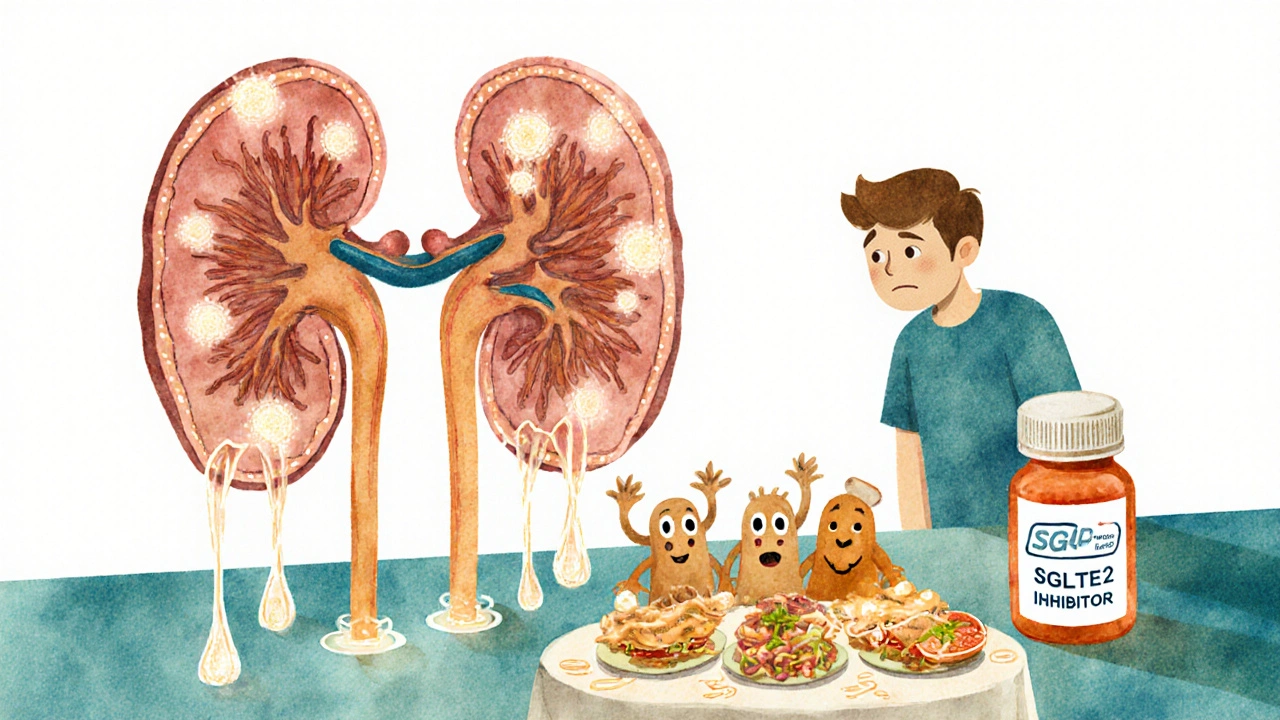
SGLT2 Inhibitors and Yeast Infections: What You Need to Know About Urinary Complications
- Laura Ledas
- Nov, 26 2025
SGLT2 inhibitors help lower blood sugar and protect the heart, but they increase the risk of yeast infections and serious urinary tract complications. Learn who’s most at risk and how to stay safe.
Learn More