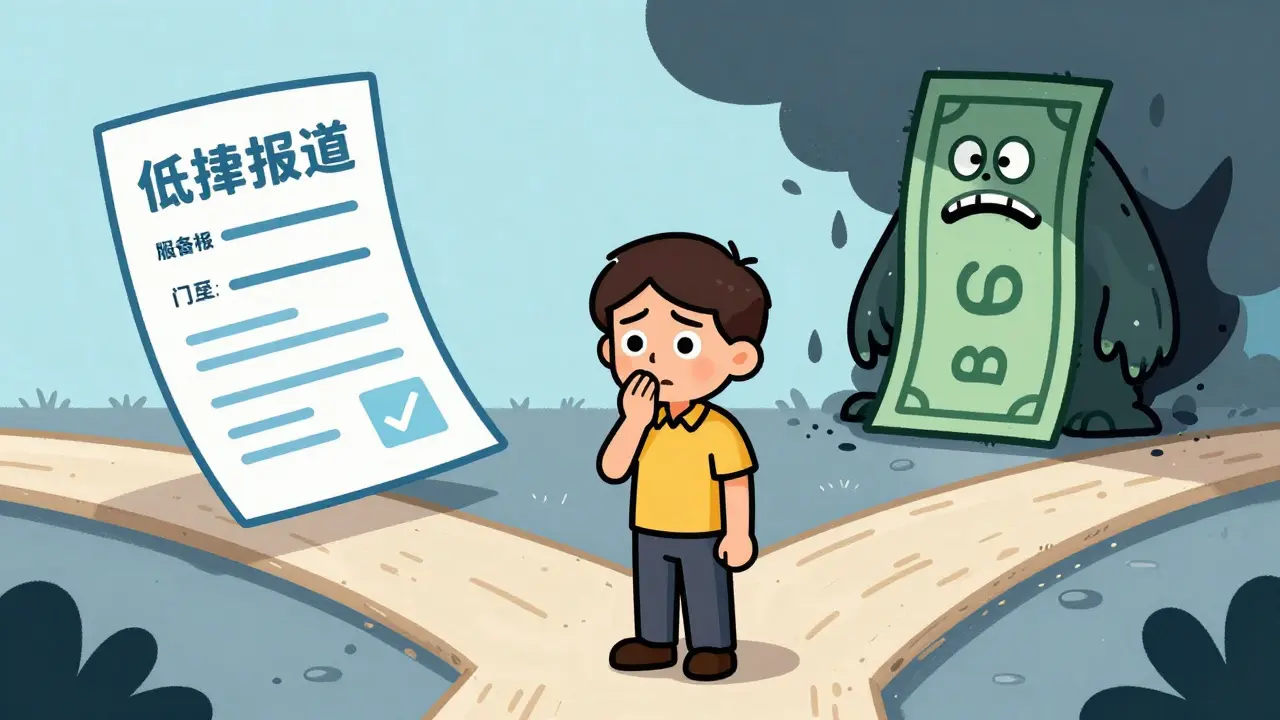
You’ve found a cheaper health plan. The monthly premium is lower, the deductible looks manageable, and you’re ready to switch. But before you click that final button, there’s one detail that could cost you hundreds-or even thousands-of dollars out of pocket: how your new plan handles generic drug coverage.
It’s easy to overlook. After all, generics are supposed to be cheap. They’re the budget-friendly alternatives to brand-name medications, right? Wrong. In the world of health insurance, "generic" doesn’t always mean "low cost." Depending on the plan’s formulary structure, a generic pill can sit in Tier 1 with a $5 copay or get bumped to Tier 2 with a 20% coinsurance. That difference isn’t just semantic; it’s financial.
If you take regular medications, understanding these nuances is non-negotiable. Let’s break down exactly what to look for when evaluating generic drug coverage so you don’t end up paying more for less.
Understanding the Formulary: It’s Not Just One List
Every health plan has a formulary-a list of covered drugs. But not all formularies are created equal. Most modern plans use a tiered system, grouping medications by cost and preferred status. For generics, this usually means two things:
- Tier 1 (Preferred Generics): These are the cheapest options. You’ll typically pay a flat copay, often between $3 and $20, regardless of whether you’ve met your deductible.
- Tier 2 (Non-Preferred Generics): These are still generic versions of drugs, but the insurer prefers other manufacturers or formulations. Here, you might face higher copays or coinsurance, and you may need to meet your deductible first.
Why does this matter? Because two different brands of the same generic drug-say, Metformin from Manufacturer A versus Manufacturer B-can fall into different tiers. If your pharmacy stocks the Tier 2 version by default, your costs jump without you realizing why.
According to data from the Kaiser Family Foundation (KFF), standardized marketplace plans in the U.S. universally implement 4-tier formularies where Tier 1 is reserved exclusively for generics. However, private employer-sponsored plans and Medicare Advantage plans vary wildly. Some split generics into multiple sub-tiers based on therapeutic equivalence or manufacturer contracts. Always check which specific generic formulation your doctor prescribes and verify its tier status.
The Deduction Trap: When "Low Premium" Means High Out-of-Pocket Costs
Here’s where many people get burned. You see a plan with a low monthly premium and assume it’s a bargain. But if that plan has an integrated medical and prescription deductible, you won’t get any coverage for your generics until you spend thousands of dollars out of pocket first.
Consider this scenario: Plan A has a $100 monthly premium but requires you to meet a $1,500 deductible before covering prescriptions. Plan B costs $150 a month but waives the deductible for Tier 1 generics, offering a fixed $20 copay per fill. If you take three generic medications monthly, Plan B saves you money immediately. Plan A forces you to pay full price for every script until you hit that $1,500 mark.
This is especially critical for High-Deductible Health Plans (HDHPs). While HDHPs offer tax advantages through Health Savings Accounts (HSAs), they can be disastrous for patients who need daily maintenance meds. Fortunately, some Silver-level Standardized Plan Designs (SPDs) in the marketplace waive deductibles for Tier 1 generics, providing a safety net that non-standardized plans lack.
| Plan Type | Deductible Waived for Generics? | Typical Copay Range | Best For |
|---|---|---|---|
| Silver SPD (Marketplace) | Yes | $10-$20 | Predictable low-cost generics |
| Standard PPO/HMO | No (usually) | $5-$30 | Those who rarely fill prescriptions |
| Medicare Advantage (MA-PD) | Varies | $0-$15 | Seniors with multiple chronic conditions |
| High-Deductible (HDHP) | Rarely | Full price until deductible met | Healthy individuals with minimal drug needs |

Geographic Variations: Where You Live Matters
Health insurance isn’t uniform across the country. State regulations significantly impact how generics are covered. For instance, New York mandates $0 copays for certain essential generics under state rules, while California imposes a separate outpatient drug deductible of $85 before coverage kicks in. Washington D.C. has implemented a $350 outpatient drug deductible with caps on specialty drugs.
If you’re moving states or choosing between national providers, check local mandates. In some regions, insurers must cover specific life-saving generics at no extra cost. Ignoring these local protections means leaving free money on the table.
How to Verify Your Specific Medication
Don’t rely on general advice. You need to verify your exact medication. Here’s a four-step process recommended by the Medicare Rights Center and adapted for commercial plans:
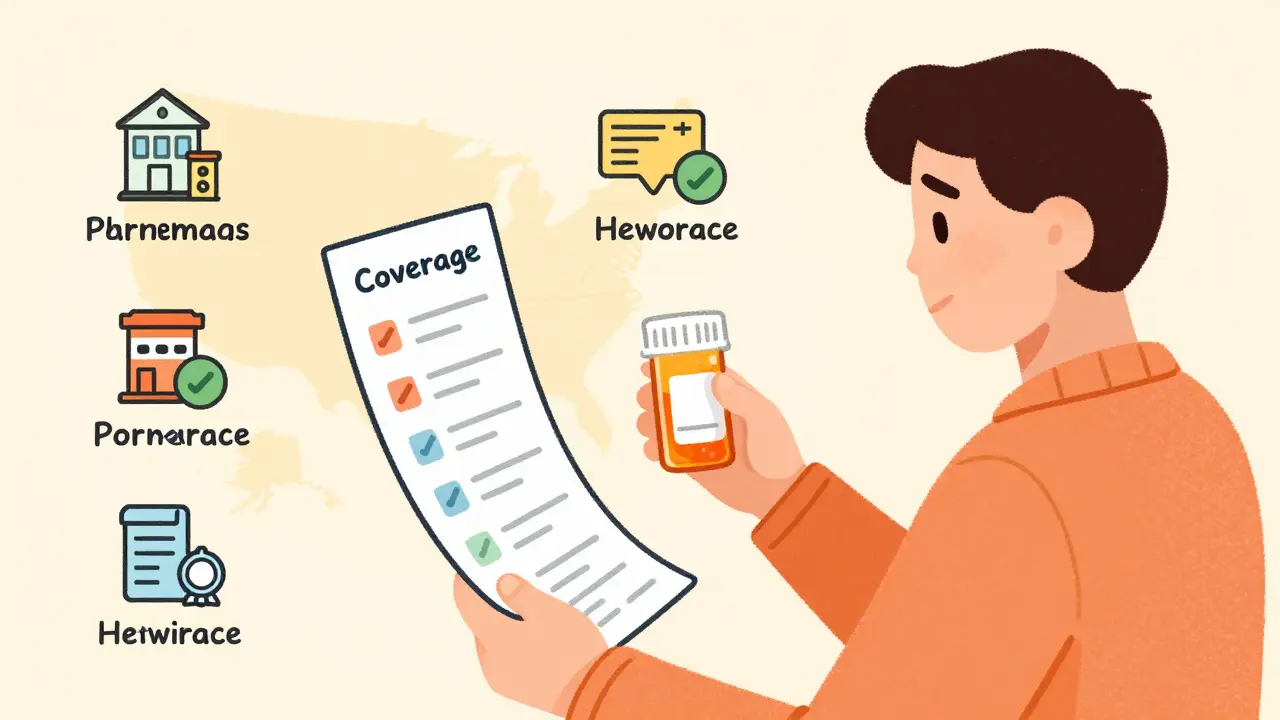
- Get the Full Formulary: Don’t just look at the summary sheet. Download the complete PDF list from the insurer’s website.
- Check Name AND Manufacturer: Search for your drug by both brand name and generic name. Note the manufacturer listed next to it. If your pharmacy uses a different manufacturer, confirm if that version is also Tier 1.
- Cross-Reference Pharmacy Networks: A generic might be Tier 1 at CVS but Tier 2 at Walgreens due to network contracts. Check if your preferred pharmacy is in the plan’s preferred network.
- Calculate Total Annual Cost: Multiply your monthly copay by 12. Add any potential deductible costs. Compare this total against the premium savings of the new plan.
Tools like Healthcare.gov’s plan selector or Medicare’s Plan Finder allow you to input specific medications and see estimated annual costs. Using these tools reduces prescription-related complaints by over 37%, according to CMS data. Spend the 20 minutes now to save hundreds later.
Red Flags to Watch For During Open Enrollment
When reviewing new plans, keep an eye out for these common pitfalls:
- Formulary Changes: Insurers update their formularies annually. A drug that was Tier 1 last year might move to Tier 2. Check the "Notice of Change" document included in plan materials.
- Mail-Order vs. Retail Differences: Some plans offer lower copays for 90-day supplies via mail-order pharmacies. If you prefer picking up meds locally, ensure the retail copay is still affordable.
- Step Therapy Requirements: Even for generics, some plans require you to try a cheaper alternative first. If your current generic is effective, ask if step therapy applies.
- Specialty Generic Confusion: Certain complex generics (like injectables or biologics) may be classified as specialty drugs, placing them in Tier 4 or 5 with high coinsurance. Ensure your medication isn’t misclassified.
User feedback from healthcare forums highlights that 63% of unexpected costs after switching plans involve generics moving from Tier 1 to Tier 2 due to manufacturer changes. Being proactive prevents this shock.
Future Trends: What’s Coming in 2026 and Beyond
The landscape of generic drug coverage is evolving. With the implementation of the Inflation Reduction Act, insulin copays are capped at $35 monthly for Medicare beneficiaries, and out-of-pocket maximums are being restructured. For commercial plans, we’re seeing increased transparency requirements. States like California are pushing for $0 insulin copays, setting a precedent that may spread to other essential generics.
Additionally, AI-powered comparison tools are becoming more sophisticated. Platforms like CMS-endorsed "Medicare Plan Scout" help users simulate costs based on real-time formulary data. As these tools become standard, expect fewer enrollment errors and better-informed decisions.
However, beware of increasing tier fragmentation. Analysts predict that by 2026, some plans may split generics into three or four tiers based on therapeutic equivalence ratings. This means "generic" will become even more nuanced, requiring deeper scrutiny during plan selection.
Does every health plan cover generic drugs?
Most comprehensive health plans cover generic drugs, but the extent of coverage varies. Under the Affordable Care Act, marketplace plans must include prescription drug benefits. However, high-deductible plans may require you to meet a deductible before coverage begins, effectively making you pay full price initially. Always check the formulary to confirm your specific generic is covered.
What is the difference between Tier 1 and Tier 2 generics?
Tier 1 generics are "preferred" by the insurer, usually resulting in the lowest copay (often $3-$20) and sometimes waived deductibles. Tier 2 generics are non-preferred, meaning they may have higher copays, require coinsurance, or only kick in after you meet your deductible. The active ingredient is the same, but the manufacturer or formulation differs.
How do I find out if my pharmacy is in-network?
Use the insurer’s online pharmacy locator tool. Enter your zip code and filter by "preferred" or "in-network" pharmacies. Calling your pharmacist directly is also helpful; they can tell you if they accept the plan’s network and what your expected copay would be.
Can my doctor override a formulary tier restriction?
In some cases, yes. Doctors can submit a "prior authorization" or "exception request" if they believe a specific generic or brand is medically necessary. However, this process takes time and isn’t guaranteed approval. It’s easier to choose a plan that already covers your medication in a favorable tier.
Are mail-order prescriptions always cheaper for generics?
Often, but not always. Many plans offer reduced copays for 90-day supplies sent via mail-order. However, some plans have eliminated this discount for simple generics to encourage retail usage. Check your plan’s specific mail-order policy to see if it offers genuine savings for your medications.