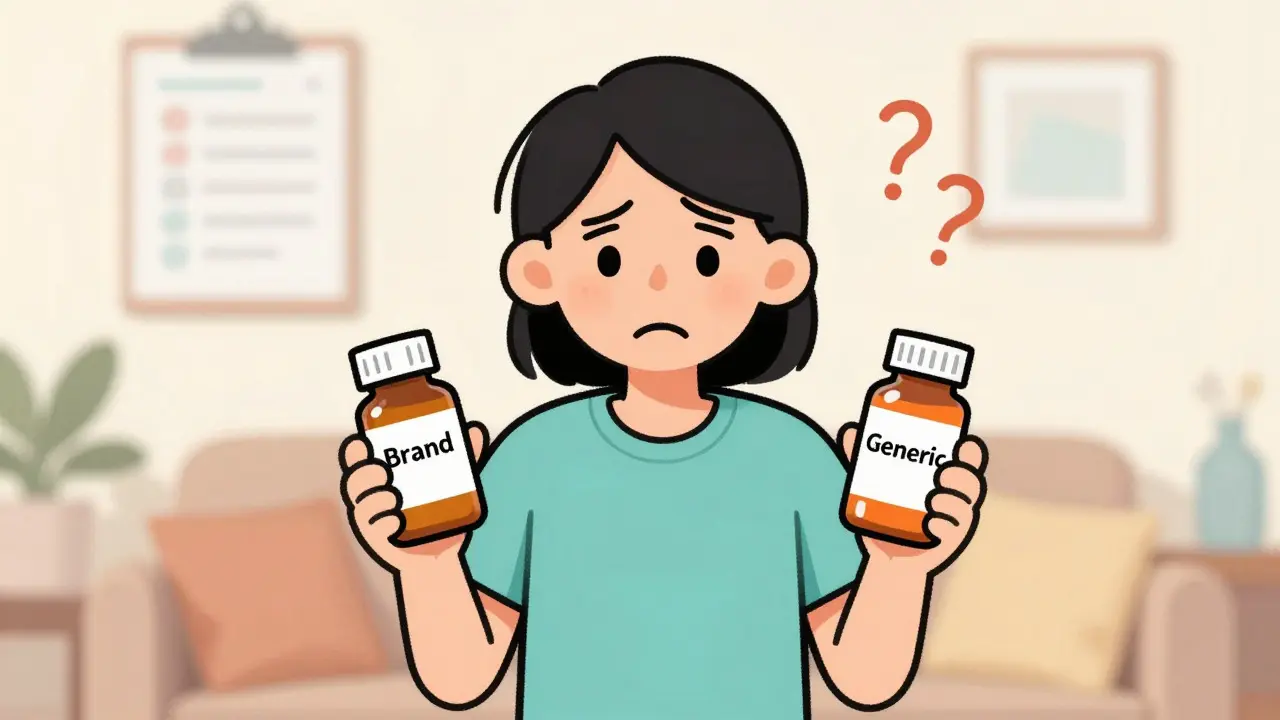
Imagine a patient who has been stable on a complex cancer therapy for two years. Their insurance suddenly switches them to a lower-cost alternative. The active ingredient is identical, but the pill looks different, or perhaps it’s now an injection from a new manufacturer. For many patients with chronic conditions like multiple sclerosis, HIV, or rheumatoid arthritis, this isn’t just an inconvenience-it can be a medical crisis. This is the reality of integrating generic substitution into specialty pharmacy practice.
Specialty pharmacy operates in a high-stakes environment where medications are expensive, complex, and often require strict handling. As patents expire on blockbuster drugs, the influx of generics and biosimilars is changing how pharmacists manage care. But you can’t treat these substitutions like swapping ibuprofen brands at a local drugstore. The stakes are higher, the margins are thinner, and the patient impact is profound.
The Distinct World of Specialty Pharmacy
To understand the challenge, we first need to define what makes specialty pharmacy unique. Unlike community pharmacies that dispense millions of routine prescriptions, specialty pharmacies focus on a small percentage of drugs-often less than 2% of total prescriptions-that account for nearly half of all pharmaceutical spending. These medications treat serious, chronic conditions such as cancer, hepatitis C, and autoimmune disorders.
Specialty Pharmaceuticals are high-cost, complex medications that often require special handling, administration techniques, and intensive patient monitoring due to their narrow therapeutic index or biological nature. They typically cost thousands of dollars per month and may need refrigeration between 2-8°C, intravenous infusion, or subcutaneous injection.
The core value of a specialty pharmacy isn’t just dispensing; it’s coordination. Pharmacists here act as case managers, navigating prior authorizations, tracking adverse effects, and ensuring adherence. When you introduce generics into this model, you disrupt a carefully managed ecosystem. A change in medication appearance or manufacturer can confuse patients who rely on visual cues to administer self-injections correctly. It can also trigger anxiety about efficacy, potentially leading to non-adherence-a major risk factor for treatment failure in chronic diseases.
Generics vs. Biosimilars: Know the Difference
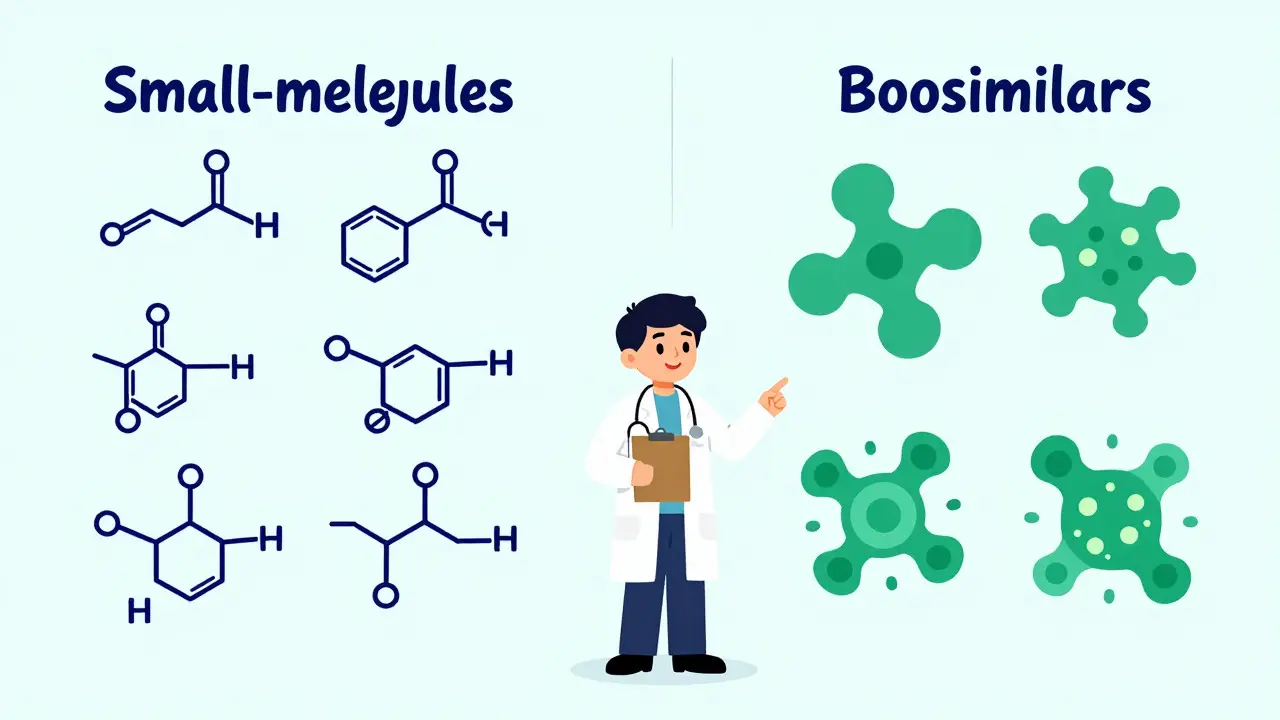
In specialty pharmacy, "generic" doesn't always mean what it means in retail. We have to distinguish between small-molecule generics and biosimilars.
Traditional generics are chemically identical copies of brand-name drugs. The FDA requires them to demonstrate bioequivalence, meaning they deliver the same amount of active ingredient into the bloodstream within the same timeframe. For most common conditions, switching manufacturers poses little risk. However, for Narrow Therapeutic Index (NTI) drugs-like levothyroxine for thyroid issues or certain anti-seizure medications-even tiny variations in absorption can lead to toxicity or treatment failure.
Biosimilars are more complex. Because biologics are large molecules produced in living cells, they cannot be exact copies. Instead, they are "highly similar" to the reference product with no clinically meaningful differences in safety, purity, and potency. The regulatory pathway for biosimilars, established by the Biologics Price Competition and Innovation Act (BPCIA) of 2009, allows for abbreviated approval but requires extensive clinical data. As of late 2023, the FDA had approved over 35 biosimilars, yet adoption remains slower than expected due to patent litigation and reimbursement hurdles.
| Feature | Small-Molecule Generic | Biosimilar |
|---|---|---|
| Manufacturing Process | Chemical synthesis | Living cell systems |
| Identity to Reference | Identical active ingredient | Highly similar, not identical |
| Substitution Rules | State laws vary; often automatic | Requires "interchangeable" designation in some states |
| Patient Counseling Needs | Low (appearance changes only) | High (immunogenicity risks, injection technique) |
The PBM Pressure Cooker
One of the biggest headaches for specialty pharmacists today comes from Pharmacy Benefit Managers (PBMs). PBMs negotiate rebates and set formularies, but their metrics often clash with clinical best practices. Many PBMs measure performance using the Generic Dispensing Ratio (GDR), penalizing pharmacies that don’t meet high substitution targets.
Here’s the problem: specialty pharmacies naturally have low GDRs because most specialty drugs don’t have generic alternatives yet. Yet, PBMs sometimes apply the same GDR penalties to specialty pharmacies as they do to retail chains. This creates a perverse incentive where pharmacists might feel pressured to substitute a generic even when clinical evidence suggests staying on the originator brand is safer for a specific patient.
Furthermore, reimbursement rates are notoriously opaque. Some PBMs reimburse below acquisition cost, forcing specialty pharmacies to absorb losses while managing complex patient services. When a generic version of a drug like Copaxone (glatiramer acetate) launches, it can slash annual costs from $78,000 to $45,000. That’s a massive saving for payers, but if the PBM rebate structure doesn’t pass those savings back to the pharmacy or patient, the operational burden increases without financial relief.
Clinical Risks and Patient Trust
Let’s talk about the human side. Patients on specialty therapies are often vulnerable. They’ve spent years finding a regimen that works. Switching them to a generic or biosimilar can feel like losing control.
Research published in the *Journal of Managed Care & Pharmacy* highlights that quality variations between generic manufacturers exist. While the FDA mandates rigorous standards, real-world reports suggest that not all generics perform identically in every patient. For NTI drugs, clinicians often recommend against switching once a patient is stabilized. Yet, formulary changes force switches anyway.
Consider levothyroxine. Multiple Reddit discussions among patients reveal stories of fatigue, weight gain, and mood swings after being switched between generic manufacturers. Pharmacists reassure them of bioequivalence, but the patient’s body disagrees. In specialty pharmacy, where adherence rates for conditions like multiple sclerosis hover around 60%, any disruption can push a patient off therapy entirely.
Then there’s the issue of excipients. Generics must contain the same active ingredient, but inactive ingredients-fillers, dyes, preservatives-can differ. A patient allergic to a specific dye in the brand name might react to one generic but not another. Tracking these sensitivities across multiple manufacturers requires robust documentation systems that many clinics lack.
Building a Robust Substitution Protocol
So, how do you handle this? You need a structured approach. Here’s a practical framework for integrating generics into specialty practice:
- Start with Evidence-Based Guidelines: Align your preferred generics with clinical guidelines. Don’t let the PBM dictate choices alone. Identify which drugs have strong data supporting generic use and which require caution.
- Standardize Inventory: Reduce complexity by limiting the number of generic manufacturers you stock. Working with a dedicated distributor helps ensure supply continuity and reduces administrative chaos.
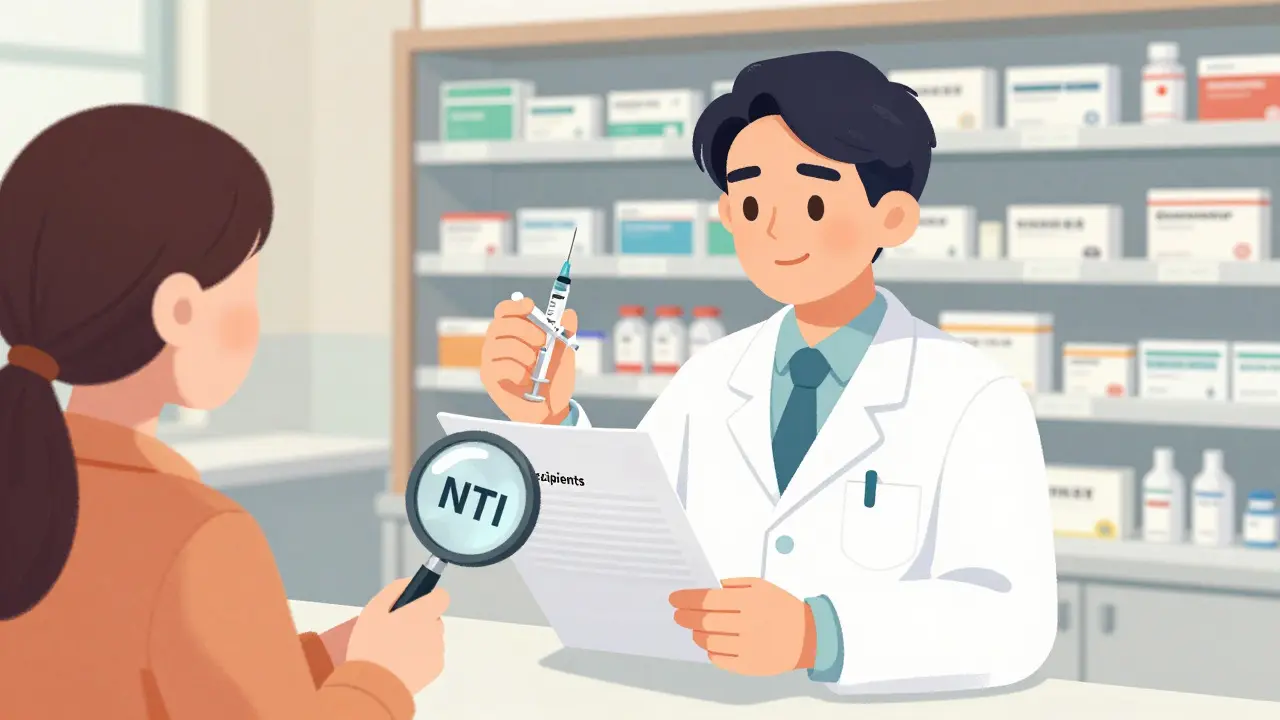
- Document Contraindications: Create a clear system for flagging patients who should NOT be switched. This includes NTI drugs, patients with excipient allergies, or those who have previously failed on a generic.
- Enhance Patient Counseling: Prepare scripts for explaining changes. Acknowledge the patient’s concern. Explain why the switch is happening (cost, access) and what to watch for. Provide written materials comparing the old and new medication appearances.
- Monitor Post-Switch: Implement follow-up protocols. For NTI drugs, schedule serum concentration checks. For biologics, monitor for new adverse events or loss of efficacy. Early detection prevents hospitalizations.
The Future: Biosimilars and Beyond
The landscape is shifting rapidly. With Humira (adalimumab) biosimilars launching in the U.S. in 2023, we’re entering a new era. The Congressional Budget Office estimates biosimilars could save the healthcare system $54 billion over the next decade. But success depends on education and trust.
Pharmacists are the bridge. You need to educate providers and patients about the safety profile of biosimilars. Address myths head-on. Show data. And advocate for fair reimbursement models that reward the extra work involved in managing these complex transitions.
As more patents expire, the line between traditional and specialty pharmacy will blur. Your role will evolve from dispenser to strategic partner in cost containment and clinical outcomes. By mastering the nuances of generic and biosimilar substitution, you protect your patients’ health and your practice’s viability.
What is the difference between a generic and a biosimilar?
A generic drug is a chemical copy of a brand-name small-molecule drug with identical active ingredients. A biosimilar is a biologic product that is highly similar to an already approved reference biologic, with no clinically meaningful differences in safety, purity, or potency. Because biologics are made from living cells, they cannot be exact copies, making biosimilars more complex to evaluate and substitute.
Why are generics risky for Narrow Therapeutic Index (NTI) drugs?
NTI drugs have a very small window between effective dose and toxic dose. Even minor variations in absorption or blood concentration caused by different generic manufacturers can lead to treatment failure or adverse effects. Therefore, switching between generic sources or from brand to generic is often discouraged once a patient is stabilized.
How do PBMs affect generic substitution in specialty pharmacy?
PBMs often penalize pharmacies for low Generic Dispensing Ratios (GDR), even though specialty pharmacies naturally dispense fewer generics due to the nature of their drugs. This pressure can force clinically inappropriate substitutions. Additionally, opaque rebate structures may prevent savings from reaching patients or pharmacies, complicating the financial viability of generic integration.
What steps should pharmacists take before substituting a specialty generic?
Pharmacists should review clinical guidelines, check for patient-specific contraindications like excipient allergies, document the decision clearly, counsel the patient on potential changes in appearance or side effects, and establish a plan for post-substitution monitoring, especially for NTI drugs or biologics.
Are biosimilars safe and effective?
Yes, biosimilars undergo rigorous FDA testing to ensure they are highly similar to the reference product with no clinically meaningful differences. Real-world data supports their safety and efficacy. However, patient education is crucial to address concerns and ensure proper administration, particularly for injectable biologics.