Surviving a heart attack is a critical medical event that requires comprehensive lifestyle changes to prevent recurrence. It is a moment of profound relief mixed with anxiety. You have survived the immediate crisis, but now you face a new reality. The question shifts from "Will I make it?" to "How do I live well now?" The answer lies in a structured approach combining medication, diet, and activity.
The recovery process is not a sprint; it is a marathon. According to the National Health Service (NHS), recovering from a heart attack typically takes several months. They explicitly state that it is very important not to rush your rehabilitation. The Cleveland Clinic specifies a more precise timeline of anywhere from two weeks to three months for initial physical recovery. This period involves coordinated care from cardiologists, nurses, physiotherapists, dietitians, and pharmacists.
Key Takeaways
- Medication Adherence: Taking prescribed medications consistently is non-negotiable for preventing future cardiac events.
- Dietary Shifts: Adopting a heart-healthy diet rich in fiber and low in saturated fats is crucial for long-term vascular health.
- Gradual Activity: Cardiac rehabilitation provides a safe, supervised environment to rebuild physical fitness without overexertion.
- Mental Health: Psychological support is a standard component of recovery to address anxiety and depression.
- Follow-Up Care: Regular appointments with healthcare providers ensure progress is monitored and adjustments are made.
Understanding Your Medication Regimen
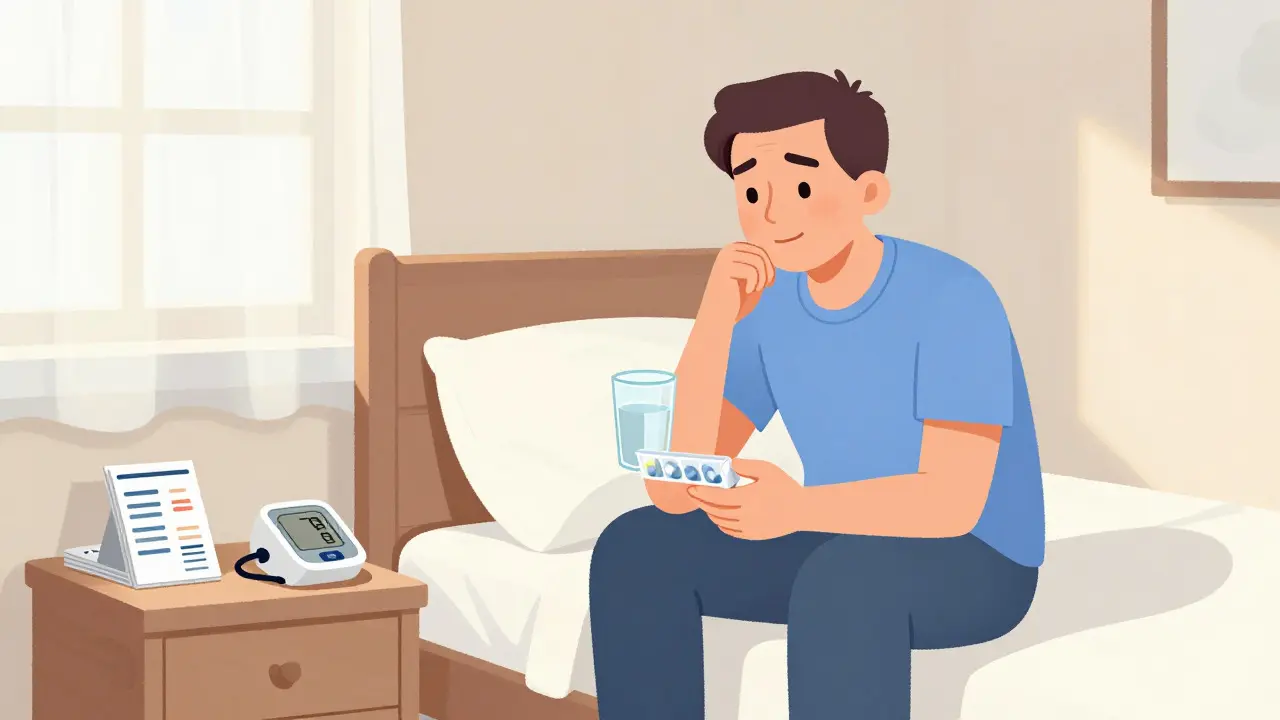
Medication management constitutes a critical component of post-heart attack care. Your healthcare team will start you on new medicines immediately following the cardiac event. The Heart Foundation Australia states that keeping these medicines once you leave hospital is vital. They help keep you feeling well and reduce the risk of another heart attack.
Common medications include beta-blockers, ACE inhibitors, statins, and antiplatelet agents. Each serves a specific purpose. Beta-blockers slow your heart rate and lower blood pressure, reducing the workload on your heart. Statins lower cholesterol levels, stabilizing plaque in your arteries. Antiplatelet agents prevent blood clots from forming. Understanding what each drug does helps you adhere to the regimen.
| Medication Class | Primary Function | Common Side Effects |
|---|---|---|
| Beta-Blockers | Lowers heart rate and blood pressure | Fatigue, cold hands/feet |
| Statins | Reduces LDL cholesterol | Muscle pain, digestive issues |
| ACE Inhibitors | Relaxes blood vessels | Dry cough, dizziness |
| Antiplatelets | Prevents blood clots | Easy bruising, bleeding |
The NHS recommends creating a medications list that you carry with you at all times, including dosage information. Pharmacists serve as integral members of the cardiac rehabilitation team, providing education and management support. If you experience side effects, consult your doctor or pharmacist before stopping any medication. The Cleveland Clinic emphasizes understanding which heart medicines you are taking and what they are for.
Building a Heart-Healthy Diet
Dietary modifications represent a cornerstone of long-term cardiac recovery. The Cleveland Clinic identifies following a heart-healthy diet as one of the essential lifestyle changes that can lower your risk of a future heart attack. Cardiac rehabilitation programs incorporate dietary education led by registered dietitians who develop personalized nutrition plans.
Focus on whole foods. Increase your intake of fruits, vegetables, whole grains, and lean proteins. Reduce sodium intake to manage blood pressure. Limit saturated fats found in red meat and full-fat dairy products. Replace them with unsaturated fats from sources like olive oil, avocados, and nuts. Fiber plays a significant role in lowering cholesterol. Aim for at least 25-30 grams of fiber daily through oats, beans, lentils, and berries.
Hydration is also key. Drink plenty of water throughout the day. Limit alcohol consumption, as excessive drinking can raise blood pressure and interfere with medications. Be mindful of portion sizes. Overeating puts strain on your body. Eat smaller, more frequent meals if large meals cause discomfort. The Heart Foundation Australia notes that while some risk factors like age or family history can't be changed, patients have agency to modify dietary habits that contribute to cardiovascular health.

Progressing Activity Safely
Activity progression follows a carefully structured timeline. Once you return home, it is usually recommended that you rest and only do light activities, such as walking up and down the stairs a few times a day or taking a short walk. Gradually increase the amount of activity you do each day over several weeks. The rate of progression depends on the condition of your heart and your general health.
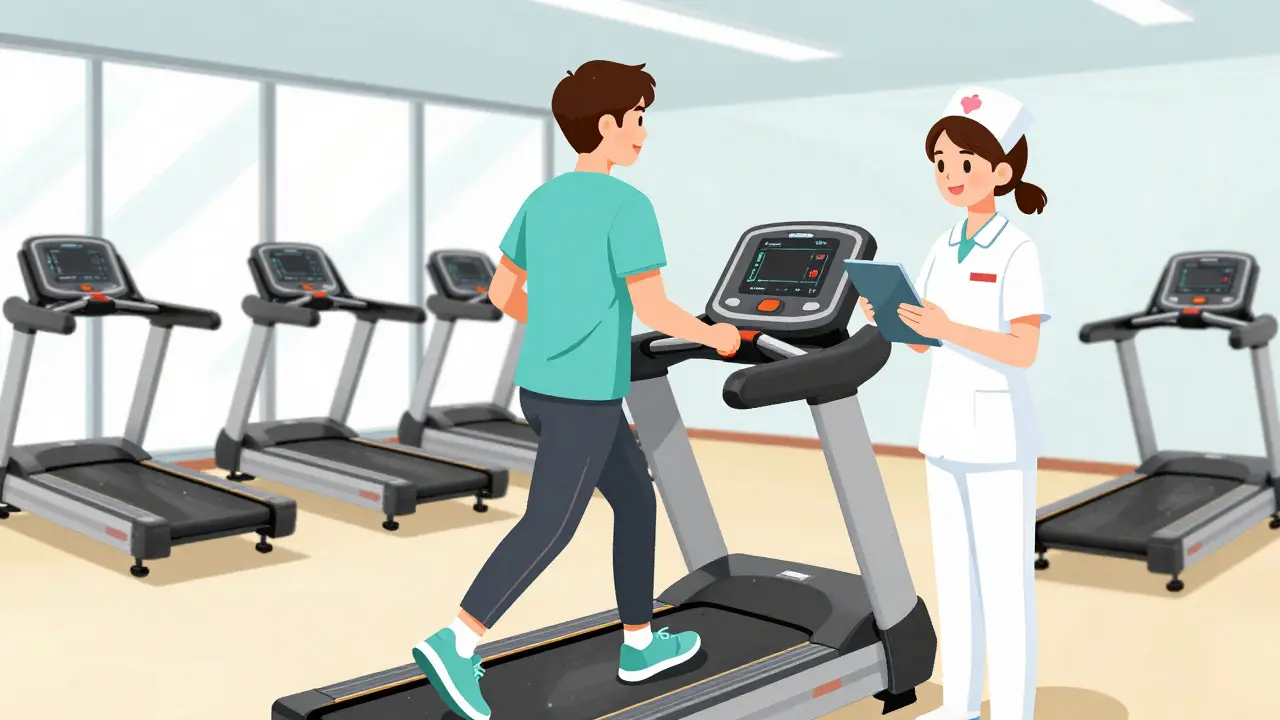
Cardiac rehabilitation offers a medically supervised setting for exercise. It provides an individualized plan for safe movement. Most exercises will be aerobic. These are designed to strengthen your heart, improve circulation, and lower blood pressure. Examples include riding an exercise bike, jogging on a treadmill, and swimming. Start with low-intensity activities and slowly build endurance.
Listen to your body. Fatigue during the initial recovery phase is normal. The Cleveland Clinic reports that the first week you return home from the hospital, you may feel tired or weak. This is because the heart attack damaged your heart muscle, and your heart needs time to recover. Do not push through severe pain or shortness of breath. Find balance between resting and being active. You need enough rest to heal, but you also need to get back to your normal activities as soon as it is safe to do so.
The Role of Cardiac Rehabilitation
Cardiac rehabilitation programs serve as the central framework integrating medication management, dietary guidance, and activity progression. The NHS defines cardiac rehabilitation as the process to gradually restore your physical fitness so you can resume normal activities. It is one of the two most important aims of the recovery process, alongside reducing future heart attack risk.
These programs include physical activities suitable for you, educational talks about managing your condition, relaxation techniques, and psychological support for anxiety and low mood. The NHS specifies that your cardiac rehab team will tailor the programme to suit your age, fitness level, and any other medical issues. Attending cardiac rehab can help you recover and get back to your normal activities sooner.
The American Heart Association's 2025 Guidelines emphasize the recovery and long-term functional outcomes of cardiac arrest survivors benefit from integrated systems that assess patients before discharge, reassess their needs after discharge, and address these needs on an ongoing basis during recovery. Cardiac rehab provides this continuity of care.
Monitoring Progress and Follow-Up Care
Follow-up care and monitoring represent essential components of the recovery continuum. You will have a follow-up appointment four to six weeks after you leave the hospital. Your provider will check the progress of your recovery. This is an opportunity to discuss any concerns, adjust medications, and review your lifestyle changes.
The Heart Foundation Australia identifies following up with your doctor as one of the critical next steps following a heart attack. The NHS notes that the recovery process usually happens in stages, starting in hospital, where your condition can be closely monitored, before transitioning to home-based recovery. Keep a journal of your symptoms, blood pressure readings, and medication adherence. Share this information with your healthcare provider.
Addressing Mental Health
Psychological support constitutes an often-overlooked but vital aspect of comprehensive cardiac recovery. The NHS specifically includes psychological support for anxiety and low mood as a standard component of cardiac rehabilitation programs. Surviving a heart attack can be traumatic. You may feel anxious about resuming normal activities or worried about having another event.
The Cleveland Clinic acknowledges that you may feel anxious about resuming normal activities after a heart attack. Discuss these concerns with your healthcare providers. The American Heart Association's 2025 Guidelines incorporate expanded recommendations regarding how to optimize survivorship for patients, caregivers, and rescuers, including psychological support strategies. Healthcare professionals will support you physically and mentally to ensure your recovery is conducted safely and appropriately.
Long-Term Risk Reduction Strategies
Long-term risk reduction strategies extend beyond the immediate recovery period. Adding more exercise to your day, following a heart-healthy diet, and quitting smoking are essential lifestyle changes that can lower your risk of a future heart attack. The Heart Foundation Australia emphasizes understanding personal risk factors. While some risk factors like age or family history can't be changed, patients can actively modify others through behavioral changes.
The American Heart Association's 2025 Guidelines recommend coronary angiography prior to discharge in adult survivors with suspected cardiac etiology, especially in the presence of an initial shockable rhythm, unexplained left ventricular systolic dysfunction, or evidence of severe myocardial ischemia. This addresses underlying cardiac issues early. The NHS identifies blood pressure management as critical, with aerobic exercises specifically designed to lower blood pressure as part of the cardiac rehabilitation process.
How long does it take to fully recover from a heart attack?
Recovery timelines vary significantly among individuals. The Cleveland Clinic suggests a range of two weeks to three months for initial physical recovery, while the NHS notes that the process typically takes several months. Full recovery involves not just physical healing but also adapting to new lifestyle habits. Consistent participation in cardiac rehabilitation and adherence to medical advice are key factors in determining the speed and quality of recovery.
Can I return to work after a heart attack?
Most people can return to work after a heart attack, but the timing depends on the severity of the attack and the nature of your job. Light-duty jobs may allow a return within a few weeks, while physically demanding roles might require several months. Consult your cardiologist and occupational health specialist to determine when it is safe to resume work duties. A gradual return-to-work plan is often recommended.
What are the warning signs of another heart attack?
Warning signs include chest pain or discomfort, shortness of breath, pain radiating to the arm, neck, jaw, or back, nausea, lightheadedness, and cold sweats. Women may experience additional symptoms such as unusual fatigue or indigestion-like sensations. If you experience these symptoms, seek emergency medical attention immediately. Do not wait to see if they go away.
Is sexual activity safe after a heart attack?
For most people, sexual activity is safe after a heart attack once they have recovered sufficiently. It typically requires similar energy expenditure to climbing two flights of stairs. If you can perform this level of physical activity without symptoms, sexual activity is likely safe. Discuss any concerns with your doctor, especially if you are taking medications that may affect sexual function.
How does stress affect heart recovery?
Chronic stress can negatively impact heart recovery by raising blood pressure and increasing heart rate. It can also lead to unhealthy coping mechanisms like poor diet or smoking. Cardiac rehabilitation programs often include stress management techniques such as relaxation exercises, mindfulness, and counseling. Managing stress is an integral part of maintaining long-term heart health.