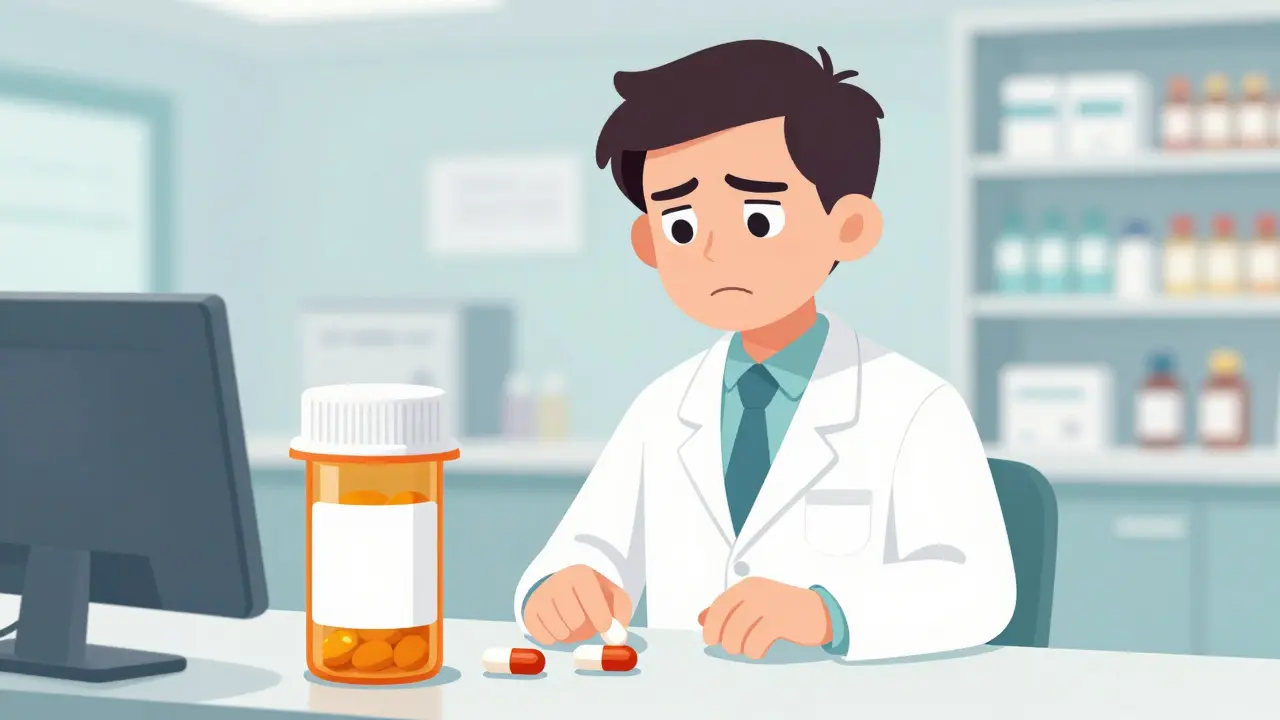
The reality is that counterfeiters are getting better. They aren't just mimicking packaging anymore; they are infiltrating legitimate supply chains. Because of this, relying on a "gut feeling" or a quick glance at a label isn't enough. Modern counterfeit drug detection requires a blend of regulatory knowledge, skepticism, and high-tech verification tools. Whether you are a student or a seasoned pharmacist, staying updated on these detection protocols is no longer optional-it is a core part of patient safety.
The Core of Modern Pharmacist Education
Training has shifted from simple visual checks to a comprehensive competency-based approach. A major turning point came with the Drug Supply Chain Security Act (or DSCSA), which pushed the U.S. toward a sophisticated electronic tracking system. This shifted the focus of education toward "track and trace" technology and national licensing standards for wholesalers.
On a global scale, the International Pharmaceutical Federation (FIP) and the World Health Organization (WHO) have stepped up. They developed a bilingual curriculum specifically to help pharmacists identify substandard and falsified (SF) medical products. This isn't just academic; it's been piloted in countries like Cameroon, Senegal, and Tanzania, proving that structured training significantly boosts a pharmacist's ability to spot fakes before they reach the patient.
Red Flags and Detection Protocols
You don't always need a laboratory to spot a fake, but you do need a healthy dose of skepticism. The Partnership for Safe Medicines highlights several practical "red flags" that every pharmacist should memorize. If a deal seems too good to be true, it probably is.
- Pricing Anomalies: Be extremely wary of medications offered at prices significantly below the wholesale acquisition cost. Criminals often use low prices to lure pharmacies into buying unverified stock.
- Distribution Channels: Specialty drugs usually move through very limited, authorized channels. If a high-cost biologic arrives from a distributor you've never heard of, stop the process immediately.
- Manufacturer Verification: Always cross-reference your distributors against the official authorized list on the manufacturer's website.
- Physical Discrepancies: Look for slight variations in ink quality, spelling errors on packaging, or tablets that crumble more easily than usual.
High-Tech Verification: Moving Beyond Paper
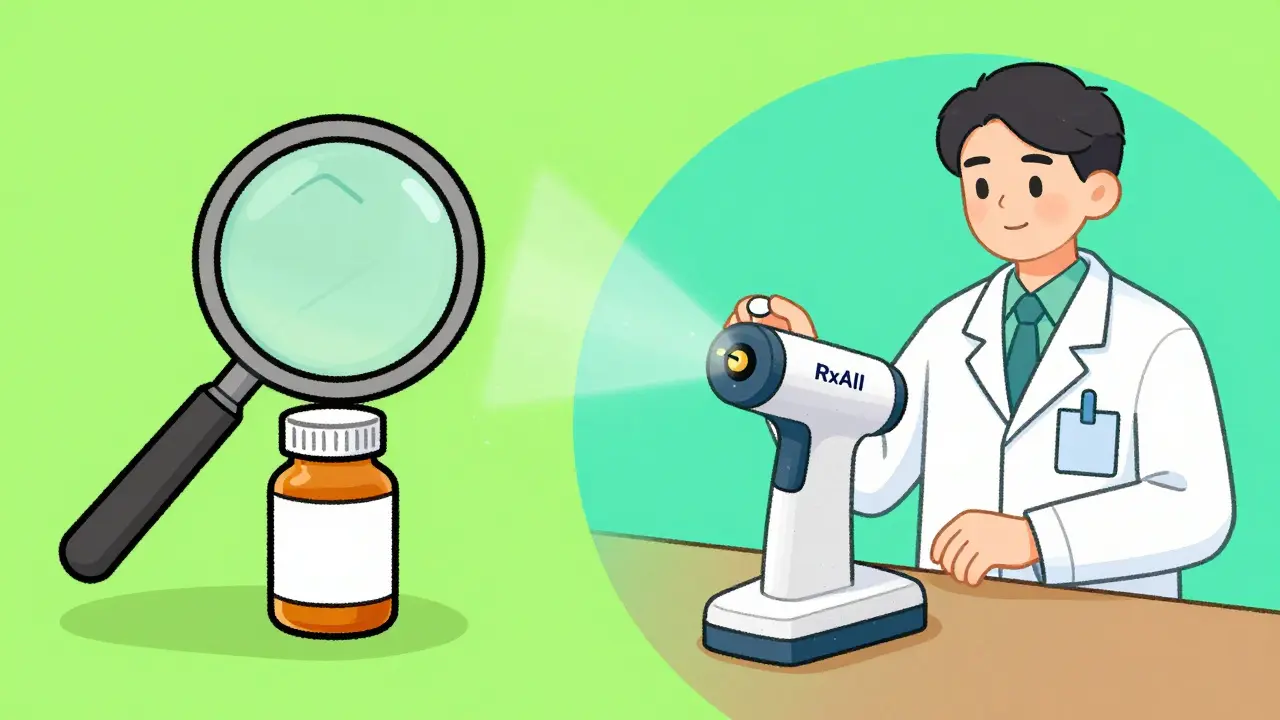
Gone are the days when verification meant making a few phone calls and checking a paper invoice. Technology is now the primary weapon against falsified medicines. One of the most advanced examples is RxAll, which provides handheld devices that use spectral analysis. Instead of guessing, these devices use AI-powered algorithms to analyze the chemical signature of a drug and compare it to a known genuine sample in seconds.
| Method/Program | Primary Focus | Best For | Verification Speed |
|---|---|---|---|
| FIP/WHO Curriculum | Academic & Competency | Foundational Knowledge | N/A (Educational) |
| RxAll Devices | Spectral Analysis & AI | Point-of-Care Verification | Seconds |
| DSCSA Framework | Electronic Tracking | Supply Chain Integrity | Real-time (Digital) |
| Medicare FWA Training | Regulatory Compliance | Fraud/Waste Prevention | N/A (Administrative) |
The Danger of Online Sales and Emerging Threats
The rise of illegal online pharmacies has created a massive blind spot in traditional training. The 2025 Operation Pangea XVI, led by Interpol, shut down roughly 13,000 illegal online platforms. This shows that the threat isn't just about a bad batch from a wholesaler; it's about patients buying "cheap" meds from a website and then bringing them into the pharmacy for consultation or compounding.
We are also seeing a shift in targets. While simple generics were once the main target, counterfeiters are now moving toward complex biologics and oncology products. These are high-value, high-demand drugs where a fake can be potentially lethal because the patient is already in a critical state. Training now includes how to spot fakes in these specialized therapeutic areas, focusing on the unique cold-chain requirements and packaging markers used for biologics.
Practical Steps for Implementation in Your Pharmacy
Updating your team's knowledge doesn't have to happen all at once. You can integrate counterfeit detection into your daily operations with these steps:
- Set Up a Verification Log: Create a standardized process for checking new shipments from any new or secondary wholesalers.
- Utilize Online CE Courses: Encourage staff to take specialized courses, such as those focusing on Fraud, Waste, and Abuse (FWA) or the "Fakes in the Pharmacy" modules, to keep regulatory requirements current.
- Invest in Technology: If your volume of high-cost specialty drugs is high, consider spectral analysis tools to remove the guesswork from the process.
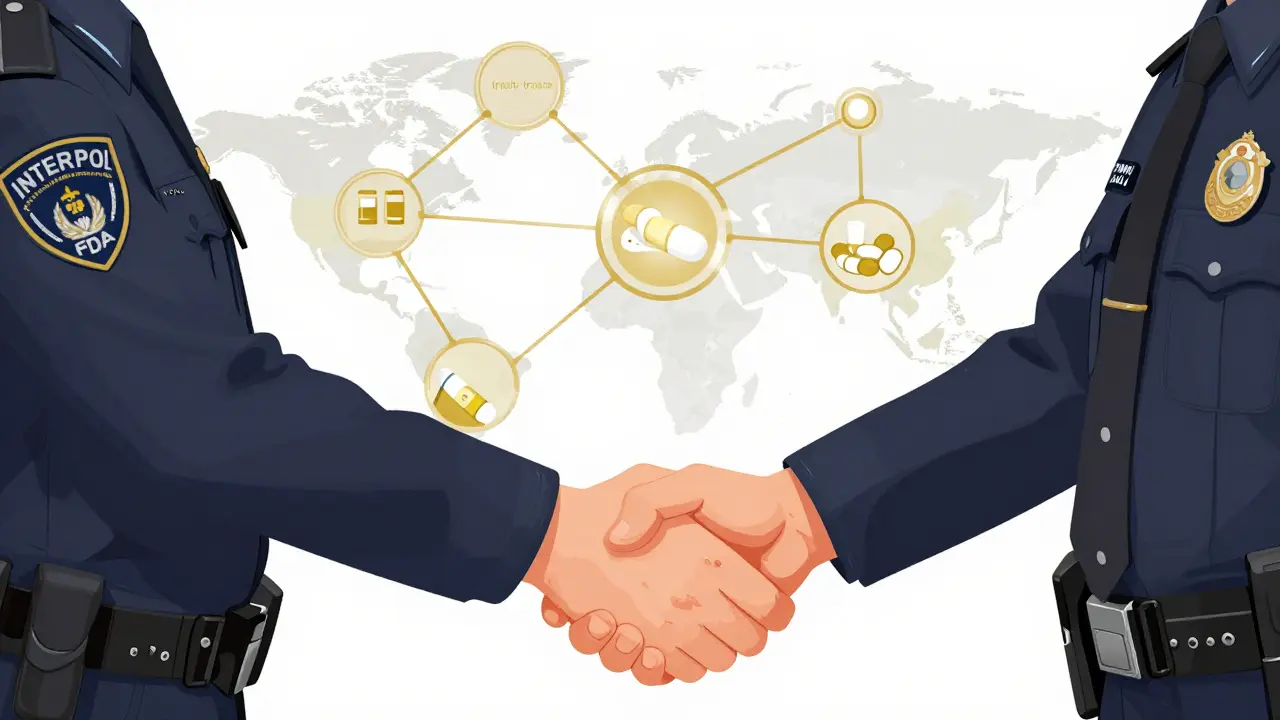
- Collaborate with Law Enforcement: Know who to contact. Programs like Pfizer's Anti-Counterfeiting Program emphasize that pharmacists, customs agents, and police must work together to stop the flow of fakes.
The Future of Pharmacy Security
Looking ahead, the integration of AI and machine learning will likely move from handheld devices into the very packaging of the drugs. We're moving toward a world where a simple smartphone scan can verify the entire journey of a pill from the factory floor to the pharmacy shelf. However, technology is only as good as the person using it. As long as there is a profit motive for criminals to slip fake drugs into the system, the pharmacist's role as the "last line of defense" remains critical.
What is the most effective way to detect a counterfeit drug?
The most effective approach is a combination of strict supply chain management (following DSCSA guidelines) and the use of technology like spectral analysis. While visual inspections can catch obvious fakes, AI-powered devices can detect chemical differences that the human eye cannot see.
How often should pharmacists undergo counterfeit detection training?
Because counterfeiting techniques evolve rapidly, annual refresher training is recommended. Many pharmacists use continuing education (CE) credits to stay updated on new trends in falsified medical products and updated WHO toolkits.
What should I do if I suspect a medication is counterfeit?
Immediately quarantine the product to prevent it from reaching patients. Contact the manufacturer to verify the lot number and report the incident to your national regulatory authority and law enforcement, such as the FDA in the US or the MHRA in the UK.
Are biologics and vaccines also targeted by counterfeiters?
Yes. There have been global alerts from Interpol and Europol regarding fake vaccines, particularly during the COVID-19 pandemic. Biologics are high-value targets, and their complex nature makes them a significant area of focus for modern detection training.
Does the WHO provide a standard curriculum for this training?
Yes, the WHO and the International Pharmaceutical Federation (FIP) developed a competency-based curriculum available in English and French. This program is designed to be integrated into pharmacy school curricula globally to ensure students have foundational knowledge before entering practice.
9 Responses
imagine actually thinking a handheld scanner is gonna save us when the system is basically broken lol
it is absolutly discusting how we let these foreign labs leak their garbage into our supply chains while the goverment just sits there and lets it happen and we gotta trust some fancy app to tell us if a pill is real or just chalk which is just crazy when you think about it honestly its a joke
The DSCSA framework is a convenient facade. If you actually look at who controls these "electronic tracking systems," you'll see it's just another way for centralized entities to monitor distribution while the real counterfeits move through"black" channels that the FDA ignores for political reasons. Pure theatre.
It's really scary to think about patients being so vulnerable, especially those fighting cancer who just want their meds to work. I'm glad there are protocols to help pharmacists catch these before they do harm.
It is profoundly disappointing that some practitioners still rely on "gut feelings" in a professional clinical setting. One must adhere strictly to the WHO competency-based curriculum if they possess any shred of professional integrity.
ppl just want cheeper drugs so they buy from sketchy sites then act surprissed when it doesnt work. common sense isnt so common anymore
Omg I once saw a bottle with a typo in the brand name and I almost let it slide!! 😱 We really need to be more careful because people's lives are literally at stake here!! Why aren't more pharmacies using the spectral analysis stuff?? It's a total must-have!! ✨
The cold-chain logistics are the real nightmare...!! If the temp deviates, the biologic is useless anyway, regardless of if it's a fake or not...!! Spectral analysis helps, but the infra-structure is still lacking in many regions...!!
The mention of pilot programs in Cameroon and Senegal is interesting. It shows that these safety standards are being adapted to fit different healthcare infrastructures globally.