The Cycle You Can’t Outrun
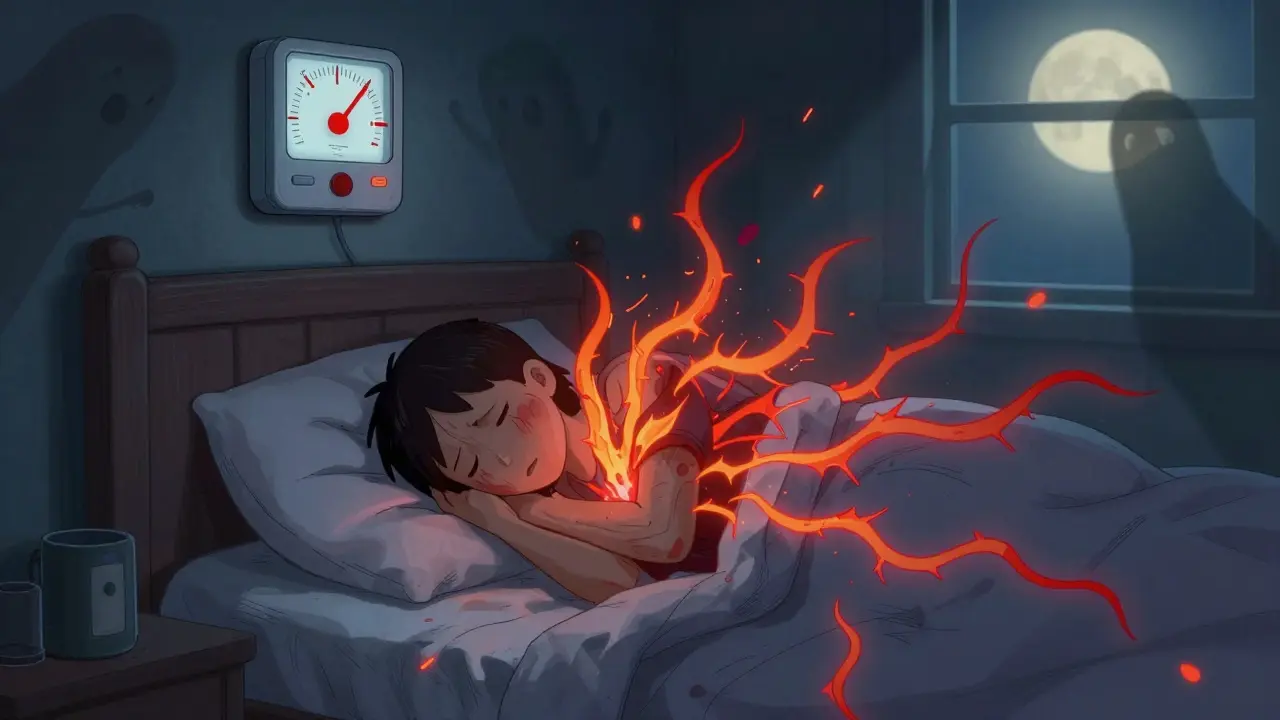
You lie awake, every muscle tight, every nerve screaming. You’re not just tired-you’re hurting. And when you finally do drift off, it’s only for a few hours before the pain yanks you back into consciousness. By morning, you’re not just sleep-deprived-you’re more sensitive to pain than you were the day before. This isn’t bad luck. It’s a biological loop, and it’s trapping millions of people. Chronic pain doesn’t just keep you up-it makes your pain worse. And worse sleep doesn’t just come from pain-it makes your body less able to handle it. This isn’t a coincidence. It’s a cycle, and it’s real.
Why Your Pain Gets Worse When You Don’t Sleep
Think of your brain like a thermostat for pain. When you’re well-rested, it keeps the dial at a manageable level. But when sleep is stolen-whether by back pain, arthritis, or nerve damage-that thermostat goes haywire. Studies show that after just one night of poor sleep, pain sensitivity increases by 10-20%. That means a dull ache becomes sharp. A mild stiffness turns into a stabbing pain. What used to be tolerable now feels unbearable.
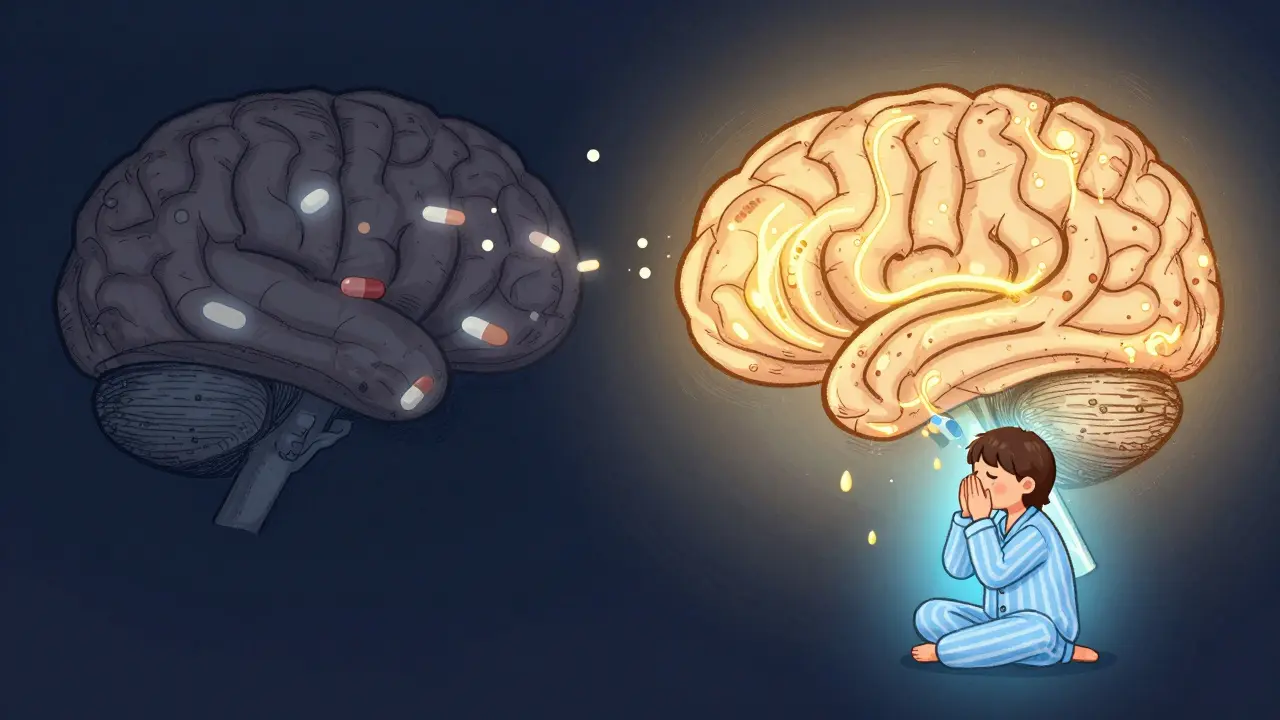
This isn’t just in your head. Brain imaging studies reveal that sleep loss dampens the activity of your body’s natural painkillers-endogenous opioids. These are the chemicals your brain makes to dull pain naturally. When you don’t sleep, their production drops by 30-40%. At the same time, your body ramps up inflammatory signals. Cytokines like IL-6 rise by 25-35%, turning your nervous system into a loud alarm system. Even small movements feel like shocks. This is why people with fibromyalgia or chronic back pain often describe their worst flare-ups happening after a bad night’s sleep.
Why Sleep Doesn’t Come Even When You’re Exhausted
It’s not just that pain keeps you awake-it rewires your brain to stay alert. Dopamine, the brain chemical linked to reward and calm, drops by 20-30% after sleep deprivation. That means even when your body is screaming for rest, your mind stays wired. You might lie there for an hour, two hours, staring at the ceiling, heart racing, muscles tensing. That’s not laziness. That’s your nervous system stuck in fight-or-flight mode.
Objective sleep studies show that people with chronic pain take 25-30 minutes longer to fall asleep than healthy people. They wake up 40-50% more often during the night-averaging over an hour of wakefulness. Total sleep time? Around 6.2 hours, compared to 7.1 hours in people without pain. Sleep efficiency-the percentage of time spent actually sleeping while in bed-plummets to 80% or lower. For context, healthy sleep is above 85%. The Pittsburgh Sleep Quality Index, a standard tool used by doctors, shows scores of 10.5 for chronic pain patients versus 5.2 for those without pain. Anything above 5 is considered poor sleep. So most of these patients are living with chronic, clinically significant sleep loss.
Who’s Really Affected?
It’s not rare. Around 1.5 billion people worldwide live with chronic pain. Of those, 50-80% report serious sleep problems. That’s more than half. The American Academy of Sleep Medicine found that 54% of chronic pain patients meet the clinical criteria for insomnia disorder-compared to just 10-15% of the general population. This isn’t a side effect. It’s a core part of the condition.
And it’s not just physical. People stuck in this cycle report 35-45% higher pain intensity, 28% longer pain episodes, and 50% worse ability to function in daily life. Anxiety and depression climb too-40% higher than in chronic pain patients who sleep well. One patient on Reddit, Sarah M., wrote: “After four nights of poor sleep, my fibromyalgia goes from a 4/10 to an 8/10. It takes me two weeks to recover-even after I finally sleep.” That’s not exaggeration. That’s science.
The Best Solution Isn’t a Pill
Most people reach for sleep aids first. Over-the-counter options like melatonin, diphenhydramine, or valerian root are used by 72% of chronic pain sufferers. But only 35% say they help long-term. And 42% report next-day grogginess that makes their pain worse. Prescription sleep meds? They often come with dependency risks, tolerance issues, and side effects that muddy the picture even more.
The real game-changer? Cognitive Behavioral Therapy for Insomnia, or CBT-I. It’s not talk therapy. It’s a structured, evidence-based program that retrains your brain and body to sleep again. In clinical trials, CBT-I reduces insomnia symptoms by 65-75% in chronic pain patients-and cuts pain intensity by 30-40% after just 8-10 weekly sessions. That’s not a side effect. That’s the direct result of better sleep.
How does it work? It’s simple but powerful:
- **Sleep restriction**: You limit time in bed to match actual sleep time, building sleep pressure.
- **Stimulus control**: Your bed becomes only for sleep and sex-not scrolling, worrying, or watching TV.
- **Cognitive restructuring**: You challenge thoughts like “I’ll never sleep again” that keep your mind racing.
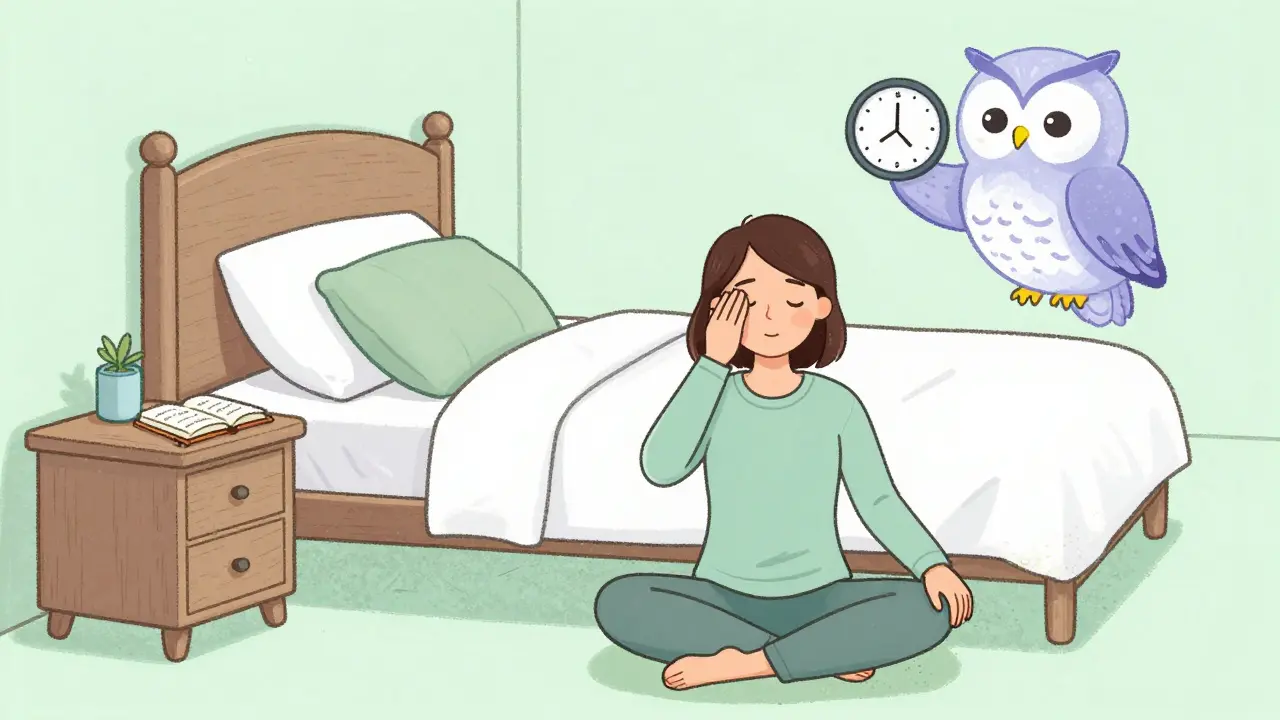
- **Relaxation training**: Techniques like diaphragmatic breathing and progressive muscle relaxation calm the nervous system.
Patients who stick with CBT-I see sleep efficiency jump by 12-15 percentage points. Sleep onset latency drops by 25-30 minutes. Wake after sleep onset shrinks by 35-40 minutes. And pain? It doesn’t vanish-but it becomes manageable. Trustpilot reviews show patients who get integrated sleep-pain care rate clinics 4.7/5, compared to 3.2/5 for pain-only care. The difference? Someone who understands the cycle.
What Doctors Are Starting to Do Differently
Five years ago, most pain clinics didn’t ask about sleep. Now, 92% of them screen for insomnia using the Insomnia Severity Index (ISI). A score above 15 means you need targeted help-not just more painkillers. Sleep diaries are now standard: patients track when they get into bed, how long it takes to fall asleep, how many times they wake up, and how rested they feel. That data tells doctors what’s really happening.
Specialized programs now pair pain specialists with sleep therapists. Digital CBT-I platforms like Sleepio are helping, with 60-65% effectiveness in chronic pain patients. But adherence is lower-only 55% finish the program compared to 75% without pain. That’s why in-person support matters. The best outcomes happen when care is coordinated: a pain doctor, a sleep specialist, and a behavioral therapist working together.
What’s Coming Next
Science is moving beyond just managing symptoms. Researchers at Massachusetts General Hospital and the University of Arizona are targeting the biological roots of the cycle. One promising path? Kappa opioid receptor modulators. These aren’t traditional painkillers. They’re designed to calm the brain’s pain-sleep loop without causing addiction. Early trials show 30-35% improvement in sleep quality and 25-30% drop in pain scores for neuropathic pain patients. The FDA has fast-tracked this research.
Genetics is also playing a role. Scientists have identified 12 gene variants that affect both pain sensitivity and sleep regulation. In the next few years, we may see tests that predict who will respond best to CBT-I versus new medications. The global market for integrated pain-sleep solutions is projected to hit $5.7 billion by 2028. That’s not hype-it’s demand. People are tired of treating one problem while the other gets worse.
Where to Start Today
You don’t need to wait for a miracle drug. Start here:
- Track your sleep and pain for 14 days. Note bedtime, wake time, pain level (1-10), and how rested you feel. Patterns will emerge.
- Ask your doctor for the Insomnia Severity Index. If your score is above 15, push for CBT-I referral.
- Make your bedroom a sleep-only zone. No phones. No TV. No work. If you can’t sleep after 20 minutes, get up and sit in dim light until you feel sleepy.
- Try a 10-minute breathing exercise before bed: inhale for 4 seconds, hold for 4, exhale for 6. Repeat 5 times. This lowers cortisol and calms the nervous system.
- Avoid caffeine after 2 p.m. Even if you think you’re “used to it,” it disrupts deep sleep cycles you can’t afford to lose.
Don’t accept sleeplessness as part of your pain. It’s not inevitable. It’s a treatable part of the condition. The cycle can be broken. You just need the right tools-and the right support.
Can poor sleep cause chronic pain even if I didn’t have it before?
Yes. Research shows people with persistent sleep problems but no prior pain have a 56% higher risk of developing chronic pain within five years. Sleep loss lowers your pain threshold, increases inflammation, and weakens your body’s natural pain control systems. Over time, this can trigger pain conditions like fibromyalgia, chronic headaches, or lower back pain-even if there’s no obvious injury.
Is melatonin helpful for pain-related insomnia?
Melatonin can help some people fall asleep faster, but it doesn’t fix the underlying issue in chronic pain. Studies show only 35% of chronic pain patients report lasting benefit from melatonin, and 42% feel groggy the next day-which can worsen pain perception. It’s not harmful, but it’s not a solution. CBT-I has far stronger, longer-lasting results.
Why doesn’t my doctor talk about sleep when I have chronic pain?
Many doctors still treat pain and sleep as separate problems. But that’s changing. Since 2023, 92% of pain clinics now screen for insomnia. If your doctor hasn’t asked about your sleep, ask them directly: “Could my sleep problems be making my pain worse?” and request a referral to a sleep specialist or CBT-I therapist. You’re not being difficult-you’re advocating for better care.
How long does it take for CBT-I to reduce pain?
Most people see improvements in sleep within 2-4 weeks. Pain reduction typically follows 4-8 weeks after starting CBT-I. That’s because better sleep gradually restores your brain’s ability to regulate pain signals. You won’t wake up pain-free on day one-but by week 6, many report noticeable drops in pain intensity and flare-ups.
Can I do CBT-I online if I can’t leave the house?
Yes. Digital CBT-I programs like Sleepio, SHUTi, and the NHS’s Sleepio platform have proven effective for chronic pain patients. Success rates are 60-65%, though completion rates are lower than in-person programs. Choose one with a pain-specific module. Even partial completion improves sleep quality and reduces pain sensitivity.
Are there medications that treat both pain and sleep at the same time?
Currently, no approved drug does both well. Some antidepressants like amitriptyline help sleep and mild pain, but side effects can be tough. New drugs targeting kappa opioid receptors are in phase 2 trials and show promise for dual action-improving sleep quality while reducing pain without addiction risk. These aren’t available yet, but they represent the future of integrated care.
What to Do If Nothing Seems to Work
If you’ve tried sleep hygiene, melatonin, and even CBT-I without lasting relief, don’t give up. You might need a deeper dive. Ask for a referral to a sleep clinic that specializes in chronic pain. A polysomnogram (sleep study) can rule out sleep apnea or restless legs syndrome-both common in chronic pain patients and often missed. You might also benefit from a pain psychologist who understands the emotional toll of this cycle. The goal isn’t perfect sleep. It’s better sleep. And better sleep means less pain. One step at a time.
10 Responses
This hit me right in the feels. I’ve been stuck in this loop for years-pain keeps me up, then the next day I’m a wreck. CBT-I was the first thing that actually helped. Not magic, but it gave me back control. Took me 6 weeks to see real change, but now I sleep 7 hours most nights. Pain still shows up, but it doesn’t own me anymore.
Okay but like, why is everyone acting like CBT-I is some holy grail? I tried it. Sat in a room for an hour every week talking about my bedtime routine. My pain didn’t get better. I got a calendar and a breathing exercise. Meanwhile, my neighbor took gabapentin and slept like a baby. Maybe the real issue is that doctors don’t want to prescribe real meds because they’re scared of liability. Also, why is melatonin always the villain? I take 5mg and I’m out like a light. Stop gatekeeping sleep.
This article is pure fluff. You think I don’t know about sleep hygiene? I’ve read every damn blog, tried every app, wore blue light glasses, drank chamomile tea, meditated, did yoga, and still wake up at 3 a.m. screaming because my spine feels like it’s being crushed. CBT-I is a joke for people who don’t live in actual agony. Stop pretending this is solvable with breathing exercises when your body is falling apart.
The biological link between sleep deprivation and pain sensitization is well documented in peer-reviewed literature. The reduction in endogenous opioid production and elevation of proinflammatory cytokines such as IL-6 are measurable and reproducible. CBT-I remains the most evidence-based nonpharmacological intervention. I recommend starting with the ISI and tracking sleep efficiency via actigraphy. Consistency matters more than intensity.
I used to think I just needed more sleep. Turns out I needed to stop treating my bed like a second office. The 20-minute rule changed everything. If I’m not asleep, I get up. No phone. No TV. Just sit in the dark. It felt weird at first. Now I actually look forward to bedtime. Pain still flares but it doesn’t ruin my nights like it used to.
In my country, we don’t have access to CBT-I programs. But I started writing down my pain and sleep every night. Just five minutes before bed. I noticed patterns-like how coffee after noon always made me wake up at 2 a.m. I stopped. It helped. Not perfect, but better. You don’t need a fancy program to start healing. Just start.
Thank you for writing this with such clarity. As someone who works with chronic pain patients, I’ve seen how often sleep is overlooked. It’s not a secondary concern-it’s foundational. The 92% screening rate in clinics is encouraging, but we still need better access and insurance coverage for CBT-I. This isn’t luxury care. It’s essential care.
CBT-I? 😒 I’ve done it. It’s just cognitive restructuring with a side of sleep restriction. Meanwhile, the real issue is that modern life is designed to keep us wired. Phones, stress, 24/7 noise. No amount of breathing will fix that. Also, melatonin works fine for me. You’re just mad because you didn’t try the right dose. 🤷♂️
bro i just take tylenol pm and chill. why is this so hard? i dont need to talk to no therapist. just let me sleep. this article is way too long. like who even wrote this? some phd with too much time? i just want to not hurt and sleep. thats it.
There’s a quiet truth here: pain isn’t just physical. It’s emotional. It’s fear. It’s the dread of another sleepless night. CBT-I works because it doesn’t just fix your sleep-it rebuilds your relationship with rest. You’re not training your body to sleep. You’re teaching your mind it’s safe to let go. That’s the real breakthrough. And it’s not fast. But it’s real. One breath at a time.