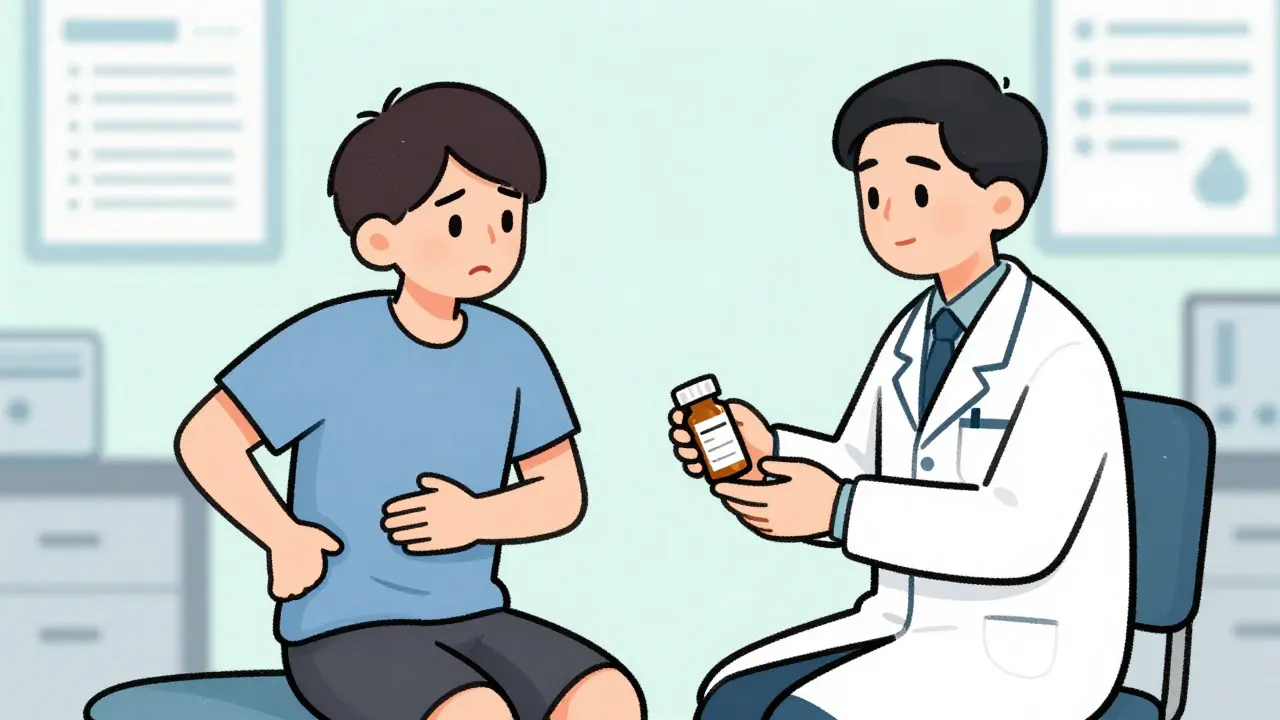
Imagine walking into a clinic with severe back pain that has kept you awake for three weeks. Your doctor hands you a prescription for oxycodone. It works. The pain fades, and you sleep through the night. But six months later, the same dose no longer touches the pain, and you find yourself anxious about running out of pills before your next refill. This scenario plays out in clinics across the United Kingdom and the United States every day. Opioid therapy is the medical use of opioid analgesics to manage acute, subacute, or chronic pain, balancing therapeutic relief against risks of addiction, misuse, and overdose. While these medications can be life-saving for cancer patients or those recovering from major surgery, they carry a complex web of benefits and dangers that require careful navigation by both doctors and patients.
When Opioids Are the Right Choice
Not all pain requires opioids. In fact, for most types of chronic pain, non-opioid treatments like physical therapy, acetaminophen, or NSAIDs are the first line of defense. So when do opioids make sense? Clinical guidelines, including the 2022 update from the Centers for Disease Control Prevention (CDC), suggest opioids are appropriate in specific contexts where other options have failed or are unsuitable. For acute pain lasting less than one month, such as after a fracture or major surgery, opioids are often prescribed to bridge the gap until healing begins. For subacute pain (1-3 months) and chronic pain (over 3 months), the bar is higher. You typically need to try non-pharmacologic therapies and non-opioid drugs first. If those fail, and your pain significantly impairs your daily function, an opioid trial may be justified.
There are also situations where opioids are the standard of care regardless of duration. Cancer-related pain, palliative care, and end-of-life comfort frequently rely on opioids because the goal shifts from long-term quality of life to immediate symptom control. Sickle cell disease crises also often require rapid-acting opioids due to the intensity of the pain episodes. Outside these scenarios, opioids should be viewed as a temporary solution or a last resort, not a permanent fix.
Understanding Dependence vs. Addiction
A common source of confusion is the difference between physical dependence and addiction, or Opioid Use Disorder (OUD). Physical dependence means your body adapts to the drug; if you stop suddenly, you experience withdrawal symptoms like sweating, tremors, and nausea. This is a predictable physiological response and does not mean you are "addicted." Addiction, however, involves compulsive use despite negative consequences, loss of control, and continued use even when it causes harm. According to the VA/DoD Clinical Practice Guideline, approximately 8-12% of patients prescribed opioids for chronic pain develop OUD. This risk jumps to 26% among those taking high doses (100+ morphine milligram equivalents per day). Understanding this distinction helps remove some of the stigma around withdrawal while highlighting the real risk of developing a disorder.
Key Risk Factors to Watch
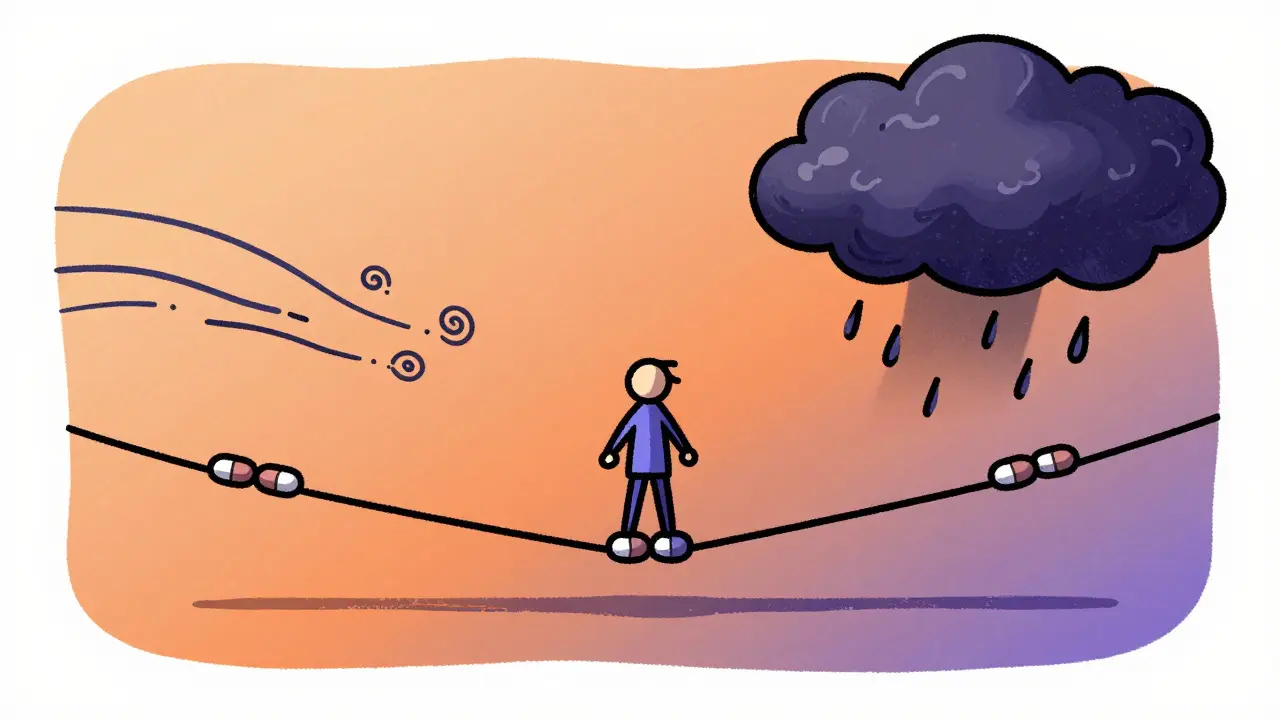
Your personal risk profile matters more than the drug itself. Several factors increase the likelihood of overdose or developing OUD. High doses are a primary concern. Data shows that overdose risk increases by 8% for every additional 10 MME/day between 20-50 MME, and by 11% for each additional 10 MME between 50-100 MME. Taking benzodiazepines (like Xanax or Valium) alongside opioids multiplies this danger. Studies indicate that concurrent use increases the risk of overdose by up to 10.5 times compared to opioids alone. Other red flags include a history of substance use disorder, age over 65 (due to slower metabolism), and untreated mental health conditions. If you fall into any of these categories, your doctor should monitor you more closely and consider co-prescribing naloxone, a medication that reverses opioid overdoses.
| Risk Factor | Impact on Safety | Mitigation Strategy |
|---|---|---|
| Dose > 90 MME/day | High overdose risk; requires justification | Consider tapering; add naloxone; frequent monitoring |
| Concurrent Benzodiazepines | 10.5x higher overdose risk | Avoid combination if possible; strict dosing limits |
| History of Substance Use | 3.5x higher risk of OUD | Urine drug testing; collaborative care plan |
| Age 65+ | Slower clearance; higher sensitivity | Start low, go slow; monitor for sedation |
Monitoring and Safe Prescribing Practices
If you start opioid therapy, it isn't a set-and-forget situation. The CDC recommends regular evaluations of benefits and harms. For stable patients, check-ins might happen quarterly, but high-risk patients may need monthly visits. These visits aren't just about refilling prescriptions; they involve assessing your pain levels using a 0-10 scale, checking your functional status (can you walk, work, sleep?), and screening for aberrant behaviors. Tools like the Current Opioid Misuse Measure help identify early signs of trouble. Urine drug testing is also common to ensure adherence and detect undisclosed substances. If you notice your pain returning or needing higher doses quickly, tell your doctor immediately. Tolerance can develop, but it’s a signal that the treatment plan needs adjustment, not just more pills.
Navigating Tapering and Discontinuation
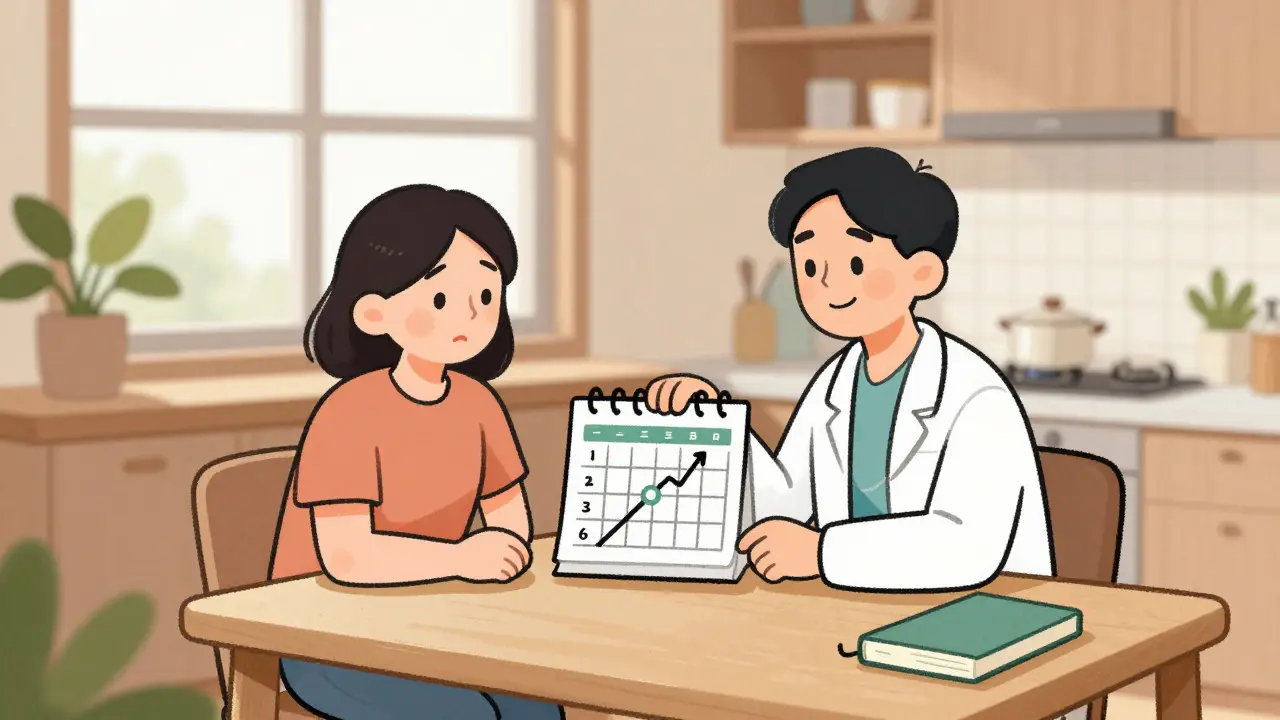
Stopping opioids abruptly is rarely a good idea. Withdrawal can be miserable, and for some, it leads to relapse into illicit drug use. A slow, individualized taper is the gold standard. For long-term users without other complications, a reduction of 2-5% every 4-8 weeks is typical. If you’re on a very high dose (over 90 MME/day) or experiencing side effects, the taper might be faster, around 10% per week. The key is collaboration. Your doctor shouldn't force a rapid taper; instead, you should agree on a timeline that feels manageable. Keep a diary of your symptoms during the taper so you can adjust the pace if needed. Remember, the goal is to reduce reliance on opioids while maintaining quality of life, possibly by introducing other pain management strategies like physical therapy or cognitive behavioral therapy along the way.
The Bigger Picture: Reducing Overdose Deaths
The landscape of opioid prescribing has changed dramatically. In 2012, there were 81.3 opioid prescriptions per 100 people in the US; by 2020, that number dropped to 46.7. This shift reflects a growing awareness of the crisis, which claimed over 80,000 lives in 2021 alone. To support safe use, 49 US states now operate real-time Prescription Drug Monitoring Programs (PDMPs), allowing doctors to check your prescription history before writing a new script. Additionally, 51% of US hospitals now have standing orders for naloxone, making this life-saving antidote readily available for at-risk patients. As you engage with your healthcare provider, ask about these resources. Knowing that safety nets exist can make the conversation about opioids feel less daunting and more like a managed part of your overall health strategy.
What is the maximum recommended dose for opioid therapy?
There is no single hard cap, but guidelines suggest keeping doses below 50 MME/day when possible. Doses above 90 MME/day require strong justification and extra risk mitigation, such as co-prescribing naloxone and more frequent monitoring.
Can I take opioids with alcohol?
Generally, no. Alcohol acts as a central nervous system depressant, similar to opioids. Combining them increases the risk of respiratory depression and overdose. Always consult your doctor before mixing any substances with opioid therapy.
How long does it take to taper off opioids?
It varies widely based on how long you’ve been taking them and your dose. A slow taper might take several months. The general rule is to reduce the dose by 2-10% every 4-8 weeks, adjusting based on your comfort and symptoms.
Are opioids effective for long-term chronic pain?
The evidence for long-term effectiveness is mixed. Short-term pain reduction is modest (0.6-1.8 points on a 10-point scale), and benefits often diminish over time. Many experts recommend combining opioids with non-drug therapies for better long-term outcomes.
What should I do if I suspect an overdose?
Call emergency services immediately. If you have naloxone, administer it according to the instructions. Signs of overdose include slowed breathing, blue lips or fingernails, and unresponsiveness. Time is critical, so act fast.