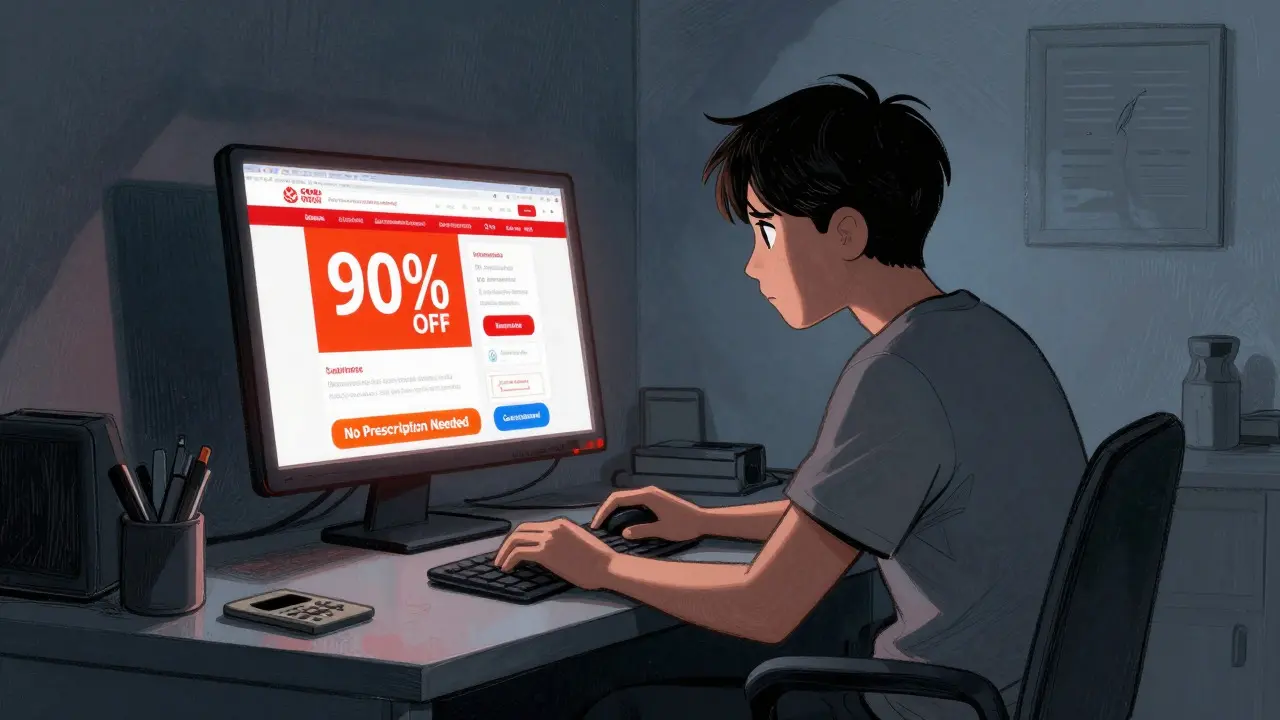
Imagine you have a chronic condition that requires daily medication. You’re tired of standing in line at your local drugstore, paying high prices for generics, or dealing with parking hassles. So, you search online. You find a site offering your exact prescription for half the price. It looks professional. It promises fast shipping. You click “buy.” But what if that pill is just sugar? Or worse, what if it contains too much active ingredient, sending your heart rate into overdrive?
This isn’t a hypothetical nightmare scenario; it’s a growing reality for millions of Americans. The world of online pharmacies is a massive industry, but it’s also a wild west where legitimate businesses sit side-by-side with dangerous scams. When it comes to generic drugs purchased through digital platforms, the stakes are incredibly high. In 2024 alone, the Food and Drug Administration (FDA) reported nearly 1,850 adverse events linked to buying from illegitimate sites. That number jumped by 27% from the previous year. With over 35,000 pharmacy websites operating globally as of early 2025, knowing which ones are safe is no longer optional-it’s a matter of personal health security.
The Allure and the Risk: Why We Buy Online
Why do people turn to the internet for their meds? The reasons are practical. Convenience is king. A 2024 survey published in JAMA Internal Medicine found that 87% of users cite time savings as their primary reason for using online services. For someone working two jobs or caring for elderly parents, skipping the pharmacy counter is a huge relief. Then there’s the cost. Generic medications can be expensive, even with insurance copays. Legitimate online pharmacies often offer these drugs at 30% to 80% below traditional retail prices. This savings data was confirmed by the FDA’s 2023 Generic Drug Savings report.
However, this convenience comes with a hidden tax: risk. The market is flooded with unverified sites. According to the National Association of Boards of Pharmacy (NABP), only about 20% of the thousands of online pharmacy websites are verified as legitimate. That means roughly four out of five sites you might stumble upon could be operating outside the law. These illegitimate operations don’t just steal your money; they endanger your life. They often sell counterfeit products, substandard generics, or drugs that have expired. Some sites even operate without licensed pharmacists, meaning no one is checking for dangerous drug interactions before you take that first pill.
How to Identify a Legitimate Online Pharmacy
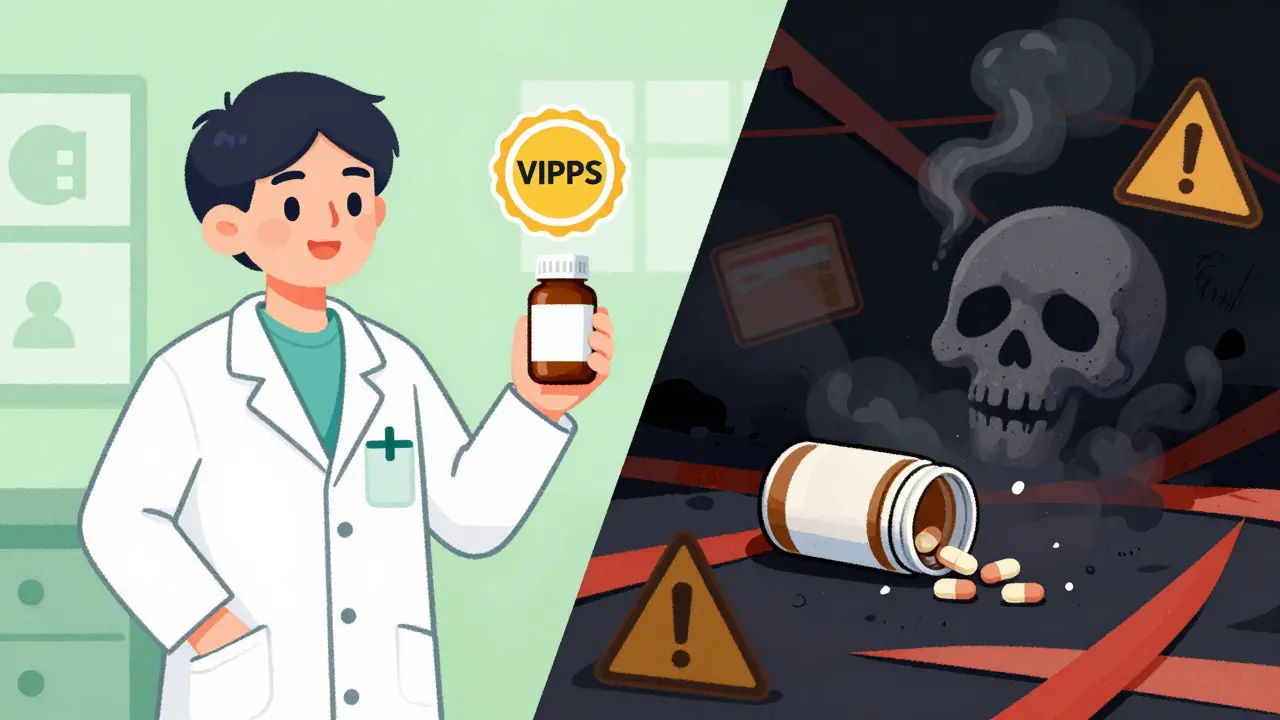
You don’t need a degree in pharmacology to spot a scam, but you do need to know what to look for. The gold standard for safety in the United States is the Verified Internet Pharmacy Practice Sites (VIPPS) seal. This program, run by the NABP, ensures that a pharmacy meets strict operational criteria. To earn this seal, a pharmacy must hold a valid license in every state where it serves patients, provide 24/7 access to a licensed pharmacist, and adhere to federal privacy laws like HIPAA.
If you see the VIPPS seal, click on it. It should lead you directly to the NABP website confirming the pharmacy’s status. If the link goes nowhere or leads back to the same site, be suspicious. Beyond the seal, check for these four critical markers recommended by the FDA’s BeSafeRX campaign:
- Requires a Valid Prescription: Legitimate pharmacies always ask for a prescription from a licensed healthcare provider. If a site offers to prescribe medication after a quick, automated quiz without seeing a doctor, run away. Only 12% of non-verified sites require prescriptions, compared to 100% of VIPPS-accredited ones.
- U.S. Physical Address: A real pharmacy has a real location. Check if they list a street address in the U.S., not just a P.O. Box or an email contact form. Nearly all legitimate sites (98%) provide this.
- Licensed Pharmacist Available: There should be a way to talk to a pharmacist, whether by phone, chat, or video. They should be able to answer questions about your medication.
- State Board Licensure: You can verify a pharmacy’s license through your state’s board of pharmacy website. Many states now make this information publicly searchable.
The Danger of Counterfeit Generics
When we talk about safety, we aren’t just talking about getting ripped off financially. We’re talking about chemical hazards. Dr. Sarah Ahmed, Director of the Center for Drug Safety at Johns Hopkins, warned in a February 2025 article that substandard generics from illegitimate sources often contain wildly inaccurate amounts of active ingredients. Some pills have only 20% of what they claim, rendering them useless for treating conditions like hypertension or depression. Others contain up to 200%, which can lead to toxic overdoses.
Consider the case of sertraline, a common antidepressant. In March 2025, a user on Reddit’s r/Pharmacy community shared a story that garnered over 2,000 upvotes. He bought his medication from an unverified site to save money. Independent lab testing revealed his pills contained only 18% of the labeled active ingredient. For someone relying on that drug to manage severe anxiety, this drop in efficacy can cause a relapse or withdrawal symptoms. On the flip side, receiving too much medication can be fatal. The FDA noted that counterfeit generics accounted for 65% of all pharmaceutical seizures at U.S. borders in 2024, highlighting how pervasive this problem has become.
Regulatory Changes in 2025: What You Need to Know
The government is taking notice. The landscape of online pharmacy regulation shifted significantly in early 2025. One major change involves telemedicine. The Drug Enforcement Administration (DEA) issued new rules in January 2025 requiring all telemedicine platforms that facilitate prescriptions to register with the DEA. This includes creating specific categories for telemedicine prescribing, especially for controlled substances. While some pandemic-era flexibilities allowing virtual visits for controlled substances were extended through December 31, 2025, the requirement for proper registration adds a layer of accountability.
States are also tightening their belts. Massachusetts implemented strict new requirements effective January 1, 2025, mandating that any nonresident pharmacy dispensing to Massachusetts patients must obtain a state license. Missouri followed suit with revised Prescription Delivery Requirements that took effect in late 2024. These rules demand written policies on shipping integrity, temperature control, and patient notifications. Why does temperature matter? Because many generic drugs degrade if exposed to heat during shipping. The American Pharmacists Association found that 83% of samples shipped without proper temperature controls showed degradation after just 72 hours above 77°F (25°C).
| Feature | Legitimate (VIPPS-Accredited) | Illegitimate/Unverified |
|---|---|---|
| Prescription Requirement | Always required (100% compliance) | Often waived or self-diagnosed (12% compliance) |
| Medication Authenticity | 99.7% authentic per FDA testing | 97% contain counterfeit/substandard products |
| Price Discount | 40-60% below retail | Advertised 70-90% off (often bait-and-switch) |
| Pharmacist Access | Licensed pharmacist available 24/7 | Rarely available or uses automated bots |
| Physical Address | U.S. street address provided (98%) | Often missing or fake P.O. Boxes |
Practical Steps to Protect Yourself
So, how do you navigate this safely? Start by doing your homework. It takes less than ten minutes to verify a pharmacy. Use tools like GoodRx, which filters results to show only VIPPS-accredited pharmacies and compares prices across legitimate providers. As of February 2025, GoodRx is used by 48 million Americans monthly, making it a reliable resource for finding safe deals. Avoid clicking on ads that promise "no prescription needed" or "miracle cures." These are classic hallmarks of scam sites.
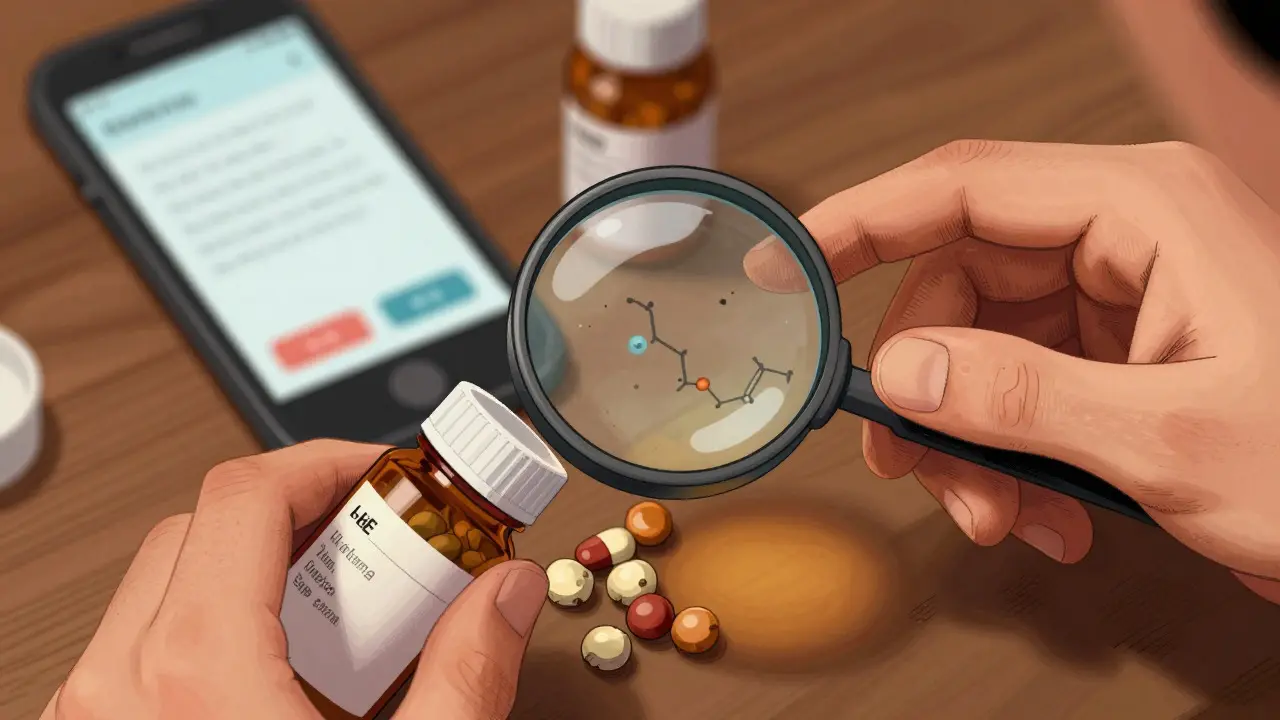
Also, pay attention to the packaging when your order arrives. Legitimate pharmacies ship in discreet but professional packaging that includes proper labeling, expiration dates, and lot numbers. If you receive a bottle that looks different from your usual prescription, or if the pills look discolored or crumbly, stop taking them immediately. Report the incident to the FDA via their MedWatch program. In the first quarter of 2025 alone, the FDA processed nearly 15,000 consumer reports of suspicious pharmacies, helping to shut down bad actors faster.
Finally, talk to your doctor or local pharmacist. They can recommend trusted online options if you’re looking for convenience. Many large chains like CVS Caremark and Optum Rx have robust online portals that are fully integrated with your medical records, ensuring that your medications don’t interact dangerously with other treatments you’re taking. Remember, saving money is great, but not if it costs you your health. Always prioritize verification over the lowest price tag.
Is it legal to buy generic drugs from online pharmacies?
Yes, it is legal to buy generic drugs from online pharmacies, provided the pharmacy is licensed and operates within U.S. regulations. However, you must have a valid prescription from a licensed healthcare provider. Buying prescription drugs without a prescription from an online source is illegal and risky, as the medications may be counterfeit or substandard.
What is the VIPPS seal and why does it matter?
The VIPPS (Verified Internet Pharmacy Practice Sites) seal is a certification issued by the National Association of Boards of Pharmacy (NABP). It indicates that an online pharmacy meets strict standards for safety, legitimacy, and quality. This includes having a valid license in the states it serves, providing access to a licensed pharmacist, and adhering to privacy laws. Looking for this seal is one of the best ways to ensure you are buying from a safe source.
Are online pharmacies cheaper than local drugstores?
Legitimate online pharmacies often offer generic medications at 30% to 80% lower prices than traditional retail pharmacies. This is due to lower overhead costs. However, be cautious of sites advertising discounts of 70% to 90% or more, as these are frequently illegitimate operations selling counterfeit drugs. Use price comparison tools like GoodRx to find verified low prices.
What are the risks of buying from unverified online pharmacies?
The risks include receiving counterfeit medications, drugs with incorrect dosages (too little or too much active ingredient), expired products, or pills containing harmful contaminants. The FDA reported nearly 1,850 adverse events in 2024 linked to illegitimate online pharmacy purchases. Additionally, you may suffer financial fraud if the site steals your credit card information.
How can I report a suspicious online pharmacy?
You can report suspicious online pharmacies to the FDA through their MedWatch program or directly via the FDA’s online reporting system for unsafe medicines. You can also report them to the National Association of Boards of Pharmacy (NABP). Providing details such as the website URL, the medication received, and any photos of the product helps authorities investigate and shut down illegal operations.