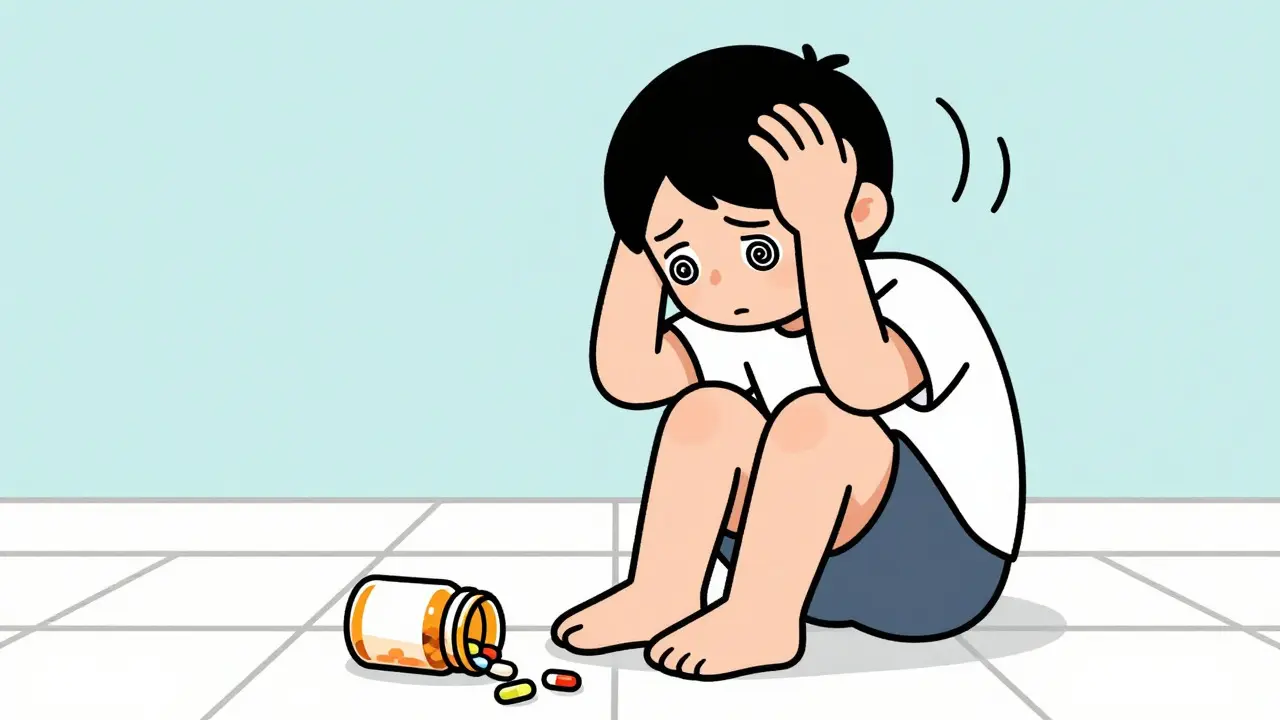
You swallow a pill to fix one problem, but suddenly you feel dizzy, nauseous, or just generally unwell. Is this normal? It’s a question almost everyone asks at some point. We often accept mild discomfort as the price we pay for health, but how do you know when a medication side effect is an unintended and harmful response to a medicine that occurs at doses normally used for treatment is just an annoyance and when it’s a warning sign you can’t ignore?
The truth is, most drugs have a range of possible reactions. Some are harmless and fade away in a few days. Others are rare but dangerous. Understanding the difference between a common adverse drug reaction (ADR) is a noxious and unintended response to a medicine which occurs at doses normally used in man for prophylaxis, diagnosis, or therapy of disease and a true emergency could save your life.
What Actually Counts as a Side Effect?
Not every uncomfortable feeling after taking medicine is a side effect. To be classified as such, the reaction must be unintended and harmful, occurring at standard therapeutic doses. This definition was solidified decades ago following tragedies like the thalidomide crisis of the early 1960s, which led to stricter global regulations requiring proof of both safety and efficacy before a drug hits the market.
Experts generally split these reactions into two main categories:
- Type A reactions (Augmented): These account for about 75-80% of all cases. They are predictable based on the drug’s known pharmacology and usually depend on the dose. If you take too much, the effect gets worse. Examples include bleeding from blood thinners or low blood sugar from insulin.
- Type B reactions (Bizarre): Making up 15-20% of cases, these are unpredictable. They aren’t related to the drug’s primary action and often involve immune responses. Think severe allergic reactions or skin rashes that appear out of nowhere.
Knowing this distinction helps you gauge risk. Type A issues might mean your dosage needs adjusting. Type B issues often mean you need to stop the medication entirely.
The Most Common Annoyances You Might Experience
If you’ve ever started a new prescription, you’ve likely encountered the "big five" of mild side effects. According to data from MedStar Health and Harvard Health, these are the most frequently reported issues across various medication classes:
- Gastrointestinal distress: Nausea, upset stomach, constipation, or diarrhea. Since pills travel through your digestive system, this is a very common site of irritation. Proton pump inhibitors like omeprazole (Prilosec) are ironically known for causing stomach upset despite treating acid reflux.
- Drowsiness or fatigue: Many medications, especially anti-anxiety drugs like alprazolam (Xanax) or antihistamines like diphenhydramine (Benadryl), cross the blood-brain barrier and slow down neural activity. This leads to sleepiness and dry mouth.
- Dizziness or lightheadedness: Common with blood pressure medications like metoprolol (Lopressor). As your blood pressure drops, your brain may temporarily struggle to get enough oxygen if you stand up too quickly.
- Headaches: A vague but frequent complaint, often linked to changes in blood flow or dehydration caused by the drug.
- Mild rashes: Small, itchy spots that resolve on their own. While annoying, these are usually not dangerous unless they spread rapidly or blister.
These symptoms are often manageable. Taking medication with food, staying hydrated, or timing your dose before bed can mitigate them. However, persistence is key. If they don’t improve after a week, or if they interfere with your daily life, it’s time to talk to your doctor.
Red Flags: When to Seek Immediate Help
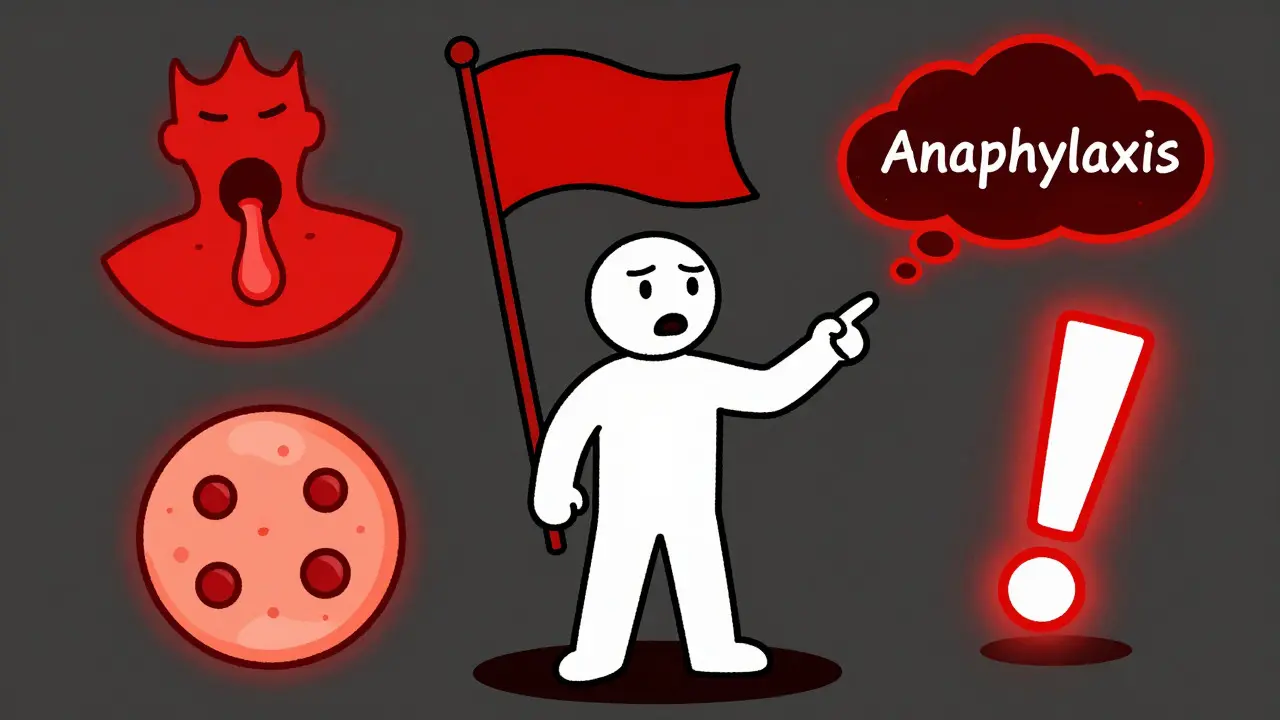
Some reactions are not just inconvenient; they are medical emergencies. The FDA defines a serious side effect is one resulting in death, life-threatening condition, hospitalization, disability, permanent damage, or birth defects. You should seek immediate medical attention if you experience any of the following:
- Anaphylaxis: A sudden, severe allergic reaction. Look for swelling of the lips, tongue, or throat, trouble breathing, hives, and a rapid drop in blood pressure. This requires epinephrine and emergency care immediately.
- Stevens-Johnson Syndrome (SJS) or Toxic Epidermal Necrolysis (TEN): These are rare but devastating skin conditions. Symptoms start with fever and flu-like feelings, followed by a painful red or purple rash that spreads and blisters. The skin begins to peel off, similar to a severe burn. TEN can lead to kidney and lung injury.
- DRESS Syndrome: Drug Reaction with Eosinophilia and Systemic Symptoms. This involves a rash, fever, swollen lymph nodes, and internal organ inflammation, particularly affecting the liver, kidneys, and lungs. It typically appears weeks after starting a new drug.
- Internal Bleeding: Signs include black, tarry stools, vomiting blood, or unusual bruising. This is a risk with NSAIDs like naproxen (Aleve) and anticoagulants.
- Psychiatric Changes: New or worsening suicidal thoughts, severe agitation, or confusion can signal a neurological adverse event, particularly with antidepressants or certain antibiotics.
Don’t wait to see if it gets better. If you suspect any of these, go to the nearest emergency department or call emergency services.
Who Is at Higher Risk?
Not everyone reacts the same way to medication. Your biology plays a huge role in how your body processes drugs. Several factors increase your likelihood of experiencing adverse reactions:
| Risk Factor | Why It Matters | Example Impact |
|---|---|---|
| Age (65+) | Slower metabolism and reduced kidney/liver function. | Elderly patients have an ADR rate of 17.3 per 1,000 population, compared to 5.5 for adults aged 45-64. Higher risk of falls with sedatives. |
| Polypharmacy | Taking multiple medications increases interaction risks. | Complex interactions can amplify side effects, leading to hospitalizations. Roughly 6.5% of hospital admissions are due to preventable ADRs. |
| Organ Function | Kidneys and liver filter drugs from the body. | Impaired function leads to drug buildup in the bloodstream, increasing toxicity even at normal doses. |
| Genetics | Enzyme variations affect drug breakdown speed. | Some people metabolize drugs too slowly (toxicity) or too quickly (no effect). |
If you fall into any of these categories, you need to be more vigilant. Always inform your healthcare provider about every supplement, vitamin, and over-the-counter drug you take. For instance, grapefruit juice can block enzymes that break down certain blood pressure and cholesterol meds, effectively turning a standard dose into an overdose.
The Hidden Danger of Drug Interactions
Sometimes, the problem isn’t the drug itself, but what it’s mixed with. WebMD highlights that side effects may only emerge when a drug interacts with other substances. Alcohol is a major culprit. Mixing alcohol with narcotic painkillers or benzodiazepines depresses the central nervous system further, potentially leading to accidental overdose and respiratory failure.
Even seemingly innocent things like St. John’s Wort, a popular herbal supplement, can interfere with birth control pills, antidepressants, and heart medications. Before adding anything new to your routine, check for interactions. Pharmacists are excellent resources for this-they can run your full medication list through databases to flag potential conflicts.
How and Why You Should Report Side Effects
Here’s the hard truth: underreporting is a massive issue. Studies suggest less than 5% of all adverse drug reactions are formally reported to regulatory authorities. Yet, reporting is crucial. It helps agencies like the FDA identify new safety signals that weren’t caught during clinical trials, which typically involve thousands, not millions, of diverse patients.
In the United States, the primary channel is the FDA MedWatch program is the voluntary reporting system for adverse events and product problems associated with drugs and medical devices. Healthcare professionals are legally required to report certain serious reactions, but patients can also submit reports online or via mail. In the UK, the NHS operates the Yellow Card Scheme is a system for monitoring suspected adverse drug reactions (ADRs) to medicines and vaccines, allowing anyone to report concerns.
Why bother? Because your report could prevent someone else from suffering. For example, the psoriasis drug efalizumab (Raptiva) was eventually withdrawn from the market in 2009 after post-marketing reports linked it to progressive multifocal leukoencephalopathy, a rare brain infection. Those reports came from patients and doctors who noticed patterns that initial studies missed.
To report a side effect, gather the following information:
- The name of the medication (brand and generic).
- The dose you were taking.
- When you started and stopped the medication.
- A detailed description of the side effect (onset, severity, outcome).
- Any other medications or supplements you were using.
Navigating Cancer Treatments and Unique Profiles
Cancer treatments like chemotherapy and radiotherapy work by attacking rapidly dividing cells, which unfortunately includes healthy cells like those in hair follicles and the digestive tract. This leads to distinct side effect profiles. Chemotherapy commonly causes fatigue, hair loss (which is usually temporary), nausea, and increased susceptibility to infection due to lowered white blood cell counts.
Radiotherapy side effects are localized to the treatment area. Abdominal radiation often causes diarrhea, while head and neck radiation can lead to dry mouth and difficulty swallowing. Long-term impacts may include infertility or early menopause, particularly with pelvic treatments. Patients undergoing these therapies should maintain open communication with their oncology team, as supportive care medications can significantly alleviate many of these symptoms.
Practical Steps for Safer Medication Use
You don’t have to live in fear of side effects, but you do need to be proactive. Here is a simple checklist to keep yourself safe:
- Read the leaflet: Every prescription comes with patient information. Skim the "Side Effects" section so you know what to expect.
- Start low, go slow: Ask your doctor if you can start with a lower dose to see how your body reacts.
- Keep a log: Write down when you take your meds and any symptoms you experience. Note the time of day and what you ate. This helps your doctor pinpoint the cause.
- Don’t stop abruptly: Unless you’re having a severe allergic reaction, consult your doctor before quitting a medication. Suddenly stopping beta-blockers or antidepressants can cause withdrawal symptoms or rebound effects.
- Use reliable sources: Check the National Library of Medicine’s drug database or reputable health sites like Harvard Health or MedStar Health for verified information. Avoid anecdotal forums where misinformation spreads quickly.
Medication is a powerful tool, but it requires respect and awareness. By understanding common adverse reactions and knowing when to report them, you take control of your health journey. Don’t suffer in silence-if something feels wrong, it probably is. Speak up, ask questions, and partner with your healthcare providers to find the safest path forward.
How long does it take for medication side effects to go away?
Mild side effects like drowsiness, nausea, or headache often subside within a few days to a week as your body adjusts to the medication. However, if symptoms persist beyond two weeks, worsen, or interfere with your daily activities, you should contact your healthcare provider. Persistent gastrointestinal issues or fatigue may require a dosage adjustment or a switch to a different medication.
Can I drink alcohol while taking prescription medication?
It depends on the medication. Alcohol can interact dangerously with many drugs, including painkillers, anxiety medications, and antibiotics. It can increase drowsiness, impair judgment, and in some cases, cause liver damage or reduce the drug's effectiveness. Always check the label or ask your pharmacist. When in doubt, avoid alcohol until you finish your course of treatment.
What is the difference between a side effect and an allergy?
A side effect is a known, unintended consequence of a drug's mechanism of action, such as drowsiness from antihistamines. An allergy is an immune system response to a substance it perceives as a threat. Allergic reactions can range from mild rashes to life-threatening anaphylaxis, characterized by swelling, difficulty breathing, and hives. If you suspect an allergy, seek medical attention immediately.
How do I report a side effect to the FDA?
You can report adverse events through the FDA's MedWatch program. You can submit a report online via the FDA Safety Information and Adverse Event Reporting Program website, download a form and mail it, or fax it. Providing details like the drug name, dose, duration of use, and a description of the reaction helps regulators track safety trends and protect public health.
Are natural supplements free from side effects?
No. Natural does not always mean safe. Supplements like St. John’s Wort, garlic, and ginkgo biloba can interact with prescription medications, altering their effectiveness or increasing toxicity. For example, St. John’s Wort can make birth control pills less effective. Always treat supplements with the same caution as prescription drugs and discuss them with your doctor.
Why do older adults experience more side effects?
As we age, our bodies change. Kidney and liver function often decline, slowing down the metabolism and elimination of drugs. This can lead to higher concentrations of medication in the bloodstream, increasing the risk of toxicity. Additionally, older adults are more likely to take multiple medications (polypharmacy), which raises the chance of drug-drug interactions. Age-related changes in body composition, such as decreased water content, also affect how drugs are distributed.
What should I do if I miss a dose and then feel sick?
If you miss a dose, follow the instructions on your prescription label or ask your pharmacist. Generally, if it’s close to the next scheduled dose, skip the missed one. Do not double up to make up for it, as this can spike drug levels in your body and trigger side effects. If you feel sick after taking a dose, monitor your symptoms. If they are severe, seek medical advice.
Can stress make medication side effects worse?
Yes, indirectly. Stress can affect your digestive system, making you more prone to nausea or stomach upset from oral medications. It can also exacerbate symptoms like headaches or muscle tension. Furthermore, high stress levels can impact sleep and appetite, which may influence how your body absorbs and processes drugs. Managing stress through relaxation techniques can sometimes help mitigate minor side effects.