GLP-1 Side Effect & Meal Planner
Dose Titration Checker
Determine if you are ready to increase your dose based on symptom-guided logic.
Meal Balance Estimator
Plan your meal using the recommended 30-40-30 ratio to minimize nausea.
The Quick Fix: Key Takeaways for Comfort
- Prioritize Protein: Aim for 20-30g of protein per meal to maintain muscle and curb nausea.
- Small & Frequent: Switch to 5-6 small meals (300-400 calories) instead of three large ones.
- Symptom-Led Titration: Don't move up your dose if you're still feeling sick; wait until symptoms resolve.
- Hydration Timing: Stop drinking large amounts of fluids during your meals to avoid feeling overly full.
Why GLP-1s Mess With Your Stomach
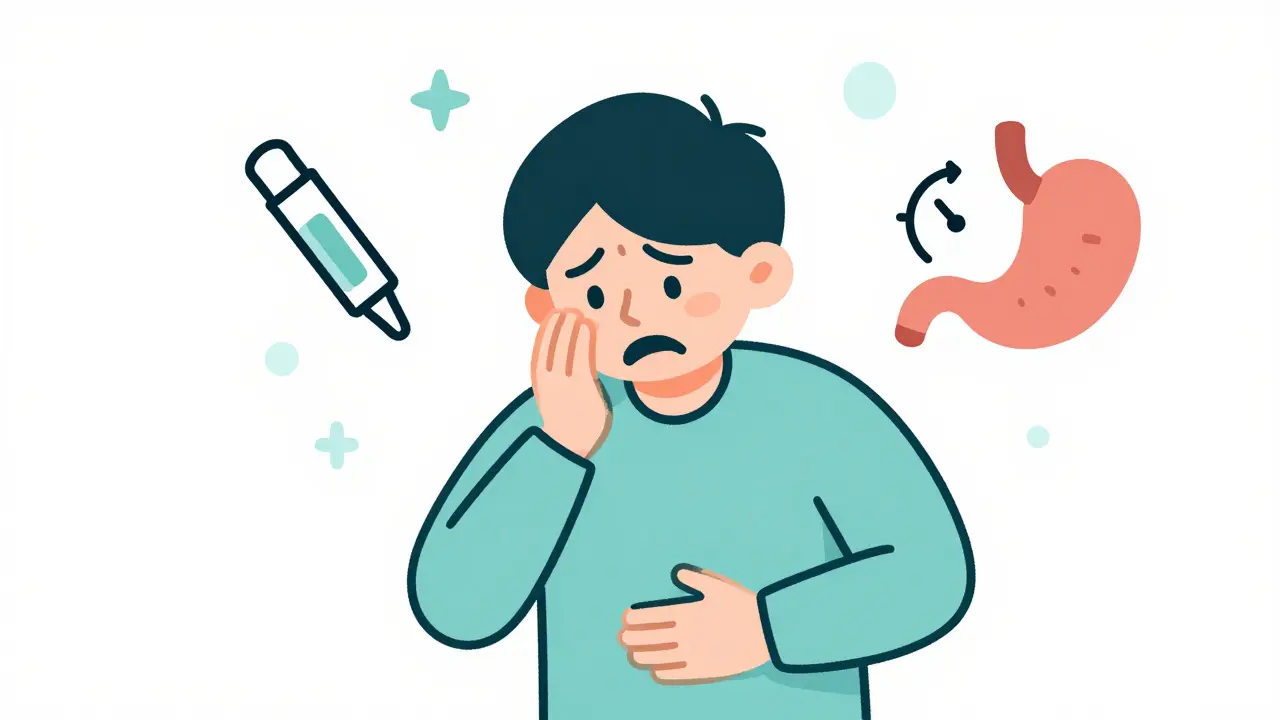
To understand why you feel sick, you have to understand what the drug is doing. These medications, which include Semaglutide a long-acting GLP-1 RA found in Ozempic and Wegovy used for diabetes and chronic weight management and Liraglutide a daily GLP-1 RA found in Victoza and Saxenda, work by slowing down how quickly your stomach empties. While this helps you feel full longer, it can lead to food sitting in your stomach for too long, which triggers nausea and vomiting.
The intensity of these side effects often peaks around week 4 of treatment. For most people, the feeling subsides by week 8 as the body adapts. However, if you push your dose too fast or eat heavy, fatty meals, you're essentially fighting against the medication's mechanism, making the side effects last longer or feel more severe.
Smart Meal Planning to Beat Nausea
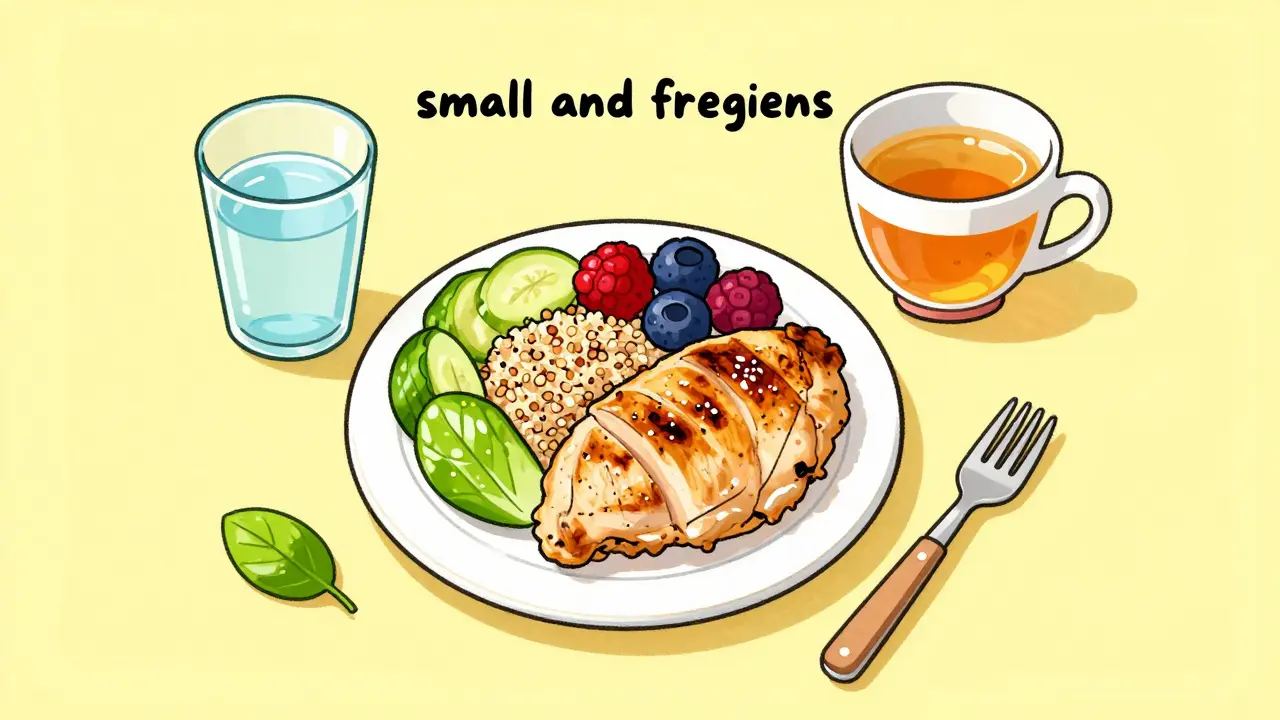
Eating a "normal" sized meal while on a GLP-1 is a recipe for disaster. Because your digestion is slowed, a 600-calorie dinner can feel like a brick in your stomach. The goal is to reduce the volume of food while increasing the nutrient density.
Focus on a 30-40-30 ratio: roughly 30g of protein, under 40g of complex carbohydrates, and a maximum of 30g of fat per meal. High-fat foods are particularly problematic because fat slows digestion even further, compounding the effect of the medication.
| Category | Choose This (Low Trigger) | Avoid This (High Trigger) |
|---|---|---|
| Proteins | Grilled chicken, white fish, tofu, egg whites | Fried chicken, fatty ribeye, greasy sausages |
| Carbs | Quinoa, steamed carrots, berries, oats | White bread, sugary pastries, heavy pasta |
| Beverages | Sips of water, ginger tea, electrolyte drinks | Carbonated sodas, heavy creams, large smoothies |
Timing is also a huge factor. Many users find that eating 2 hours after their weekly injection helps significantly. Additionally, try to avoid eating right before bed; a late-night snack can lead to morning nausea because the food hasn't moved out of your stomach by the time you wake up.
Mastering Dose Titration
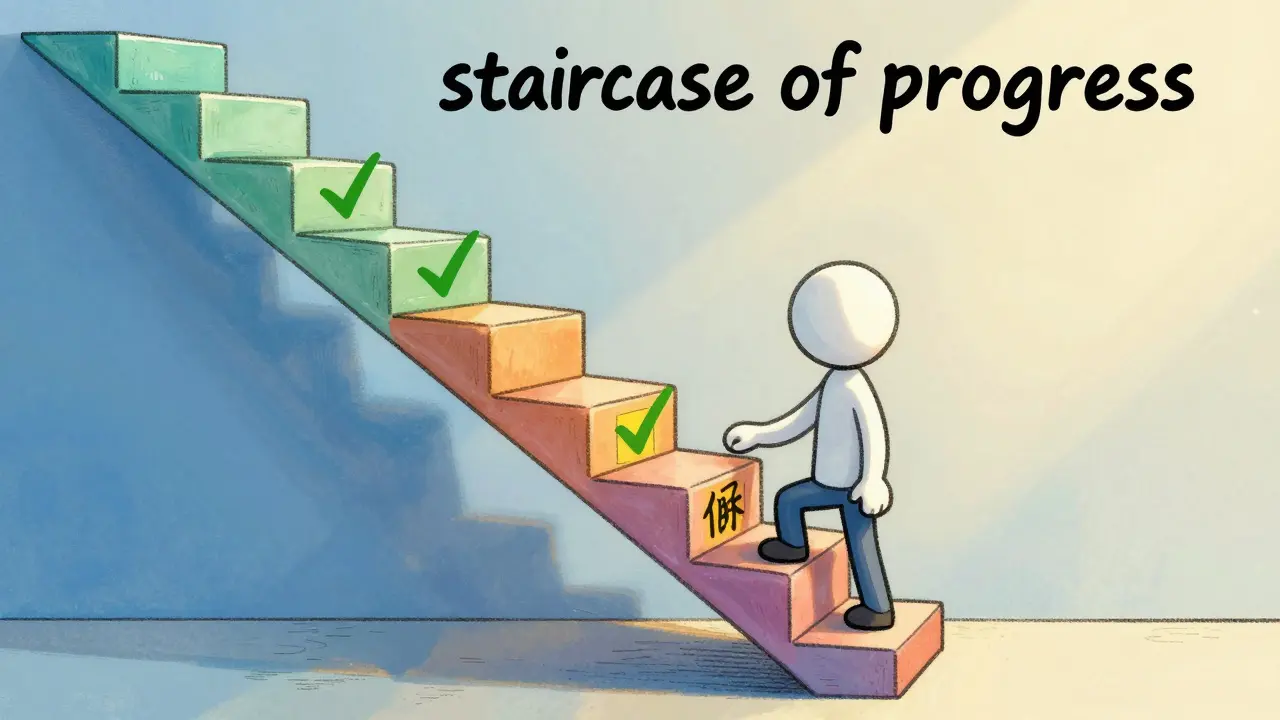
Dose titration is the process of gradually increasing your medication dose to let your body adjust. The biggest mistake people make is following a rigid calendar. If the schedule says "increase dose on week 5," but you're still vomiting on day 34, increasing the dose will likely make you feel worse.
A Symptom-Guided Titration a clinical approach where dose increases are based on the patient's current tolerance rather than a fixed timeline approach is far more effective. This means you only move to the next dose level once your nausea has disappeared for at least 7 consecutive days. If you have moderate symptoms, consider delaying your next increase by 2 to 4 weeks.
If you experience severe reactions, such as vomiting more than twice a week, your doctor might suggest holding the dose or even dropping back down to the previous level for a few weeks. This "step back" strategy can save the treatment for people who would otherwise give up entirely.
Practical Daily Habits for Success
Beyond what you eat and how much you take, a few small lifestyle tweaks can make a big difference. Start your day with water and a small amount of protein-like a hard-boiled egg or a few slices of turkey-within 30 minutes of waking up. This stabilizes your blood sugar and settles the stomach.
Be careful with liquids. Drinking a large glass of water during a meal takes up valuable space in your stomach, which is already emptying slowly. Limit your fluids to about 120-180ml during the actual meal and drink your water between meals instead. Also, ditch the carbonation; the gas from sparkling water or soda can create uncomfortable pressure and bloating.
When to Be Concerned
While nausea and diarrhea are common, some symptoms require immediate medical attention. Extremely severe abdominal pain that radiates to your back could be a sign of pancreatitis. Similarly, if you cannot keep any fluids down and are showing signs of dehydration (like dark urine or extreme dizziness), you need to contact your provider immediately.
The FDA has also updated warnings regarding Gastroparesis a condition where the stomach muscles don't work properly, causing food to move too slowly into the small intestine. While rare, this is a serious complication that differs from the typical transient nausea seen in the first few weeks of therapy.
How long do the nausea side effects typically last?
For most users, nausea peaks around week 4. It typically declines by week 8 and often disappears completely by the time you reach a maintenance dose. If nausea persists beyond 12 weeks, it may be a sign that your dose is too high or your meal choices are triggering the response.
Can I take anti-nausea medication with GLP-1 drugs?
Many doctors allow the use of over-the-counter or prescription anti-emetics during the titration phase. However, you should always consult your healthcare provider first to ensure there are no interactions and to determine if a dose hold is a better long-term solution.
Why do I feel better when I eat smaller meals?
GLP-1 medications slow down gastric emptying, meaning food stays in your stomach longer. Small meals prevent the stomach from becoming over-distended, which reduces the pressure and the likelihood of nausea or vomiting.
Is it better to take the injection in the morning or evening?
Some pharmacokinetic studies suggest that morning dosing may reduce nausea by 25-30% for certain patients. This allows you to manage the peak of the medication's effect during the day rather than dealing with nausea throughout the night.
What should I do if I vomit after a dose increase?
If you vomit more than twice in a week, the general protocol is to hold the dose escalation. In some cases, your doctor may advise holding the medication for 7-10 days before restarting at the previous, lower dose to allow your system to reset.
Next Steps for Your Journey
If you're currently struggling, start by keeping a simple symptom log. Track what you ate and when you felt sick. This data is incredibly valuable for your doctor to decide if you need a slower titration schedule. If you've just started, focus on the "protein first" rule and keep your portions small. Remember, the goal isn't just to reach the maximum dose, but to reach it in a way that your body can actually sustain.
10 Responses
The bit about symptom-led titration is a total lifesaver. A lot of people just blindly follow the pharmacy printout and end up miserable for weeks. I've seen so many folks stick to the calendar even when they're puking, which just makes the whole experience traumatic. Moving up only when you're baseline is the only way to go. ✌️
The pharmacodynamics of GLP-1s really necessitate this approach because the delayed gastric emptying essentially creates a bottleneck in the GI tract. When you introduce high-lipid foods, you're adding an extra layer of inhibition to an already slowed system, which drastically increases the risk of acute nausea. It's basically a physiological clash between the exogenous agonist and the dietary fat slowing the motility further. Stick to lean proteins to avoid that gastric stasis.
I tried the small meals thing but honestly it's just a pain to prep 6 times a day lol.
Just take it slow man. No need to rush the dose increase if you're feeling rough. You've got this! 🚀
Ginger tea is like a warm hug for my stomach when the nausea hits 🍵✨ It's such a weird feeling when a tiny piece of bread feels like a boulder in your gut. Anyone else feel that? (。◕‿◕。)
This is exactly why we need better healthcare in this country. I've been feeling like death for three weeks and my doctor just told me to 'tough it out' while the drug worked. It's absolutely disgusting how we're treated like lab rats for these blockbuster drugs without any real guidance on how to not suffer. Absolute joke!
OH MY GOD I literally cannot believe people just follow the dose schedule! I almost ended up in the ER because I thought I had to move up to 2.5mg even though I was dizzy and shaking! It is absolutely TERRIFYING how some of these guidelines are written! I felt like my stomach was literally turning inside out!!
It's interesting how our bodies react to these changes. We often fight the process instead of listening to what our biology is telling us. Taking a step back in dose isn't a failure; it's actually a form of mindfulness and respect for your own physical limits. Be gentle with yourselves during this transition.
I must say that the emphasis on prioritizing protein is absolutely paramount, for it is far too easy to neglect one's muscle mass when the appetite is so severely suppressed by the medication! I have found that preparing my protein-rich snacks in advance allows me to maintain a consistent nutritional intake without the overwhelming stress of deciding what to eat while feeling nauseous, and I truly believe that this methodical approach is the key to long-term success and vitality! 🌟
Stop complaining about the prep work for small meals and just do it! 😡 If you want the results, you gotta put in the effort. It's not that hard to pack a few containers. Get it together! 👊💥