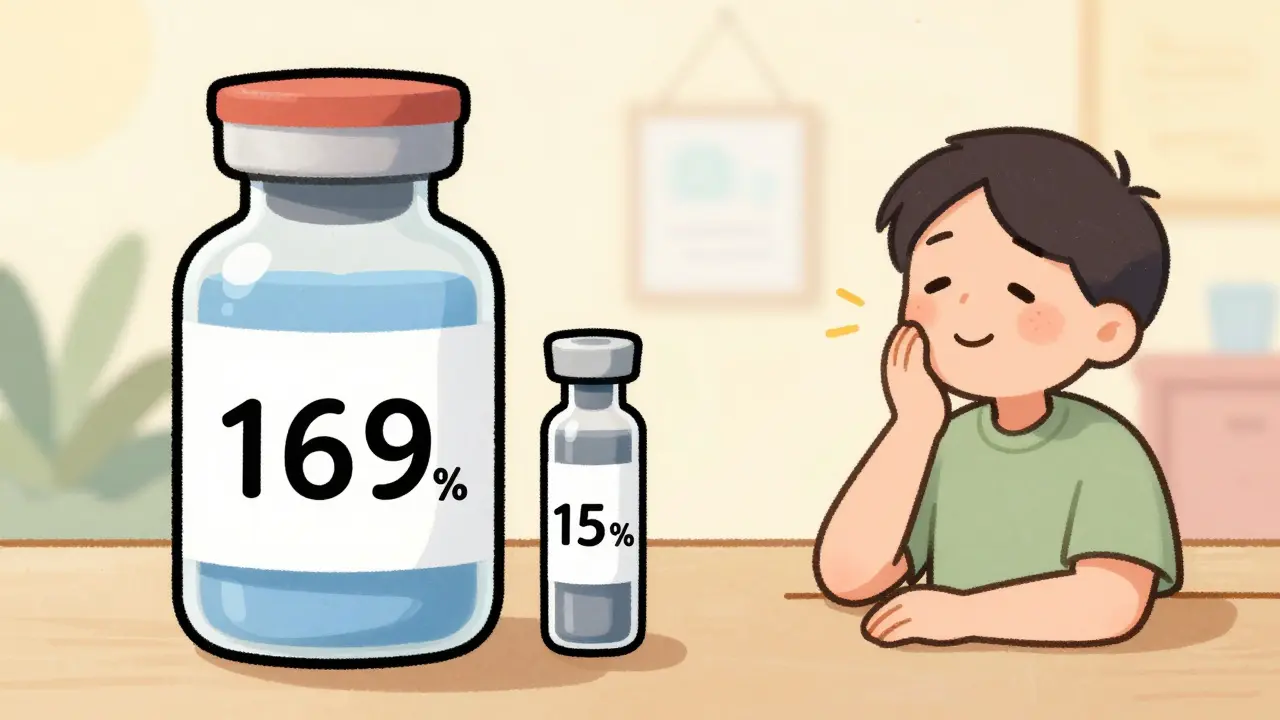
Imagine paying $450 a month for a life-saving medication, only to find a version that works just as well for $90. For millions of people living with diabetes, this isn't a fantasy-it's the reality of Insulin Biosimilars is highly similar follow-on versions of already approved biological insulin products that demonstrate no clinically meaningful differences in effectiveness and safety compared to the original reference biologics . But while the price tag is enticing, the shift from a brand-name drug to a biosimilar often comes with a lot of questions. Is it actually the same? Why is it called a "biosimilar" instead of a "generic"? And why are some doctors more hesitant to switch than others?
The global market for these treatments is exploding. Current projections show the sector growing from USD 3.2 billion in 2025 to roughly USD 5.8 billion by 2035. This growth isn't just about corporate profit; it's about survival and accessibility in a world where diabetes prevalence is climbing. Whether you are a patient looking to lower your pharmacy bill or a provider navigating the regulatory maze, understanding the nuances of these biological products is key to better diabetes management.
Biosimilars vs. Generics: Why the Distinction Matters
If you've ever swapped a brand-name ibuprofen for a store-brand version, you've used a generic. But insulin isn't a simple chemical compound; it's a complex protein grown in living cells. This is why we don't call them generics.
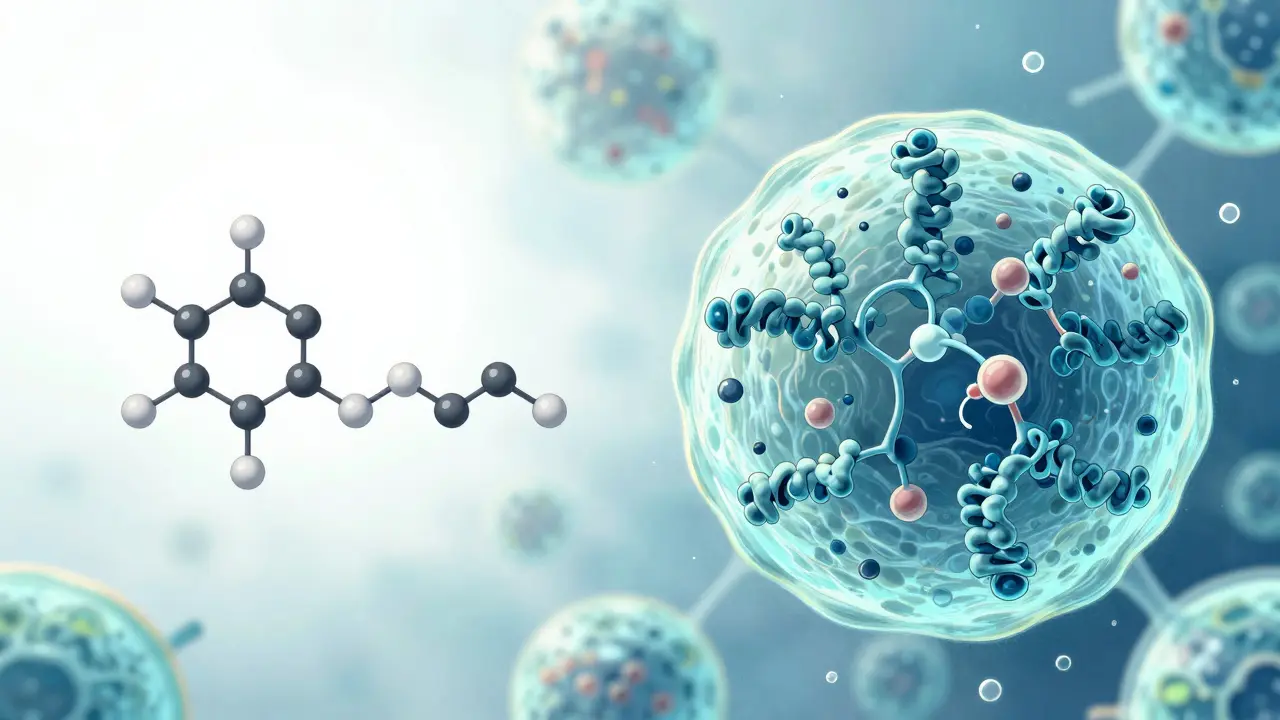
A Generic Drug is a chemically identical copy of the original. Because they are small molecules, they can be replicated exactly. However, Biosimilars are large, complex molecules. Because they are produced in biological systems, it is virtually impossible to create an exact carbon copy. Instead, they are designed to be "highly similar." This means they undergo rigorous analytical and clinical testing to prove they behave the same way in the body as the reference product.
| Feature | Generic Drugs | Biosimilars | |
|---|---|---|---|
| Structure | Simple chemical structure | Complex protein structure | |
| Manufacturing | Chemical synthesis | Living cell cultures | |
| Similarity | Identical copy | Highly similar (no meaningful difference) | |
| Approval Process | Bioequivalence tests | Analytical, non-clinical, and clinical trials |
Types of Insulin Biosimilars and Market Examples
Not all insulins are created equal. Depending on whether you need a quick spike of coverage for a meal or a steady baseline for the day, the type of biosimilar you use will vary. The market has expanded to cover almost every functional category of insulin.
- Long-acting and Rapid-acting Analogs: These are the most common targets for biosimilars. For example, Semglee serves as a biosimilar to Lantus (insulin glargine). This pairing is a prime example of how competition can drive costs down for the patient.
- Regular and NPH Human Insulin: These traditional versions are often the most affordable, though newer biosimilar analogs provide more predictable absorption.
- Pre-mixed Insulins: These combine different types of insulin in one injection, offering a biosimilar route for patients who prefer simplified dosing schedules.
Companies like Biocon, Eli Lilly and Company, and Sanofi are major players here. Interestingly, Sanofi has used a dual pricing strategy for Lantus-offering both branded and unbranded versions-to protect its market share against the incoming wave of biosimilars.
The Adoption Gap: Science vs. Perception
If these drugs are clinically equivalent, why isn't everyone switching? The data shows a strange trend. While biosimilars for cancer drugs often capture 81% of the market within five years, insulin glargine biosimilars have only hit about 26% in the same timeframe. The problem isn't the science; it's the psychology.
Many patients and doctors are hesitant to change a routine that is already working. When you're dealing with a medication that can cause immediate hypoglycemia if the dose is slightly off, the "if it ain't broke, don't fix it" mentality is strong. Some patients have reported feeling more frequent "lows" after a switch, though clinical data suggests this is often due to dosing adjustments rather than the drug's inherent failure. In fact, a survey showed that 68% of patients who switched felt no difference in efficacy at all.
Regional differences also play a huge role. In India, where cost is a primary driver, endocrinologists report that up to 45% of their patients have moved to biosimilars, seeing price cuts of 60-70%. In the U.S., the process is slower due to complex pharmacy substitution laws. As of early 2025, only 17 U.S. states allow pharmacists to automatically substitute a biosimilar for a branded insulin.
Special Considerations for Switching
Switching your insulin isn't as simple as swapping a brand of aspirin. Because of the biological nature of these drugs, a structured approach is necessary to ensure safety and glycemic control.
Healthcare providers generally recommend a transition period of 3 to 6 months. During this window, close glucose monitoring is essential. The goal is to ensure the Pharmacokinetics (how the body absorbs and processes the drug) of the biosimilar align with the patient's specific needs. While the European Medicines Agency (EMA) considers approved biosimilars interchangeable, the FDA in the U.S. is more cautious, often requiring a specific "interchangeable" designation before a pharmacist can make the swap without a new prescription.
For patients, the biggest hurdle is often education. Understanding that a biosimilar is not a "cheap imitation" but a highly regulated, clinically proven equivalent is the first step. When managed correctly, the financial relief can be life-changing. One user reported their monthly costs dropping from $450 to $90 after switching to a biosimilar, allowing them to afford other necessary health supplies.
Looking Ahead: 2026 and Beyond
We are currently entering a new era of competition. In 2026, we expect the launch of biosimilars for other long-acting analogs like Toujeo and Tresiba. This will further break the monopolies held by a few large pharmaceutical companies and likely drive prices even lower.
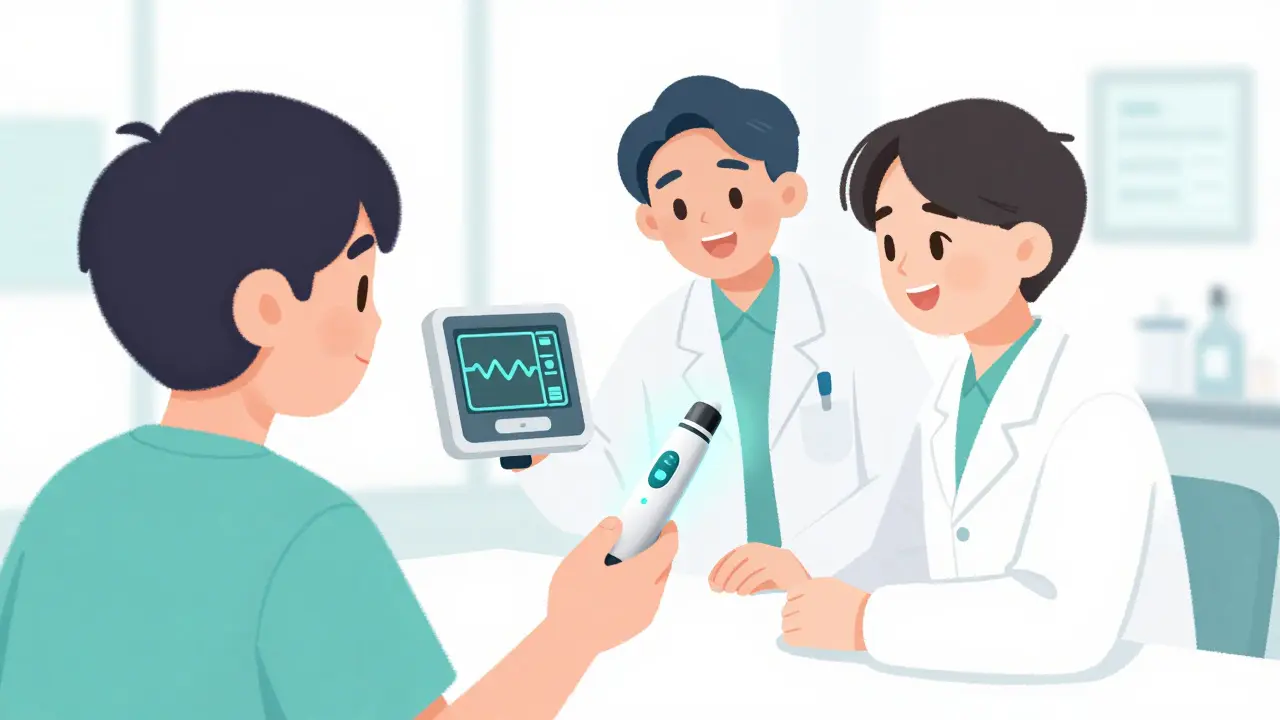
The future isn't just about the medicine itself, but how it's delivered. About 78% of manufacturers are now investing in next-generation delivery devices. Imagine a biosimilar insulin paired with a smarter, more intuitive pen or pump that reduces user error. This synergy between biological innovation and hardware will likely be the primary driver of the projected 18% CAGR for the insulin segment through 2034.
As regulatory bodies like the FDA and EMA work toward harmonization, the time it takes to bring these drugs to market could drop by 12 to 18 months. For the patient, this means faster access to cheaper meds. For the healthcare system, it means a significant reduction in the national expenditure required to fight the diabetes epidemic.
Are insulin biosimilars safe to switch to?
Yes. Biosimilars must prove they have no clinically meaningful differences in safety and effectiveness compared to the reference product. While some patients may need minor dose adjustments, the vast majority experience the same level of glycemic control.
Why are biosimilars more expensive than generics?
The cost comes from the manufacturing process. Generics are made via chemical synthesis, which is cheap and precise. Biosimilars are grown in living cells, requiring massive bioreactors and complex purification processes to ensure the protein folds correctly.
Can my pharmacist switch my insulin to a biosimilar automatically?
It depends on where you live. In the EU, they generally are. In the U.S., this is regulated at the state level, and only a minority of states allow automatic substitution without a doctor's specific approval for an interchangeable product.
Will my insurance cover the switch to a biosimilar?
Usually, yes. In fact, many insurance companies and PBMs (Pharmacy Benefit Managers) encourage the use of biosimilars because they reduce the overall cost of care. Some may even require a "step therapy" approach where you try the biosimilar before they will pay for the branded version.
What should I do if I feel different after switching?
If you experience more frequent hypoglycemia or higher blood sugar levels, contact your endocrinologist immediately. Do not adjust your dose on your own. A 3-6 month monitoring period is recommended to fine-tune the dosage for the new product.
Next Steps for Patients and Providers
For Patients: Start by asking your doctor if a biosimilar version of your current insulin is available. Request a clear transition plan that includes increased glucose monitoring for the first few weeks. Check with your insurance provider to see if switching will lower your monthly co-pay.
For Providers: Familiarize yourself with the Biologics Prescribers Collaborative guides to understand specific product characteristics. When initiating a switch, educate the patient on the biological nature of the drug to reduce anxiety and the "perception gap." Ensure that the patient understands how to document their glucose levels more frequently during the transition phase to identify any necessary dose tweaks early.
14 Responses
Glad to see more options for people who are struggling with these costs.
Everyone keeps acting like this is some miracle, but the "highly similar" part is exactly why you should be skeptical. It is basically a fancy way of saying it is not actually the same thing. Most people just don't get that a protein fold difference, even a tiny one, can totally mess with your body's reaction. I have seen people switch and just totally crash because the pharmacokinetics weren't actually aligned like the brochures claim.
It is absolutely pathetic that we have to look at India to see how actual healthcare efficiency works when we have the greatest pharmaceutical innovators in the entire world right here in the US, but then our own bloated government and those greedy pharmacy benefit managers just keep the prices sky-high to line their own pockets while the American people suffer. We need to stop letting these foreign market trends dictate our conversation and start forcing our own companies to prioritize the American patient over the quarterly dividend reports for some suit in a boardroom!
Omg the way insurance companies use "step therapy" is literally a nightmare!! 😱 They basically force you to gamble with your health just to save a few bucks on their end. I can't even deal with the stress of thinking about a 3-6 month "transition period" where my blood sugar is just a guessing game. Absolute chaos! 🙄
this is just basic biology people... it is not a mystery that proteins are hard to copy. the drama about "substitution laws" is just a legal shield for big pharma to keep their monopolies. literally just a money grab disguised as safety
It is interesting to think about the tension between the need for economic accessibility and the human desire for stability in one's health routine. We often value the known over the theoretically better if the known is "good enough." It is a very human way to approach survival.
The transition from branded biologics to biosimilars represents a necessary evolution in the democratization of healthcare. In the Indian context, the ability to reduce costs by such a significant margin is not merely a financial convenience but a fundamental requirement for public health sustainability.
Who cares about the "biological nature" of the drug when the price tag is a total circus? The pharma companies are just playing a game of musical chairs with our wallets and calling it innovation. It is a complete bamboozle!
Do we really believe that these "biosimilars" are safe just because some government agency says they are highly similar, especially when you consider that the agencies are funded by the very companies making the drugs? It is a revolving door of corruption where they tell us the protein folding is fine but in reality, they are just testing these things on the public to see who develops a reaction first, and the fact that they want a 6-month monitoring period is just a way to catch the failures before they become lawsuits, all while the big pharma lords laugh in their ivory towers and manipulate the market to ensure we never actually get truly cheap medicine.
Typical. They promise a "new era" in 2026 but it is just more of the same. These biosimilars are just a way for the companies to recycle old patents and keep the profit margins high while pretending to help the poor. Wake up people, the "innovation" in delivery devices is just a way to lock you into a new proprietary ecosystem so you can't switch again.
Oh sure, because the FDA is just world-renowned for its lightning-fast efficiency and totally unbiased relationship with industry lobbyists. I'm sure the "interchangeable" designation is based purely on science and definitely not on how much paperwork the company was willing to pay for.
I think it is wonderful that we are seeing more global cooperation on this. While the US has a different system, we can learn so much from how other countries handle accessibility. It is all about finding a balance that works for everyone and making sure patients feel supported during the switch.
I completely agree that the financial relief can be a huge weight off a person's shoulders. It's hard to focus on health when you're stressed about the bill.
The thought of my glucose levels being unpredictable for six months is absolutely terrifying! I cannot imagine the anxiety of waking up and not knowing if the "similar" drug is actually working in my system!