
Medication errors are not just a statistic; they are a daily reality for many families caring for older adults. In the United States alone, these preventable events affect roughly 1.5 million people annually, with those aged 65 and older facing rates three times higher than younger adults. For a family member visiting a loved one in a nursing home or managing care at home, the fear of a missed dose or a dangerous interaction is constant. You might notice your parent seems unusually drowsy after lunch, or perhaps their blood pressure readings have spiked without explanation. These subtle shifts are often the first signs that something has gone wrong with their medication regimen.
The stakes are high. According to data from the CDC’s National Healthcare Safety Network, medication errors remain the fourth leading cause of death among older adults. In nursing homes specifically, there are approximately 250,000 reported medication errors every year. But here is the good news: most of these errors are preventable. By understanding what to look for and knowing exactly how to report issues, you can become a powerful advocate for your loved one’s safety. This guide breaks down how to identify red flags and navigate the reporting process effectively.
Understanding Why Errors Happen
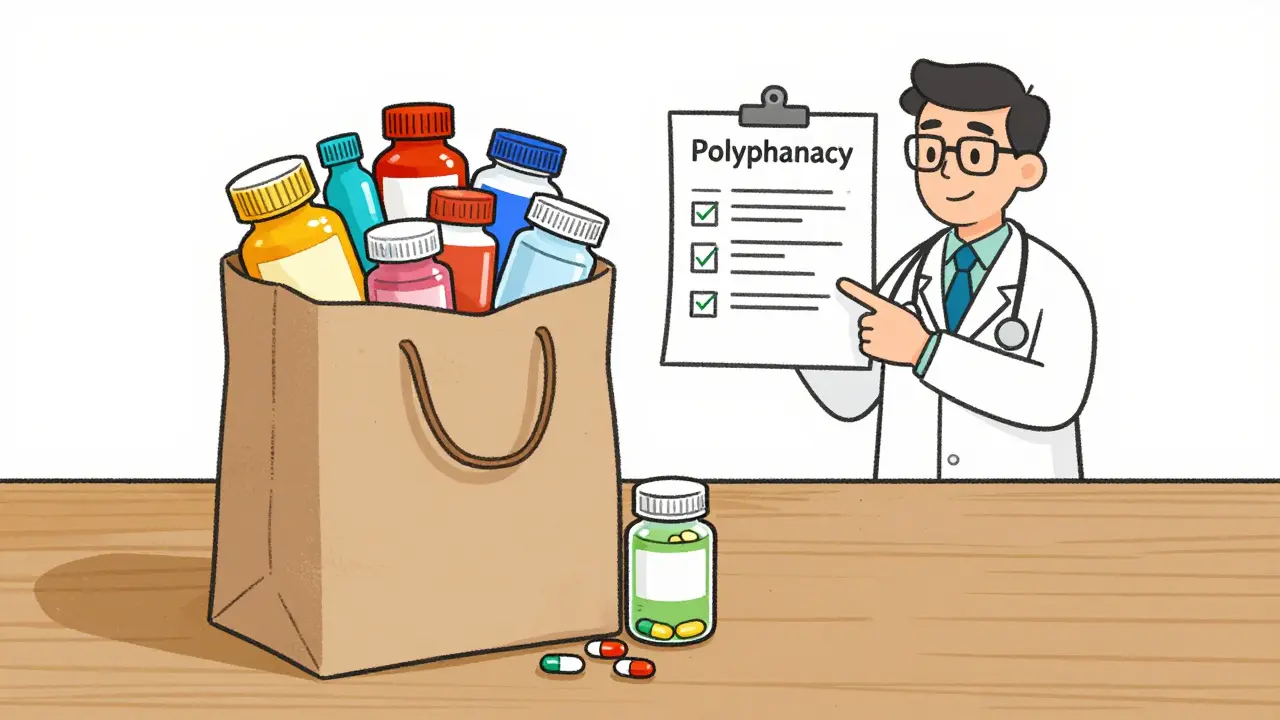
To catch mistakes, you first need to understand why they occur so frequently in elderly care. The primary culprit is polypharmacy, which refers to the use of multiple medications simultaneously-often five or more. As we age, our bodies change. Kidney function declines, liver metabolism slows, and body composition shifts, meaning drugs stay in the system longer and work differently. A dose that was safe ten years ago might be toxic today.
Cognitive impairments also play a significant role. Conditions like dementia or mild cognitive decline can make it difficult for seniors to communicate side effects or remember if they took a pill. Furthermore, healthcare systems are complex. When a patient moves from a hospital to a nursing home, or from a specialist back to a primary care doctor, information often gets lost in translation. This lack of continuity leads to prescribing errors, which account for nearly 38% of all medication mistakes in this demographic.
Common Types of Medication Errors to Watch For
Not all errors look the same. Some are obvious, like finding an empty bottle when no pills were given. Others are subtle and require keen observation. Research from the Medication Error Quality Initiative highlights specific patterns you should monitor:
- Wrong Dosage: This is the most common error, occurring in over 42% of cases. It involves giving too much or too little of a drug. For example, a nurse might accidentally administer two tablets instead of one, or crush a time-release pill, causing the entire dose to hit the bloodstream at once.
- Wrong Timing: About 23% of errors involve administering medication at the incorrect time or rate. Antibiotics need to be taken on a strict schedule to remain effective. If doses are skipped or clustered together, the treatment fails, or toxicity builds up.
- Wrong Medication: In nearly 16% of cases, the wrong drug is given entirely. This often happens when medications look similar or have similar names (like Lasix vs. Lexapro). Always check the label against the prescription list.
- Administration Technique Errors: Roughly 12% of errors involve how the drug is delivered. Eye drops might be missed, or inhalers might not be used correctly, rendering the medication useless.
A critical concept to know is the Beers Criteria®. Updated by the American Geriatrics Society in 2023, this list identifies 34 high-risk medications that are generally inappropriate for older adults due to severe side effects. Drugs like certain anticholinergics, benzodiazepines for sleep, and some painkillers fall into this category. If your loved one is prescribed any of these, ask the doctor why they are necessary and if safer alternatives exist.
Identifying Red Flags in Daily Care
You don’t need a medical degree to spot problems. Pay attention to changes in behavior and physical state. Here are practical signs that a medication error may have occurred:
Sudden Confusion or Agitation: If your relative is usually calm but suddenly becomes agitated, confused, or aggressive, check their recent medication log. New additions or dosage increases can trigger delirium.
Unexplained Falls or Dizziness: Many medications lower blood pressure or cause sedation. If your loved one falls or complains of lightheadedness upon standing, review their blood pressure meds and sedatives.
Gastrointestinal Issues: Nausea, vomiting, constipation, or diarrhea can signal that a medication is not agreeing with them or that the dose is too high. Opioids and antibiotics are frequent offenders here.
Skin Reactions: Rashes, hives, or itching can indicate an allergic reaction to a new drug. Document these with photos and report them immediately.
Keep a personal log. Write down what medications were given, when, and any immediate reactions. Compare this with the facility’s administration records. Discrepancies between your log and their records are major red flags.
The Importance of Medication Reconciliation
One of the most effective ways to prevent errors is through comprehensive medication reconciliation. This is the process of creating the most accurate list possible of all medications a patient is taking-including name, dose, frequency, and route-and comparing it against the physician’s admission orders, transfer orders, and discharge orders.
Dr. Lucian Leape, a renowned patient safety expert, notes that proper reconciliation at every care transition can prevent up to 67% of adverse drug events in patients taking five or more medications. However, this step is often rushed or skipped. As a family member, you must insist on this happening every time your loved one is discharged from the hospital or transferred between facilities.
Bring a brown bag to every appointment. Put all current medications, supplements, and vitamins in a bag. Let the doctor or pharmacist verify each one. This simple act catches duplicates, interactions, and outdated prescriptions.
How to Report Medication Mistakes Effectively
If you suspect an error, action is required. Silence allows mistakes to continue. Reporting serves two purposes: it addresses the immediate harm to your loved one and helps improve the system to protect others.
Step 1: Immediate Notification
If the error is life-threatening (e.g., breathing difficulty, severe allergic reaction, unconsciousness), call emergency services immediately. Then, notify the charge nurse or facility administrator on duty. Demand that an incident report be filed right then and there. Do not accept verbal assurances that “it will be handled later.”
Step 2: Document Everything
Write down the date, time, name of the staff member involved, the medication in question, and what happened. Take photos of the medication bottles, packaging, and any physical symptoms. Save all communication, including emails or text messages with facility staff.
Step 3: Use Official Reporting Channels
Facilities have internal reporting systems, but these are often voluntary and confidential. While useful for internal improvement, they may not trigger external oversight. For serious issues, use external resources:
- Long-Term Care Ombudsman Program: These are independent advocates for residents. You can contact them via 1-800-677-1116. They investigate complaints and help resolve conflicts between families and facilities.
- State Health Departments: Each state has specific timelines for reporting serious medication errors. For instance, California requires notification within 24 hours for certain incidents, while New York allows 48 hours. Check your local regulations.
- FDA MedWatch: For serious adverse events or product quality issues, report directly to the FDA via their MedWatch program. This helps track national trends in drug safety.
Step 4: Follow Up
After reporting, ask for a copy of the investigation findings. Facilities are required to inform you of corrective actions taken. If you feel the response is inadequate, escalate the issue to the state survey agency or consider legal counsel.
| Reporting Channel | Type | Best For | Response Time |
|---|---|---|---|
| Internal Facility Report | Voluntary/Confidential | Minor errors, systemic improvements | Varies (often slow) |
| Long-Term Care Ombudsman | Independent Advocacy | Disputes, neglect, unresolved complaints | Within days |
| State Health Department | Mandatory Regulatory | Life-threatening errors, violations | 24-72 hours (state-dependent) |
| FDA MedWatch | Federal Surveillance | Adverse drug reactions, product defects | Variable (data collection focus) |
Prevention Strategies for Families
While reporting is crucial, prevention is better. Here are actionable steps to reduce risk:
Use Technology: Encourage the use of electronic medication administration records (eMAR) and barcode scanning systems. These technologies reduce administration errors by up to 86%. Ask if the facility uses these tools.
Promote Health Literacy: Dr. Dean Schillinger emphasizes that health literacy assessment is key. Use the “teach-back” method: ask your loved one to explain back to you what each medication does and when to take it. If they cannot, they likely do not understand their regimen.
Regular Reviews: Schedule quarterly medication reviews with a pharmacist. Pharmacists are experts in drug interactions and dosing. They can identify unnecessary medications and suggest simplifications.
Advocate for Simplification: Fewer medications mean fewer chances for error. Ask doctors if any drugs can be stopped or combined. Challenge the status quo politely but firmly.
Overcoming Barriers to Reporting
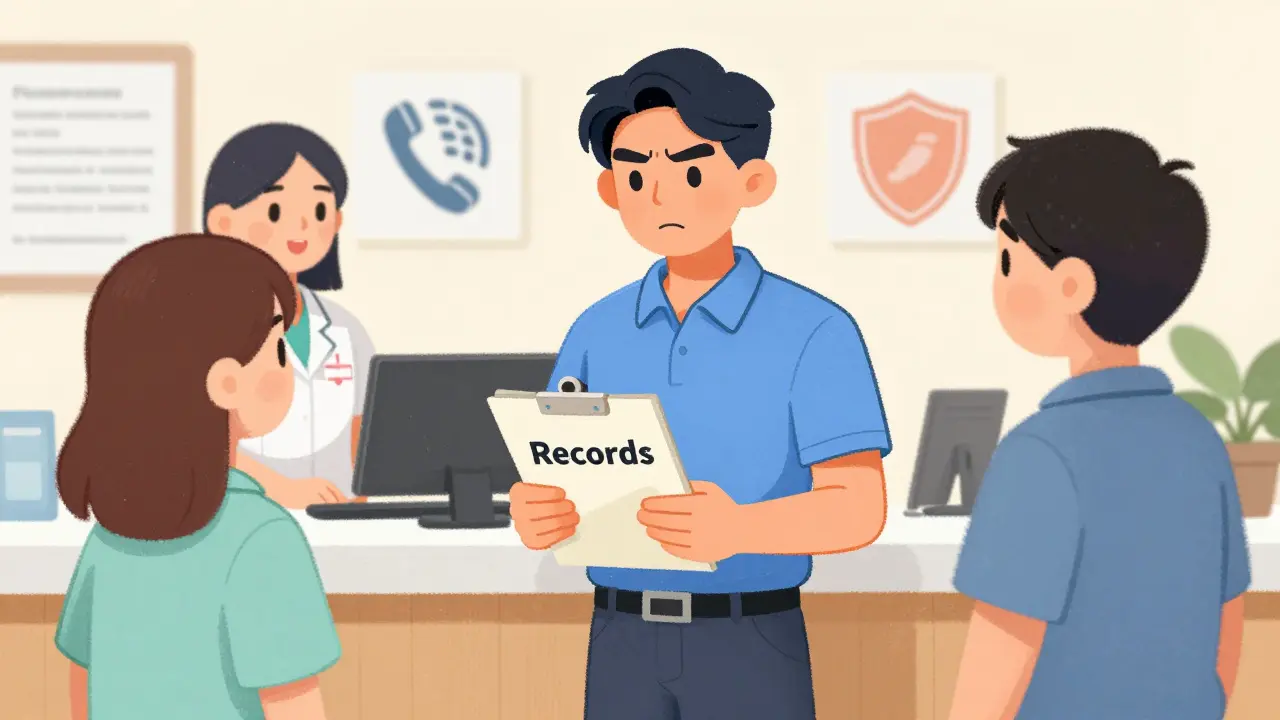
Many families hesitate to report errors due to fear of retaliation or being labeled “difficult.” Unfortunately, studies show that 83.6% of families encounter initial denial of errors by staff, with some facilities blaming “confused residents” for mistakes. This gaslighting tactic is unacceptable.
Remember, reporting is your right. It is not an accusation; it is a safety measure. Most reputable facilities welcome feedback because it helps them improve. If you face resistance, document the refusal and contact the Ombudsman. Your advocacy protects not only your loved one but also future residents.
What should I do if I catch a nurse giving the wrong medication?
Stop the administration immediately if safe to do so. Notify the charge nurse or supervisor on duty right away. Demand that an incident report be filed before leaving the scene. Document the event with details including time, staff name, and medication involved. Follow up with the facility administrator and consider contacting the Long-Term Care Ombudsman if the facility is uncooperative.
How long do I have to report a medication error in my state?
Timelines vary by state. For example, California requires reporting within 24 hours for certain serious incidents, New York allows 48 hours, and Texas specifies 72 hours. Check your state’s health department website or consult with a local elder law attorney for precise regulations. Immediate notification to the prescribing physician is always recommended for life-threatening errors.
What is the Beers Criteria and why does it matter?
The Beers Criteria is a list of medications identified by the American Geriatrics Society as potentially inappropriate for older adults due to increased risks of side effects. It matters because nearly 44% of Medicare beneficiaries aged 65+ are prescribed at least one of these high-risk drugs. Reviewing your loved one’s prescriptions against this list can help prevent harmful adverse events.
Can medication errors lead to legal action?
Yes, serious medication errors that result in harm can lead to malpractice lawsuits or regulatory fines. Facilities face penalties under laws like the Nursing Home Reform Act. However, the primary goal of reporting should be patient safety and systemic improvement. Legal action is typically a last resort after other avenues have failed to resolve the issue.
How can I ensure medication reconciliation happens during hospital discharge?
Bring all current medications in a brown bag to the hospital. Insist on a face-to-face meeting with the discharge planner or pharmacist. Verify that the new discharge list matches what was discussed. Ask for a printed summary and ensure the primary care doctor receives a copy. Do not leave until you fully understand the new regimen.