
Walk into your local pharmacy today, and you might expect a quick transaction: hand over a prescription, get the pills, leave. But look closer at what’s happening behind the counter. The role of the community pharmacist is a licensed healthcare professional who dispenses medications and provides clinical advice to patients has shifted dramatically. They are no longer just dispensers of medicine; they are frontline advocates for public health, specifically through two powerful tools: administering vaccines and promoting the use of affordable generic drugs.
This shift isn’t just about convenience. It’s about survival in a healthcare system that often leaves gaps in coverage and access. When pharmacists step up to advocate for immunizations and cost-effective generics, they fill critical voids left by busy primary care offices and complex insurance systems. Understanding how this works-and why it matters-can help you make better decisions about your own health and wallet.
The Evolution from Dispenser to Immunizer
To understand where we are now, we have to look back. In 1995, only nine states allowed pharmacists to administer vaccines. Fast forward to today, and that authority extends across all 50 states, the District of Columbia, and Puerto Rico. This wasn’t an overnight change. It was driven by data showing that people simply weren’t getting vaccinated at their doctor’s office.
Pharmacist-administered immunization is the practice of licensed pharmacists screening, counseling, and injecting patients with FDA-approved vaccines became a necessity because of accessibility. According to recent data, 93% of Americans live within five miles of a community pharmacy. Compare that to the wait times for a primary care appointment, which can stretch weeks or even months. Pharmacies offer extended hours, walk-in availability, and no need for appointments. During the COVID-19 pandemic, this model proved its worth, with pharmacists serving as the backbone of national vaccination efforts.
But advocacy goes beyond just having the legal right to inject. It involves active patient education. Pharmacists spend an average of seven to ten minutes per patient discussing vaccine benefits, addressing fears, and debunking myths. For example, during the rise of mRNA technology, many patients had questions about safety. Pharmacists, trained in the latest science, served as trusted resources to explain how these vaccines worked, directly combating hesitancy in their communities.
Why Generic Prescriptions Matter More Than Ever
While vaccines prevent disease, generic drugs treat it affordably. The push for generic medication is a pharmaceutical product equivalent to a brand-name drug in dosage, safety, strength, and intended use, but sold under a different name at a lower cost is one of the most effective ways pharmacists advocate for financial health. Brand-name drugs can cost hundreds of dollars more than their generic counterparts, yet they contain the same active ingredients.
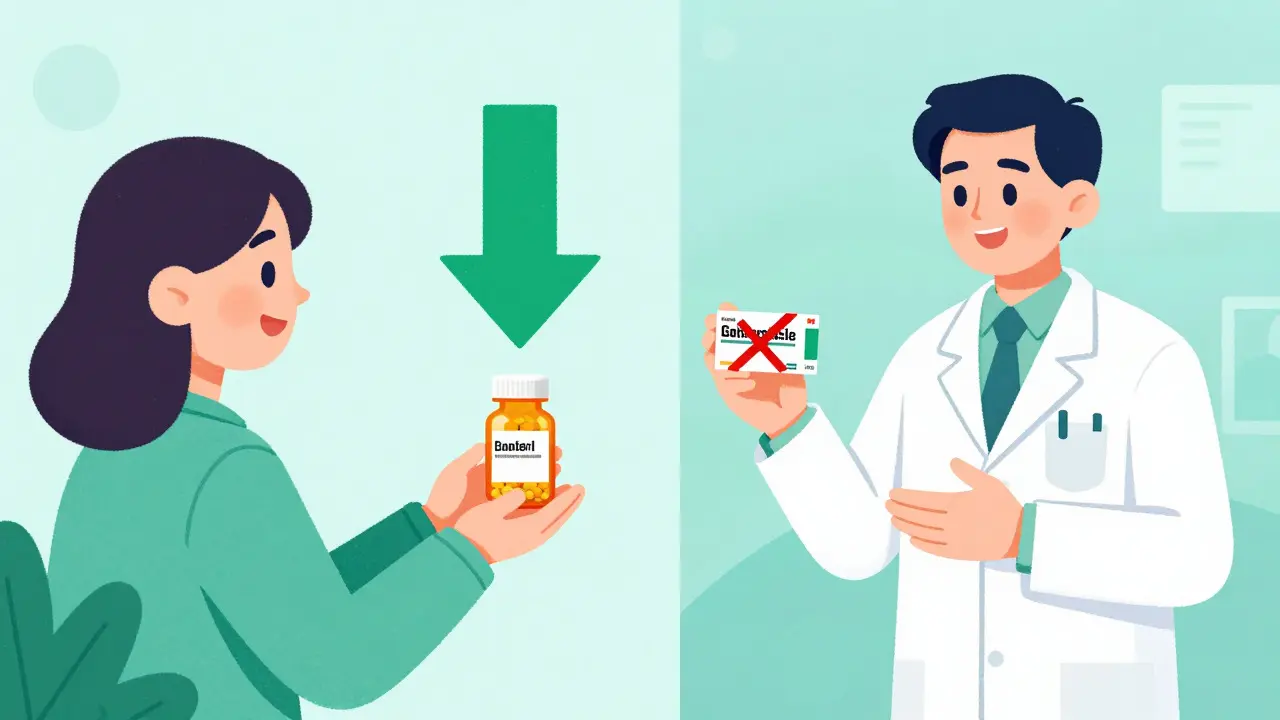
When a doctor prescribes a brand-name drug, a proactive pharmacist will often ask if a generic alternative is acceptable. This simple conversation can save a patient thousands of dollars annually. However, this advocacy faces headwinds. Pharmacy Benefit Managers (PBMs) play a huge role in determining reimbursement rates. Recent reports indicate that 78% of independent pharmacists say PBM practices negatively impact their ability to provide care, including pushing for cheaper generics that might not always be the best clinical fit, or conversely, making it hard to get paid fairly for the service of managing these transitions.
Pharmacists advocate for generics not just to save money, but to ensure adherence. If a patient can’t afford their medication, they skip doses. By ensuring access to low-cost generics, pharmacists keep patients healthy and out of the emergency room. It’s a win-win for individual health and the broader healthcare system.
The Accessibility Advantage: Data Behind the Counter
Let’s talk numbers, because they tell a compelling story. Community pharmacies administered 32% of all adult influenza vaccinations in the U.S. during the 2019-2020 season. Chain pharmacies alone gave out over 35 million flu shots in the 2022-2023 season. That’s roughly 38% of all adult flu vaccinations in the country.
Why do people choose pharmacies? Convenience is king. An 87% of surveyed patients cited convenience as the primary reason for choosing a pharmacy over a doctor’s office for vaccines. No waiting rooms, no long holds on the phone, and staff who know your medication history intimately. This familiarity allows pharmacists to spot potential interactions between new vaccines and existing medications, adding a layer of safety that standalone clinics sometimes miss.
| Feature | Community Pharmacy | Primary Care Office |
|---|---|---|
| Appointment Required | No (Walk-ins welcome) | Yes (Often weeks in advance) |
| Average Wait Time | Minimal (15-30 mins) | Long (60+ mins common) |
| Hours of Operation | Extended (Evenings/Weekends) | Standard Business Hours |
| Medication History Access | Direct (Dispensing record) | Limited (Requires records transfer) |
| Patient Education Time | 7-10 minutes avg. | Variable (Often rushed) |
Barriers to Advocacy: Payment and Policy Patchworks
If pharmacists are so crucial, why aren’t they doing even more? The answer lies in the broken payment models. Advocacy requires time, and time costs money. Currently, many pharmacists report inadequate reimbursement for vaccine administration. In Medicare Part B settings, reimbursement rates often fail to cover the actual cost of providing the service. The Medicare Payment Advisory Commission found that current rates cover only 87% of the actual cost in community pharmacy settings.
Then there’s the regulatory maze. While all states allow pharmacists to vaccinate, the rules vary wildly. Some states have age restrictions, preventing pharmacists from vaccinating children under a certain age. Others require specific continuing education or certification protocols. This "patchwork" of laws creates administrative burdens. One California pharmacist noted that navigating these varying state laws limits their ability to provide consistent care. For independent pharmacies, which account for 22% of the market, these inefficiencies can be financially devastating.
Furthermore, electronic health record (EHR) integration remains a hurdle. Dr. William Schaffner of Vanderbilt University Medical Center points out that while pharmacists are valuable providers, coordination with primary care is essential. If a pharmacist administers a vaccine but it doesn’t automatically appear in the patient’s main medical record, opportunities for other recommended care might be missed. Better data sharing is key to true integrated care.

What This Means for You: How to Leverage Pharmacy Services
So, how can you benefit from this evolution? First, view your pharmacist as a partner, not just a vendor. Ask them about generic alternatives before picking up a brand-name script. Ask if they can administer vaccines that are part of your annual check-up list. Many states now allow pharmacists to order and interpret diagnostic tests, such as strep swabs or flu tests, further expanding their role.
Second, be aware of your rights. In most jurisdictions, you have the right to receive a generic substitution unless your doctor explicitly marks the prescription "Dispense as Written." If you’re paying out of pocket, always ask for the cash price of the generic-it’s often significantly lower than the copay for the brand name.
Finally, support policies that expand access. Organizations like the American Pharmacists Association (APhA) are lobbying for fairer reimbursement rates and the removal of age restrictions. The "Finish the Fight" campaign has mobilized thousands of letters to Congress to improve Pharmacy Benefit Manager reform. Public support helps ensure that pharmacists can continue to serve as accessible healthcare hubs without going bankrupt.
The Future of Pharmacy-Based Care
Looking ahead, the trend is clear. Industry analysts predict that by 2026, pharmacists will administer over 50% of all adult vaccinations in the United States. The market for pharmacy immunization services has grown from $1.2 billion in 2015 to an estimated $4.7 billion in 2023. This growth isn’t just commercial; it’s a reflection of trust. Patients trust their pharmacists with their health information, and that trust translates into higher vaccination rates and better medication adherence.
However, sustainability depends on solving the payment issue. Without fair reimbursement, independent pharmacies-the ones that often serve rural and underserved areas-may close. The goal is a system where pharmacists are fully utilized in the nation’s immunization infrastructure, supported by integrated records and fair pay. Until then, they will continue to advocate, one vial and one pill bottle at a time.
Can pharmacists prescribe generic medications?
In most cases, pharmacists cannot independently prescribe new medications, but they can substitute brand-name drugs with generic equivalents if authorized by the prescribing physician and state law. Some states are expanding pharmacist prescribing rights for minor ailments and preventive care, allowing them to initiate treatment for conditions like smoking cessation or travel health needs.
Is it safe to get vaccines at a pharmacy instead of a doctor's office?
Yes, it is highly safe. Pharmacists undergo rigorous training, including the APhA Pharmacy-Based Immunization Delivery certificate program, which takes 20-30 hours of didactic and practical instruction. They are trained to screen for contraindications, manage adverse reactions, and store vaccines properly to prevent spoilage.
Why are generic drugs cheaper than brand-name drugs?
Generic drugs are cheaper because manufacturers don't have to repeat the expensive clinical trials required for new brand-name drugs. Once a patent expires, other companies can produce the same active ingredient. Competition drives prices down, often resulting in savings of 80-85% compared to the brand-name version.
Do I need an appointment to get a flu shot at the pharmacy?
Most community pharmacies accept walk-ins for flu shots, though scheduling an appointment online can reduce wait times. Because pharmacies operate with extended hours and weekends, they offer much greater flexibility than traditional medical offices.
How do pharmacists help with vaccine hesitancy?
Pharmacists act as trusted educators. They spend time listening to patient concerns, providing evidence-based information, and explaining the science behind vaccines. Studies show that personalized conversations with pharmacists significantly increase vaccination uptake among hesitant individuals.