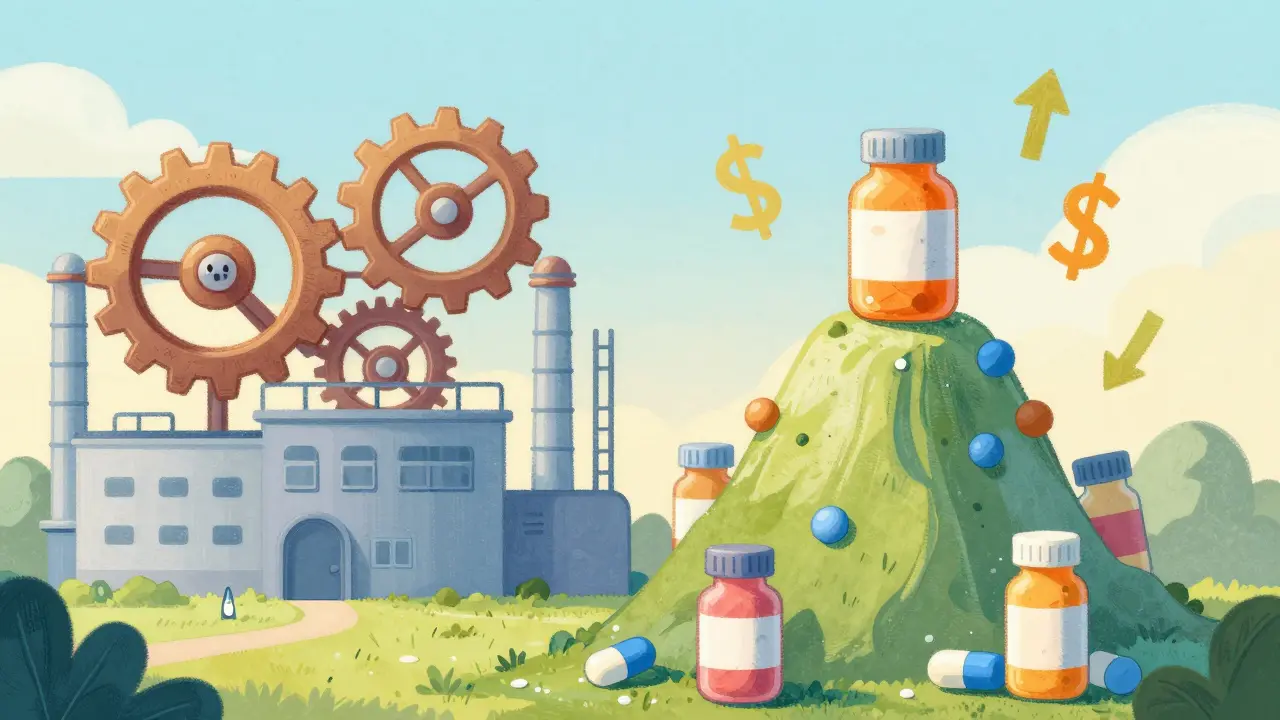
Imagine a world where the cost of life-saving medication drops by nearly 90% simply because a patent expired. That is the power of generic drugs, which are pharmaceutical products that replicate the safety, efficacy, and quality of brand-name medications after their patents expire. As we move through 2026, the economic landscape for these essential medicines is shifting dramatically. The generic drug market is not just growing; it is evolving into a complex engine driving global healthcare affordability. But what exactly does the future hold? Will prices continue to fall, or will new complexities drive costs back up?
The short answer is growth-massive, undeniable growth. However, the path there is no longer a straight line. It involves navigating patent cliffs, rising manufacturing costs, and the emergence of complex biologics. For policymakers, investors, and patients alike, understanding these trends is crucial. This article breaks down the forecasts, the drivers, and the regional shifts shaping the next decade of the generic pharmaceutical industry.
Market Size and Growth Projections
When you look at the numbers, the generic drug market is booming, but analysts disagree on the exact speed of that boom. Why the variance? Different firms use different methodologies to calculate market size, often debating whether to include certain biosimilars or how to account for currency fluctuations in emerging markets.
As of 2024, the global generic drugs market was valued between $386 billion and $491 billion. By 2030, projections range from a conservative $530 billion to an optimistic $947 billion. Here is how the major research firms see it:
| Research Firm | 2024/2025 Value | 2030 Projection | CAGR (Annual Growth Rate) |
|---|---|---|---|
| Mordor Intelligence | $431.10 billion (2025) | $530.32 billion | 4.23% |
| Strategic Market Research | $386.1 billion (2024) | $643.8 billion | 6.8% |
| DrugPatentWatch | $488-$491 billion (2024) | $700-$800 billion | 5-8% |
| BCC Research | $435.3 billion (2023) | $655.8 billion (by 2028) | 8.5% |
Even the most conservative estimates suggest a multi-hundred-billion-dollar expansion. The key takeaway? The era of cheap generics is not ending; it is expanding. However, the definition of "generic" is changing, as we will see later with the rise of biosimilars.
The Patent Cliff: A Gold Rush for Generics
The biggest driver of this growth is simple: patents are expiring. When a blockbuster drug loses its exclusivity, generic manufacturers can enter the market, driving prices down and volume up. Between 2025 and 2030, branded drugs generating between $217 billion and $236 billion in annual sales will lose market exclusivity.
This is not just about common painkillers or antibiotics. We are looking at high-revenue treatments for cancer, autoimmune diseases, and metabolic disorders. For example, monoclonal antibodies like ustekinumab and vedolizumab are beginning to lose exclusivity. This creates a $25 billion opportunity in oncology and immunology biosimilars by 2029 alone.
Why does this matter to you? If you are a patient, it means access to cheaper versions of cutting-edge therapies. If you are an investor, it signals where capital is flowing. Companies that can quickly develop and manufacture these post-patent versions will capture significant market share. The "first-to-file" advantage is becoming more critical than ever.
Biosimilars: The New Frontier
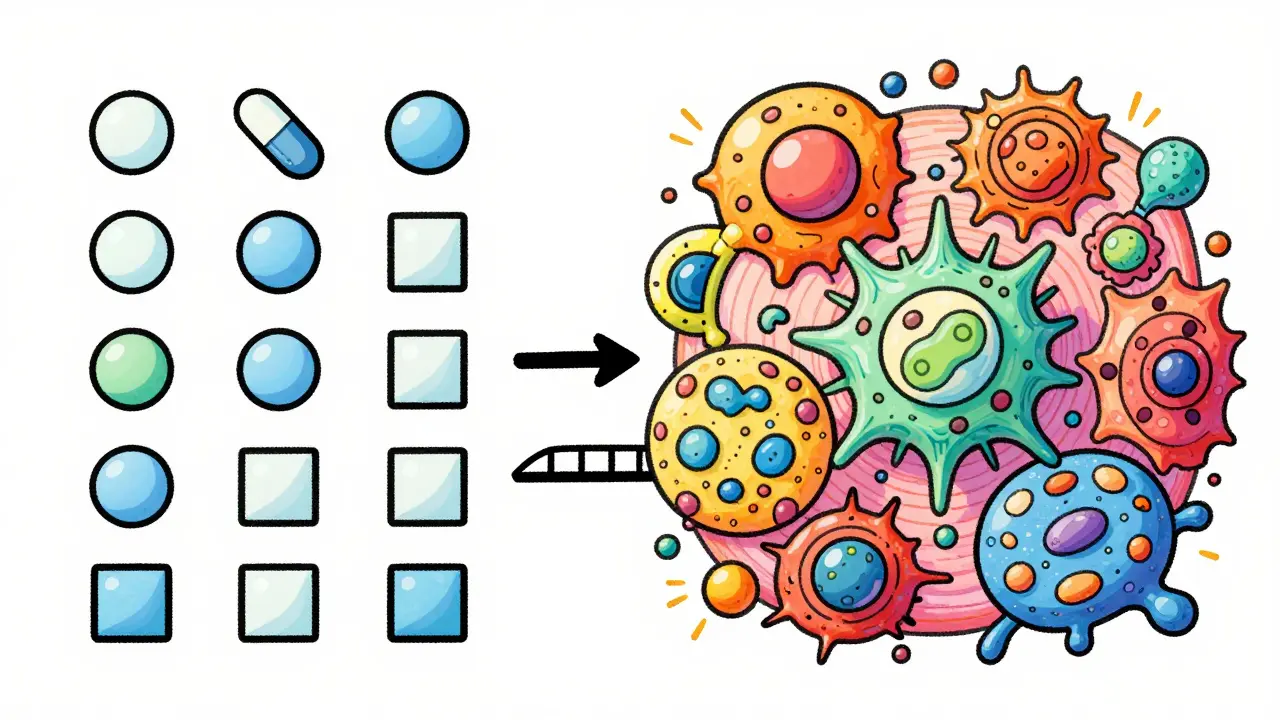
Traditional generics are small-molecule copies of drugs like aspirin or metformin. They are easy to make and verify. Biosimilars, however, are different. They are highly similar versions of biological drugs, which are made from living cells and are much more complex. Think of them as close relatives rather than identical twins.
Biosimilars are the fastest-growing segment of the generic market, projected to expand at an 8.20% CAGR through 2030. This outpaces traditional generics. Why? Because the drugs they replace are expensive, injectable treatments for serious conditions like rheumatoid arthritis and Crohn's disease.
Regulatory bodies in the EU and Japan are streamlining approval processes for biosimilars, shortening development timelines. In Southeast Asia, pooled-procurement pilots are awarding contracts to suppliers who can guarantee reliable supply chains. This shift requires generic manufacturers to invest heavily in sophisticated manufacturing capabilities. It’s no longer enough to be cheap; you must be precise and reliable.
Regional Shifts: Who Wins and Who Loses?
The generic drug market is not uniform. Growth patterns vary wildly by region, driven by local regulations, income levels, and healthcare infrastructure.
- Asia Pacific: This region is the growth engine. With an expected 8.19% CAGR from 2025-2030, countries like India and China are leading the charge. India supplies 20% of global generics volume and 60% of global vaccine demand. China’s volume-based procurement tenders are resetting global benchmark prices, forcing efficiency across the board.
- Europe: Germany and the UK remain leaders due to established regulatory pathways and policies that actively promote generic substitution. The European market is mature but stable, focusing on quality and compliance.
- LAMEA (Latin America, Middle East, Africa): These regions are underdeveloped but have huge potential. Countries like Brazil, Mexico, and South Africa are expanding their healthcare infrastructures. As regulatory frameworks improve, generic drug adoption is set to increase significantly.
- North America: The U.S. market is characterized by intense competition among giants like Teva, Viatris, and Sandoz. While growth rates may be lower than in Asia, the absolute dollar value remains massive due to higher pricing structures compared to other regions.
For manufacturers, this means a dual strategy: compete on price and scale in Asia, while competing on innovation and reliability in Europe and North America.
Therapeutic Areas Driving Demand
Not all generic drugs grow at the same rate. Demand is shifting toward chronic and complex conditions. Here are the key therapeutic areas to watch:
- Oncology: Cancer treatments remain the most valuable therapy area, with over $300 billion in forecasted sales by 2030. As patents on targeted therapies expire, generic versions will become crucial for affordable cancer care.
- Diabetes and Obesity: The prevalence of diabetes, hypertension, and obesity is soaring globally. Health systems are scaling generic adoption to moderate budgets. Watch for complex generics of GLP-1 agents like liraglutide, which are currently underserved in the cash-pay segments.
- Inflammatory Diseases: Drugs for inflammatory conditions are among the top sellers worldwide. With blockbusters like Dupixent and Skyrizi dominating the current market, their eventual patent expirations will create massive opportunities for generic entrants in the late 2030s.
- Antibiotics: Despite being older technology, generic antibiotics remain in high demand due to global health security concerns and the need for affordable infectious disease treatment.
Challenges and Risks
Growth doesn’t come without hurdles. The generic drug industry faces several significant challenges that could impact profitability and accessibility.
Pricing Pressures: In markets with aggressive volume-based procurement, such as China, prices are being driven down to near-cost levels. This squeezes margins for manufacturers, forcing them to cut costs elsewhere or exit less profitable markets.
Manufacturing Complexity: As the pipeline shifts toward complex generics and biosimilars, the barrier to entry rises. You can’t just mix chemicals in a vat anymore. You need advanced bioreactors, strict quality control, and specialized expertise. This favors large, well-funded companies over smaller players.
Supply Chain Vulnerabilities: Recent global events have highlighted the fragility of pharmaceutical supply chains. Dependence on single sources for active pharmaceutical ingredients (APIs) poses a risk. Diversification and localization of fill-and-finish lines are becoming strategic necessities.
Regulatory Uncertainty: Changes in FDA policies, EU directives, or national reimbursement rules can suddenly alter the competitive landscape. Staying compliant requires constant vigilance and adaptation.
Future Outlook: What Comes Next?
So, where do we go from here? The convergence of aging populations, healthcare cost containment pressures, and technological advancements creates a favorable environment for generic drugs. All major analysts project continued growth through 2030 and beyond.
We are moving toward a hybrid model. Simple generics will remain the backbone of primary care, offering low-cost solutions for common ailments. Meanwhile, biosimilars and complex generics will handle the heavy lifting for chronic and severe diseases. Technology will play a bigger role too, with robotic process automation improving manufacturing efficiency and data-driven tools enhancing patient adherence.
For the industry, the message is clear: adapt or stagnate. Invest in biosimilar capabilities, diversify your supply chain, and focus on therapeutic areas with high unmet needs. For patients and policymakers, the outlook is positive. Access to affordable, high-quality medication will likely improve, even as the science behind those medications becomes more complex.
What is the difference between a generic drug and a biosimilar?
A generic drug is a copy of a small-molecule brand-name drug, meaning it has the exact same chemical structure. A biosimilar is a highly similar version of a biological drug, which is made from living cells. Because biological molecules are larger and more complex, biosimilars cannot be identical copies but must demonstrate no clinically meaningful differences in safety, purity, and potency.
Why are generic drug prices falling in some regions?
Prices are falling primarily due to increased competition and government procurement strategies. In countries like China, volume-based procurement tenders force manufacturers to bid aggressively for large contracts, resetting global benchmark prices. Additionally, as more manufacturers gain the capability to produce complex generics, supply increases, driving down costs.
Which region is growing the fastest in the generic drug market?
The Asia Pacific region is experiencing the highest growth rate, with a projected CAGR of 8.19% from 2025 to 2030. India and China are the main drivers, benefiting from large patient populations, rising incomes, and supportive government policies promoting cost-effective healthcare solutions.
How do patent cliffs affect the generic drug market?
Patent cliffs occur when multiple blockbuster drugs lose their patent protection around the same time. This allows generic manufacturers to enter the market, leading to a surge in supply and a sharp drop in prices. For the generic industry, patent cliffs represent major revenue opportunities, especially for high-value drugs in oncology and immunology.
Are generic drugs as safe and effective as brand-name drugs?
Yes. Regulatory agencies like the U.S. FDA and the European Medicines Agency require generic drugs to meet the same strict standards for safety, efficacy, and quality as brand-name drugs. They must contain the same active ingredients, dosage form, strength, and route of administration. Biosimilars undergo rigorous comparability protocols to ensure they perform similarly to their reference biological products.