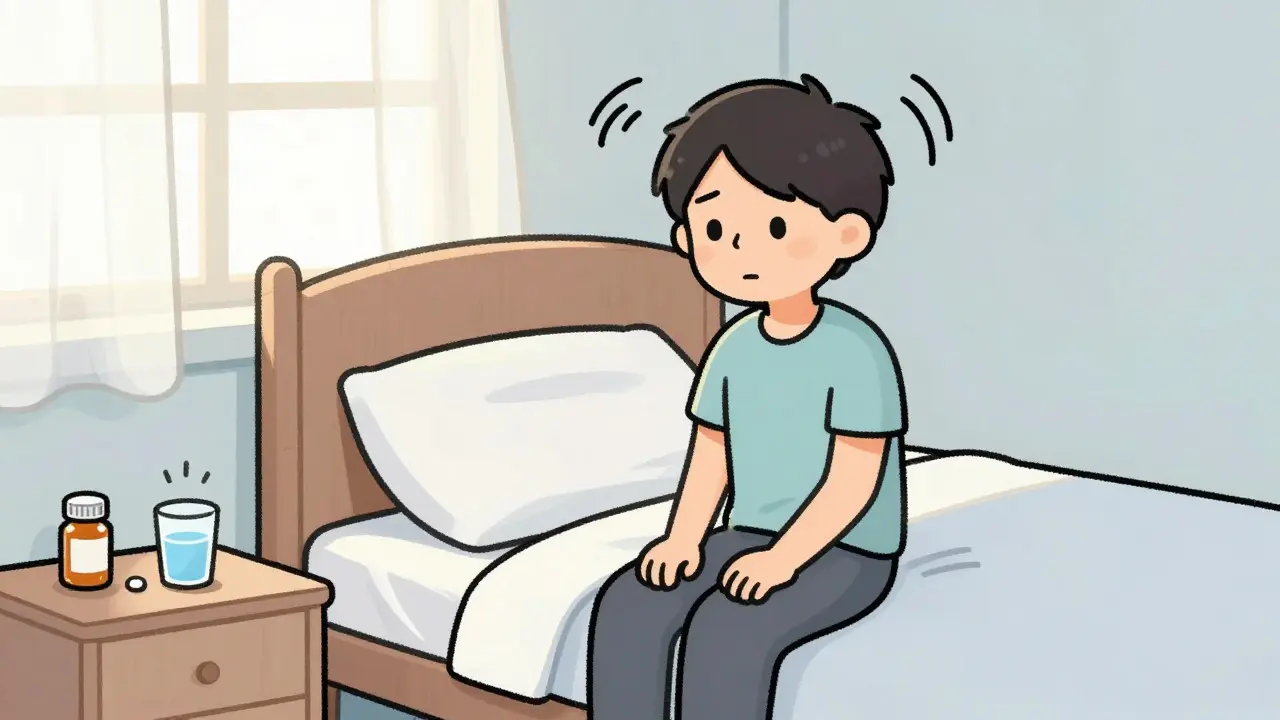
Imagine sitting down to take your morning medication for nerve pain, only to feel the room spin a few hours later. You’re not alone. For millions of people managing chronic pain or seizures, gabapentinoids are a class of medications including gabapentin and pregabalin used primarily for neuropathic pain and epilepsy have become a go-to prescription. But these drugs come with a tricky reputation. They work wonders for some, yet they carry risks of severe dizziness, falls, and even misuse that many patients don’t see coming.
The landscape of pain management has shifted dramatically over the last decade. What started as a niche treatment for epilepsy is now one of the most prescribed drug classes in the United States. With prescriptions skyrocketing from 39 million in 2005 to nearly 69 million by 2015, the question isn't just whether these drugs work-it’s how to use them safely. This guide breaks down the critical trio of safety concerns: getting the dose right, handling the dizzy spell, and preventing misuse.
Understanding Gabapentinoids: More Than Just Painkillers
To manage these drugs effectively, you first need to know what they actually are. Unlike traditional opioids that bind to specific receptors in the brain to block pain signals, gabapentin and pregabalin are gamma-aminobutyric acid (GABA) analogues that modulate calcium channels in the nervous system. Originally developed for epilepsy, they were repurposed for neuropathic pain-pain caused by damaged nerves, such as diabetic peripheral neuropathy or postherpetic neuralgia (shingles pain).
Gabapentin, sold under brand names like Neurontin, was approved by the FDA in 1993. Pregabalin, known as Lyrica, followed in 2004. While they share a similar mechanism, they aren't interchangeable without medical supervision. Gabapentin has variable absorption rates depending on food intake, while pregabalin is absorbed more consistently. Understanding this difference helps explain why your doctor might choose one over the other based on your lifestyle and metabolism.
Dosing Protocols: Start Low, Go Slow
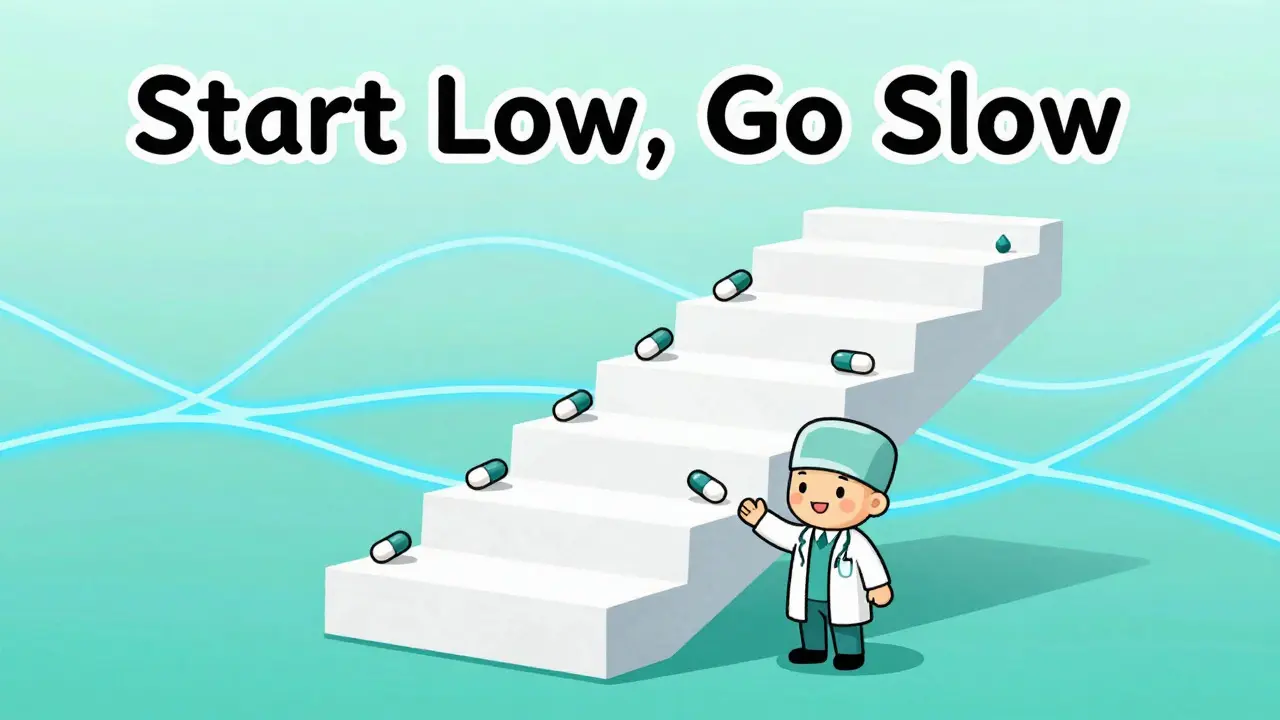
One of the biggest mistakes patients make is expecting immediate relief and pushing for higher doses too quickly. The golden rule for gabapentinoids is "start low, go slow." This isn't just advice; it's a clinical necessity to minimize side effects.
For gabapentin, the standard titration for neuropathic pain typically begins at 300 mg once daily on day one. By day two, this increases to 300 mg twice daily, and by day three, 300 mg three times daily. The maximum effective dose usually hovers between 1,800 mg and 3,600 mg daily, split into three doses. However, going beyond 1,800 mg often yields diminishing returns while significantly increasing the risk of side effects.
Pregabalin follows a different schedule. It usually starts at 75 mg twice daily, increasing after 3-7 days to 150 mg twice daily, with a maximum of 600 mg daily. Because pregabalin has a shorter half-life and more predictable absorption, it may provide faster relief but also requires careful monitoring to avoid sedation.
| Medication | Starting Dose | Target Dose Range | Maximum Daily Dose |
|---|---|---|---|
| Gabapentin | 300 mg once daily | 900-1,800 mg daily | 3,600 mg |
| Pregabalin | 75 mg twice daily | 150-300 mg twice daily | 600 mg |
If you have kidney issues, these numbers change drastically. Since gabapentinoids are eliminated almost entirely by the kidneys, impaired renal function means the drug stays in your body longer, leading to toxicity. For example, if your creatinine clearance (CrCl) is between 30-60 mL/min, your maximum gabapentin dose should drop to 900 mg daily. Always ask your doctor to check your kidney function before starting or adjusting your dose.
The Dizziness Factor: Why Your Head Spins
If there’s one side effect that defines the gabapentinoid experience, it’s dizziness. Clinical trials show that 20-30% of patients report feeling lightheaded or unsteady. A 2021 systematic review found that this risk jumps to nearly 33% when doses exceed 1,800 mg daily.
Why does this happen? These medications calm overactive nerves, which can inadvertently affect the vestibular system responsible for balance. For older adults, particularly those over 65, this isn't just an annoyance-it’s a fall hazard. The American Geriatrics Society’s Beers Criteria lists gabapentinoids as potentially inappropriate for elderly patients due to this high fall risk.
Here’s how to mitigate the spin:
- Taper slowly: Increase your dose every 5-7 days instead of every 2-3 days. This gives your brain time to adjust.
- Avoid evening doses initially: Taking your full dose at night can lead to morning grogginess and dizziness upon standing.
- Hydrate and rise slowly: Dehydration worsens dizziness. When getting up from a chair or bed, do so gradually to prevent orthostatic hypotension.
If dizziness persists despite dose adjustments, talk to your doctor. In some cases, switching from gabapentin to pregabalin-or vice versa-can reduce symptoms because individual responses vary widely.
Misuse Potential: The Hidden Risk
While gabapentinoids are not opioids, they are increasingly recognized for their misuse potential. The CDC reported a staggering 497% increase in gabapentin-involved overdose deaths between 2012 and 2020. Why? Because these drugs can enhance the euphoric effects of opioids and help alleviate withdrawal symptoms.
A 2022 study in the journal *Addiction* found that 15-22% of individuals with opioid use disorder deliberately seek out gabapentinoids to boost their high or smooth out withdrawals. At doses exceeding 3,600 mg daily, gabapentin can produce significant euphoria, making it attractive for recreational use.
This has led to tighter regulations. As of 2023, 49 U.S. states have classified gabapentin as a controlled substance or included it in prescription drug monitoring programs (PDMPs). If you have a history of substance use disorder, be transparent with your healthcare provider. Universal screening for addiction risk is now recommended before initiating therapy.
Safety Checklist for Patients and Providers
Navigating gabapentinoid therapy doesn’t have to be daunting if you follow a structured approach. Here’s a practical checklist to ensure safety:
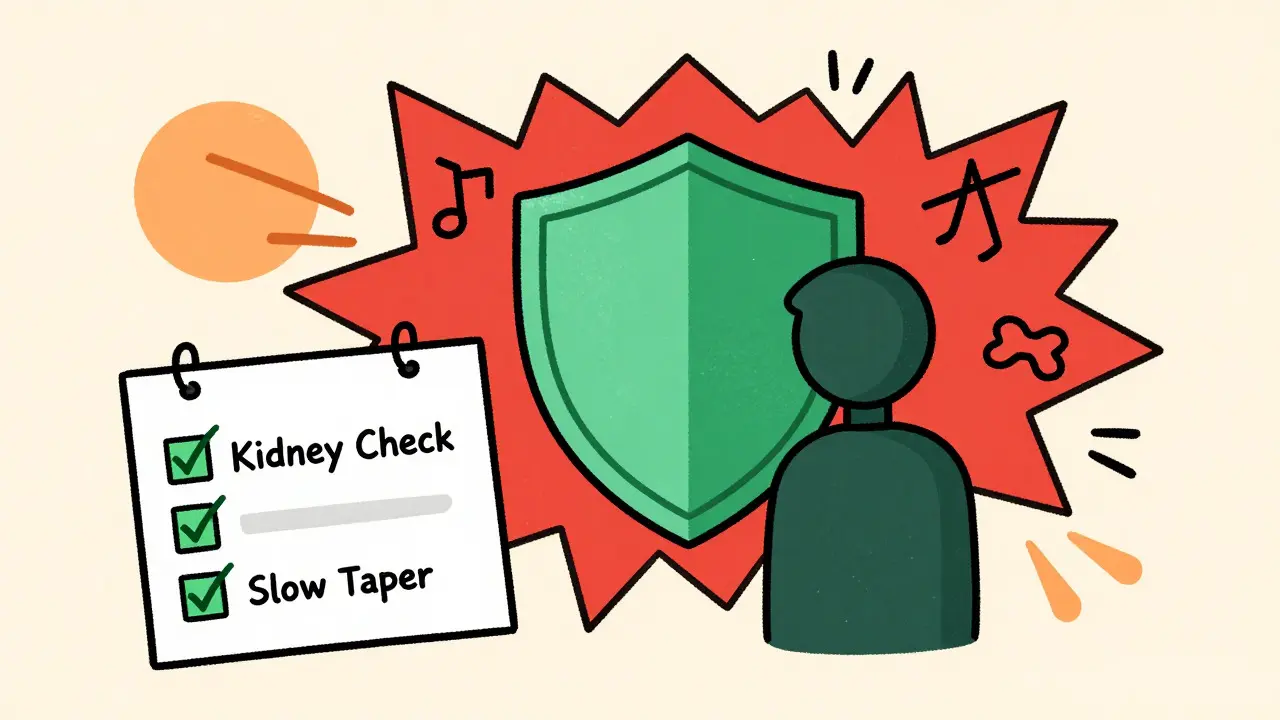
- Screening: Assess kidney function (eGFR/CrCl) and screen for substance use history before prescribing.
- Titration: Follow a slow escalation plan. Never jump to the maximum dose immediately.
- Monitoring: Check in weekly during the first month to assess dizziness and efficacy.
- Fall Prevention: Remove tripping hazards at home, especially for patients over 65.
- Discontinuation: Never stop abruptly. Taper off over at least 7 days to avoid withdrawal symptoms like anxiety, insomnia, and seizures.
Dr. Sarah Smith, lead author of the 2022 American Academy of Neurology guidelines, emphasizes that "doses above 1,800 mg/day for neuropathic pain provide minimal additional benefit while significantly increasing dizziness and fall risk." If you’re not feeling better at lower doses, pushing higher might not be the answer. Consider alternative therapies or combination treatments instead.
Real-World Experiences: What Patients Say
Data from patient forums paints a clear picture. On Reddit’s r/painmanagement, 78% of posts mentioning gabapentin cited dizziness as a primary concern. Many users reported that reducing their dose from 1,800 mg to 1,200 mg daily significantly improved their quality of life without sacrificing pain relief. Conversely, those who pushed past 2,400 mg daily faced higher discontinuation rates due to intolerable side effects.
These anecdotes align with clinical data. The key takeaway? There’s no one-size-fits-all dose. Your optimal dose is the lowest amount that provides meaningful pain relief with manageable side effects.
Future Directions: Safer Formulations and Guidelines
The regulatory landscape is evolving. The FDA issued updated labeling in September 2023, highlighting fall risks in the elderly and misuse potential. Pharmaceutical companies are developing abuse-deterrent formulations, such as extended-release gabapentin XR, designed to prevent rapid extraction for injection or snorting. While these innovations promise safer options, current best practices remain focused on careful prescribing and patient education.
As we move forward, the focus will likely shift toward personalized medicine-using biomarkers to predict who is susceptible to dizziness or misuse. Until then, staying informed and communicating openly with your healthcare team is your best defense.
How long does it take for gabapentin to stop causing dizziness?
Most patients experience dizziness during the first week of treatment or during dose increases. Symptoms typically subside within 3-7 days as the body adjusts. If dizziness persists beyond two weeks, consult your doctor to consider lowering the dose or switching medications.
Can I drink alcohol while taking gabapentin or pregabalin?
It is generally advised to limit or avoid alcohol. Both alcohol and gabapentinoids depress the central nervous system, which can amplify dizziness, drowsiness, and confusion. Combining them increases the risk of falls and respiratory depression, especially at higher doses.
What happens if I stop taking gabapentin suddenly?
Abrupt discontinuation can lead to withdrawal symptoms, including anxiety, insomnia, nausea, and in rare cases, seizures. Always taper off gradually under medical supervision, reducing the dose by no more than 300 mg every 3 days.
Is pregabalin stronger than gabapentin?
Pregabalin is often considered more potent per milligram because it has more consistent absorption and binds more tightly to its target receptors. However, "strength" varies by individual. Some patients respond better to gabapentin, while others find pregabalin more effective with fewer side effects.
Do I need blood tests while on gabapentinoids?
Regular kidney function tests are crucial, especially for older adults or those with existing renal issues. Since these drugs are cleared by the kidneys, impaired function can lead to toxic buildup. Your doctor may recommend checking creatinine levels quarterly or annually.