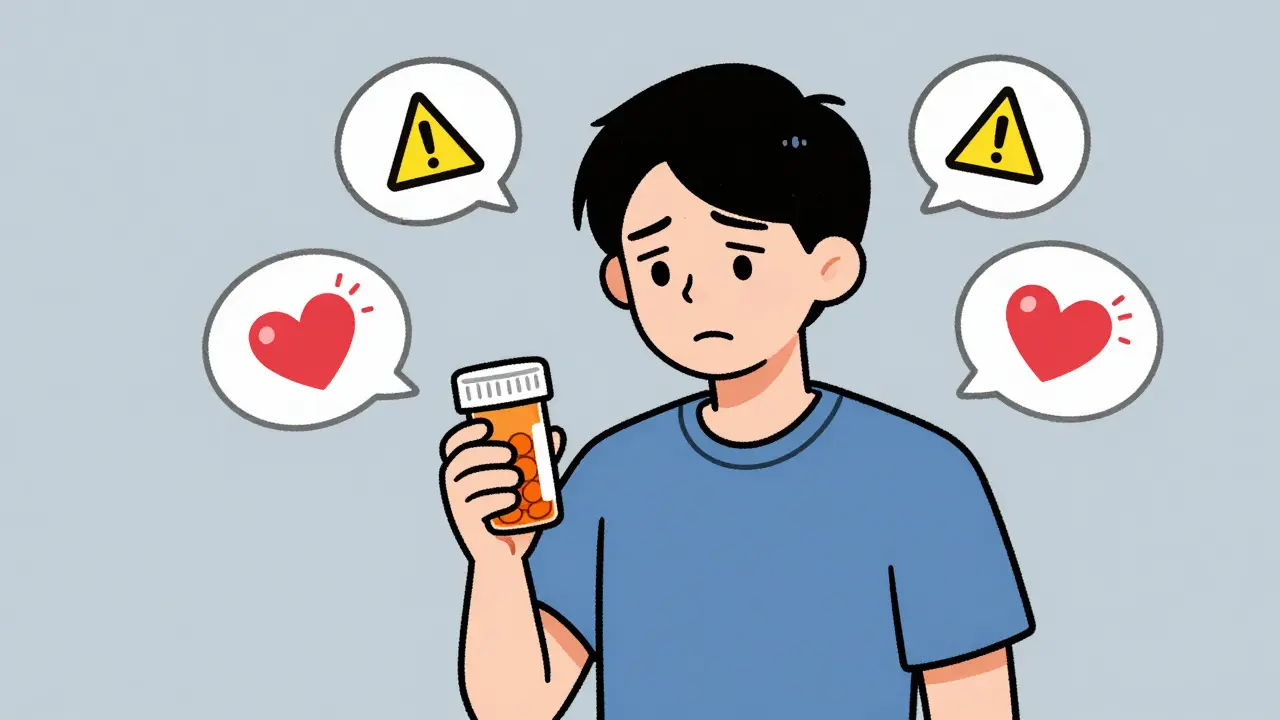
Medication Reaction Assessment Tool
Disclaimer: This tool is for educational purposes only and is NOT a substitute for professional medical advice. If you believe you are experiencing a life-threatening emergency, call 911 or your local emergency services immediately.
Most of us take a pill or a syrup and expect it to do one thing: fix the problem. But sometimes, the medicine itself becomes the problem. While a dry mouth or a bit of drowsiness is common, there is a world of difference between a "nuisance" side effect and a life-threatening emergency. The scary part is that many people ignore the early whispers of a dangerous reaction, thinking they just need to "power through" the first few doses. In reality, those whispers are often the only warning you get before a systemic collapse.
The goal here is simple: help you tell the difference between a normal adjustment period and a medical crisis. When you know exactly what to look for, you can stop a dangerous reaction before it causes permanent damage to your organs or becomes fatal. Here is what you need to watch for and how to handle it.
Quick Guide: When to Panic vs. When to Call Your Doctor
| Symptom Type | Immediate Emergency (Call 911) | Urgent Concern (Call Doctor < 24h) | Common Side Effect (Monitor) |
|---|---|---|---|
| Breathing | Tightening throat, gasping for air | Mild shortness of breath | None |
| Skin | Widespread hives, swelling of lips/tongue | New rash or itching | Mild dryness or acne |
| Heart/Chest | Crushing chest pain, pulse > 120 bpm | Palpitations, irregular beat | Slightly elevated heart rate |
| Mental State | Loss of consciousness, seizures | Severe confusion, extreme lethargy | Mild drowsiness |
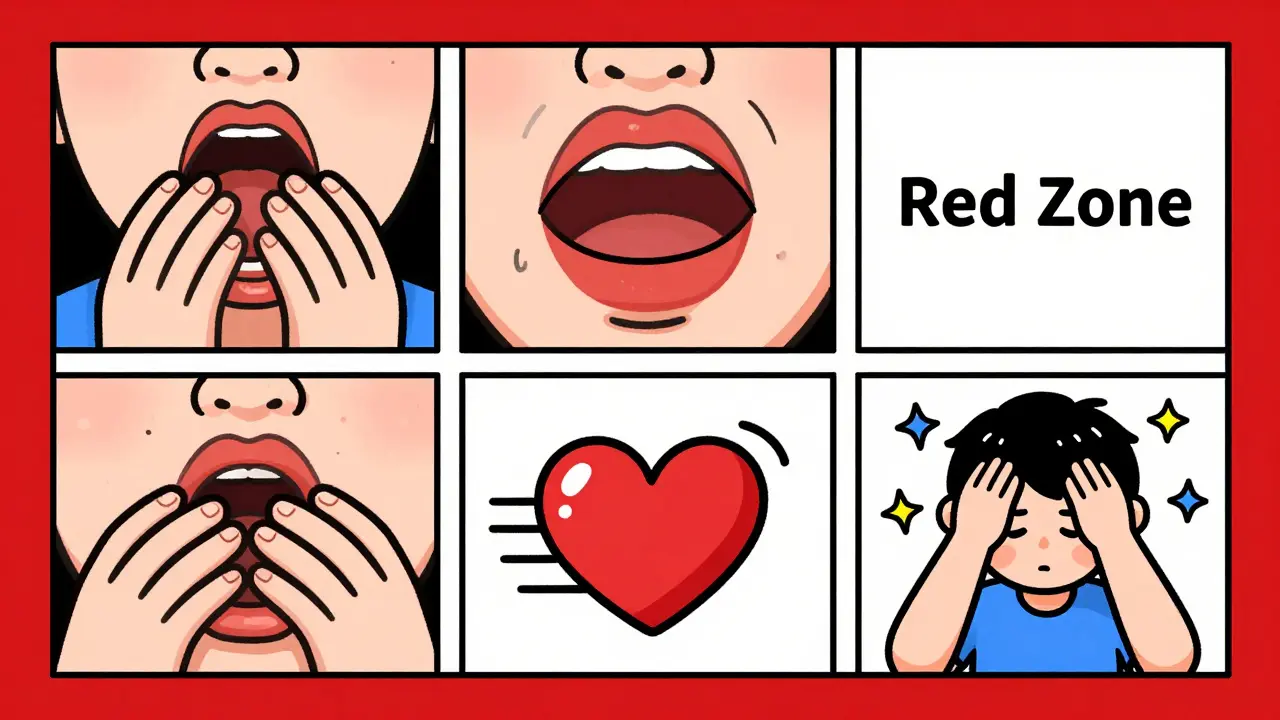
The Red Zone: Immediate Life-Threatening Reactions
Some reactions happen almost instantly. These are usually systemic, meaning they affect your whole body at once. The most critical of these is Anaphylaxis is a severe, potentially life-threatening allergic reaction that can cause shock, severely drop blood pressure, and restrict airways. It often hits within an hour of taking a dose.
If you see the following, stop everything and seek emergency help:
- Airway Collapse: Your throat feels like it is closing, or your voice becomes hoarse suddenly.
- Facial Swelling: Swelling of the lips, tongue, or around the eyes (angioedema).
- Cardiovascular Crash: A sudden drop in blood pressure (systolic below 90 mmHg) which can make you feel dizzy or cause you to faint.
- Rapid Heartbeat: A weak, fast pulse typically exceeding 120 beats per minute.
Medical experts, including those at the Mayo Clinic, emphasize that any breathing difficulty paired with hives should be treated as anaphylaxis until proven otherwise. Don't wait to see if it "goes away"-by the time your airway completely closes, it's often too late to treat effectively without advanced equipment.
Hidden Dangers: Organ Failure and Systemic Issues
Not all dangerous side effects are loud. Some are slow burns that destroy your Liver or Kidneys while you think you're just "tired." Organ failure is a significant cause of medication-related deaths, often because the symptoms are vague.
Watch for these specific clusters of symptoms:
Liver and Gallbladder Warning: If you notice jaundice, which is the yellowing of the skin and the whites of the eyes, combined with severe pain in the upper right side of your stomach, you are in a danger zone. This is common with high-dose methotrexate or some newer weight-loss drugs like Semaglutide. This combination can lead to fatal pancreatitis if not treated within 24 to 48 hours.
Kidney Failure Warning: A sudden drop in how much you urinate, accompanied by extreme fatigue and swelling in your ankles or abdomen (edema), suggests your kidneys are struggling to filter the medication. This is often an "invisible" side effect until the damage is irreversible.
Blood and Immune System: Be on high alert for unusual bruising or bleeding that doesn't stop. This can indicate internal hemorrhage or severe anemia. There is also a rare but dangerous condition called DRESS Syndrome (Drug Rash with Eosinophilia and Systemic Symptoms), which presents as a rash combined with swollen lymph nodes and a high white blood cell count. It's not just a "bad rash"; it's a systemic immune attack.
CNS Depression: When "Sleepy" is Dangerous
Many medications-especially opioids, benzodiazepines, or strong sedatives-list drowsiness as a side effect. But there is a line where drowsiness becomes Central Nervous System Depression.
You should be worried if:
- You are excessively drowsy to the point where you cannot be easily woken up.
- You experience profound confusion or disorientation.
- Your breathing becomes shallow or slow.
If a loved one is taking these meds and you find them difficult to rouse, this is a medical emergency. This isn't just a "deep sleep"; it's your brain forgetting to tell your lungs to breathe.
The Risk Factors: Who is Most Vulnerable?
Not everyone reacts to medication the same way. Your risk level changes based on your biology and what else is in your medicine cabinet.
The Age Factor: Adults over 65 are nearly three times more likely to experience dangerous side effects. This is because the body's ability to metabolize and clear drugs slows down. If you are a senior, a "standard" dose might actually be an overdose for your specific liver function.
Polypharmacy: This is the medical term for taking five or more medications at once. When you mix multiple drugs, the risk of a dangerous interaction jumps by 300%. One drug can block the breakdown of another, causing the second drug to build up to toxic levels in your bloodstream.
Genetic Predisposition: Some people are genetically wired to react poorly to specific drugs. This is why dangerous medication side effects can seem random. New pharmacogenomics research shows that screening for certain genes can reduce severe reactions-like those to the drug carbamazepine-by nearly 50%.
How to Protect Yourself: Practical Safety Steps
Prevention is better than a trip to the ER. Use these concrete strategies to manage your risk:
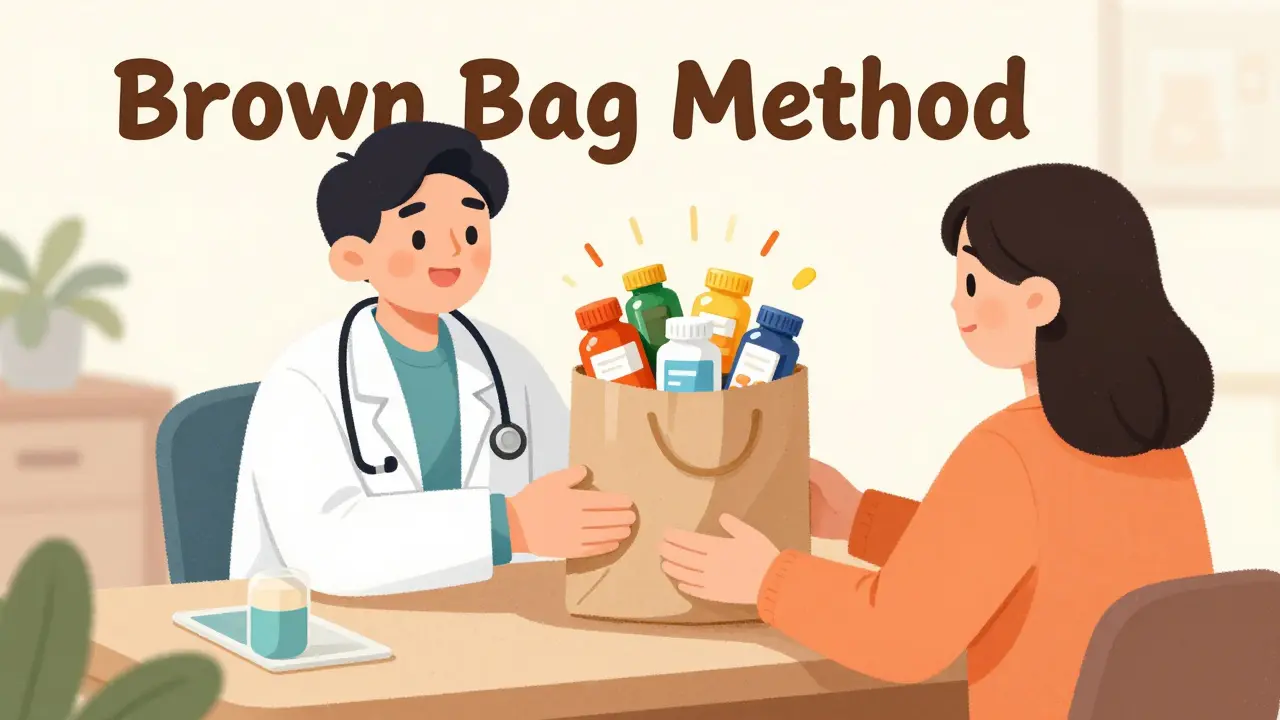
- The Brown Bag Method: Once a month, put every single thing you take-prescriptions, over-the-counter painkillers, vitamins, and herbal supplements-into a bag and take it to your doctor. This is the most effective way to spot potential interactions that could cause organ stress.
- Track the Timing: Note exactly when you take a dose and when a symptom starts. If a reaction happens within 1-2 hours, it is far more likely to be a dangerous allergic response than a gradual side effect.
- Monitor Baselines: Keep an eye on your skin tone, weight (sudden gain can mean kidney issues), and balance. If you suddenly start falling more often, it might not be "just old age"-it could be medication-induced dizziness.
- The Golden Rule of Discontinuation: Never, ever stop a prescribed medication abruptly without talking to your doctor. Stopping beta-blockers or antidepressants cold turkey can trigger withdrawal symptoms that are even more dangerous than the original side effects.
How do I know if a rash is just a mild reaction or something dangerous?
A mild rash is usually just itchy and localized. A dangerous rash is often accompanied by "systemic" symptoms: fever, swelling of the lymph nodes, or difficulty breathing. If the rash is spreading rapidly and you feel sick (flu-like symptoms), treat it as an emergency.
Is it normal to feel dizzy when starting a new medication?
Mild dizziness can be a common side effect. However, if the dizziness is accompanied by a very slow or very fast heart rate, or if you actually lose consciousness, it could indicate a cardiovascular side effect or a drop in blood pressure that requires immediate medical attention.
What is the first thing I should do if I suspect anaphylaxis?
Call emergency services (911 or your local equivalent) immediately. If you have a prescribed epinephrine auto-injector (like an EpiPen), use it right away. Do not wait to see if the symptoms improve, as airways can close in minutes.
Why do some side effects take weeks to appear?
While allergic reactions are usually fast, some dangerous effects are cumulative. This means the drug builds up in your system or slowly damages an organ (like the liver) over time. This is why long-term monitoring and blood tests are often required for certain medications.
Can vitamins and supplements cause dangerous side effects?
Yes. Supplements can interact with prescription drugs, either making them too strong (toxic) or canceling them out. For example, some herbal supplements can thin the blood, which, when combined with prescription anticoagulants, can lead to dangerous internal bleeding.
Next Steps for Patients and Caregivers
If you are currently taking a new medication, create a "Symptom Log." For the first 14 days, note any changes in your mood, skin, or energy levels. If you are a caregiver, watch for "behavioral shifts" in seniors-such as sudden confusion or increased falls-which are often the first signs of medication toxicity before physical symptoms appear.
For those taking high-risk medications, ask your doctor about pharmacogenetic testing. Knowing if your body lacks a specific enzyme to break down a drug can prevent a catastrophic reaction before the first pill is even swallowed.
12 Responses
The section on polypharmacy is a real eye-opener. Most people don't realize how a simple supplement can mess with a prescription drug's metabolic pathway in the liver.
It is absolutely critical to emphasize the role of the cytochrome P450 enzyme system when discussing drug interactions. Many medications compete for the same metabolic enzymes, which leads to a dangerous accumulation of the drug in the bloodstream. This is particularly prevalent in elderly patients whose renal clearance is already compromised. I would also suggest that patients maintain a digitized list of their medications to share with every provider they visit to ensure no contradictions are missed during a quick consultation. Proper titration is the only safe way to introduce new agents into a complex regimen.
The sheer audacity of suggesting a "brown bag method" as a primary safety strategy is laughably quaint. We are talking about systemic organ collapse and pharmaceutical toxicity, yet the solution offered is essentially a grocery shopping trip. The level of medical incompetence prevalent in our current healthcare system is truly a tragedy of epic proportions. It is a miracle anyone survives the pharmacy counter at all!
I never knew about the yellowing of the eyes thing! 😮 Definitely going to be more careful now. Thanks for the heads up! 😊
Honestly, I've always told my circle that just "feeling tired" is such a cliché symptom, but here we are. It's almost amusing how some people just ignore their bodies until they're literally failing. I mean, I'm all for a relaxed approach, but some of you really need to treat your health with a bit more sophistication. Just a little self-awareness goes a long way, sweeties!
Life is a journey of learning and we must care for our bodies with love. This is very good info for all of us! 🌟
My god, the part about the heart rate is just terrifing!! I had a bad reaction to a med once and I didnt even know my heart was racing like crazy untill I almost fainted... it is truly a miracle I am still here!! I think many of us just ignoure the signs because we are scared of the doctor's office.
Just vibing with the idea of a symptom log. Seems like a chill way to keep track without stressing out too much.
Pharmacokinetics and pharmacodynamics are the real deal here. If the bioavailability of the drug is too high due to a CYP2D6 polymorphism, you're basically cruising for a bruising. High Vd can also make the half-life a nightmare. Just keep it simple and get that genetic test.
I think the advice on not stopping medications abruptly is the most important part. Many people don't realize the danger of rebound hypertension or withdrawal syndromes.
It's honestly wild how we just trust the little paper inserts from the pharmacy. Most of those are written in a way that makes you ignore the actually scary stuff. This breakdown is way more dramatic and honest about the risks, which is exactly what people need to see before they end up in the ICU.
Look, just do the blood tests and stop overcomplicating it. If your doctor isn't ordering liver panels while you're on these drugs, find a new doctor. Simple as that.