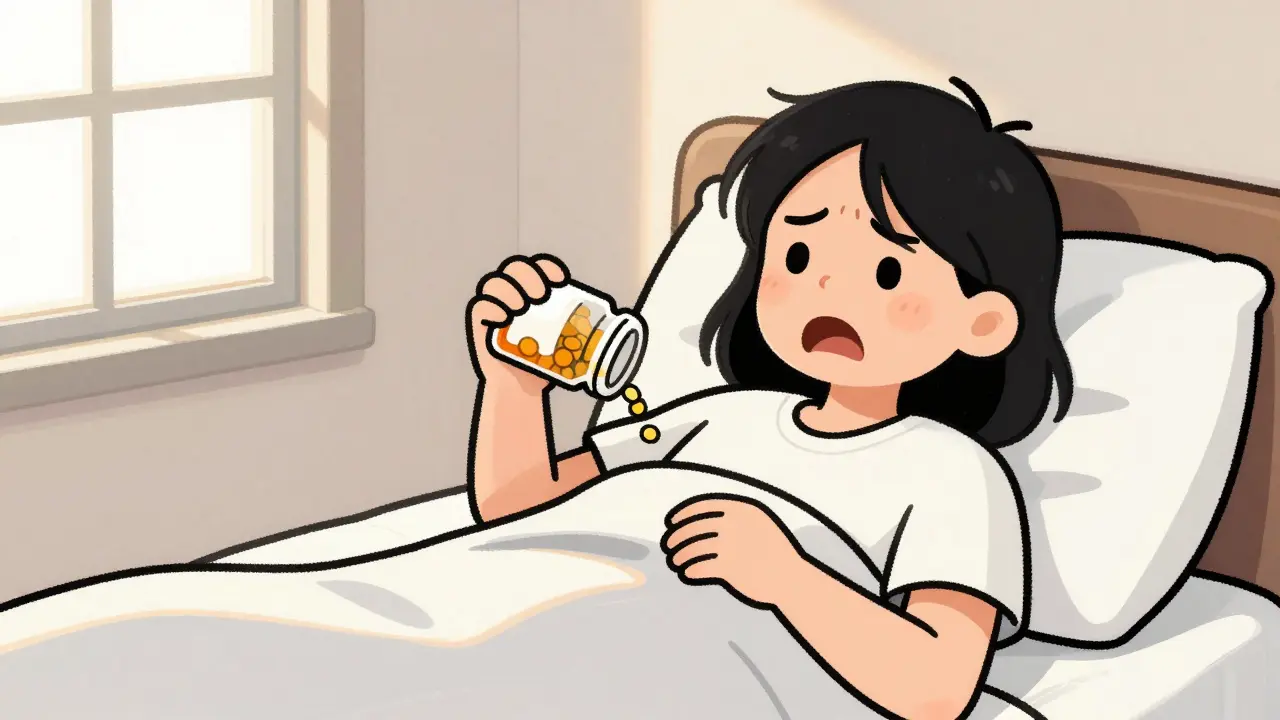
Running out of your daily medication is a stressful experience. You wake up, reach for your pill bottle, and find it empty. Now you have to call the pharmacy, wait on hold, and hope they can fill it before you actually need it. For people managing chronic conditions with generic medicines that are bioequivalent versions of brand-name drugs available at lower costs, this gap in treatment can be dangerous. That is why automated refill systems have become a standard feature in modern healthcare. These tools remove the guesswork from prescription management, ensuring your medication arrives before you run out.
In the UK and globally, medication nonadherence affects about half of patients with chronic conditions. Automated refills tackle this problem head-on by initiating refills automatically, usually five to seven days before your supply runs dry. This guide breaks down how these systems work, the benefits they offer, and what you need to watch out for when using them with online pharmacies.
How Automated Refill Systems Work
At its core, an automated refill system is a scheduling tool built into pharmacy management software. Instead of you remembering to request a refill every month, the system tracks your usage. When your medication stock reaches a predefined threshold-typically one week before depletion-the pharmacy initiates the refill process.
Here is the typical workflow:
- Enrollment: You opt-in through your pharmacy’s app, website, or in-store. This requires patient consent and often involves setting up notification preferences.
- Scheduling: The system calculates your refill date based on your dosage frequency (e.g., once daily) and the quantity dispensed (e.g., 30-day supply).
- Triggering: Five to seven days before you run out, the system flags the prescription for processing. If no changes are needed, it proceeds without manual intervention.
- Notification: You receive an alert via SMS, email, or app push notification confirming the refill is ready for pickup or delivery.
Major chains like CVS implemented these programs years ago, and now digital health platforms integrate them seamlessly. The technology relies on electronic health record integration to ensure accuracy. It is not magic; it is simply efficient data management that saves you time and reduces anxiety.
Benefits for Patients Taking Generic Medications
Generic medicines are the backbone of chronic disease management for most people. They treat everything from high blood pressure to diabetes at a fraction of the cost of brand names. Because these medications are taken long-term, consistency is key. Automated refills provide several concrete advantages.
First, they improve adherence. Studies show that automatic refill programs lead to significantly higher adherence rates. For statins, adherence improves by 7.2%. For diabetes medications, it jumps by 6.8%. These numbers matter because consistent medication use prevents complications like heart attacks or strokes.
Second, they reduce administrative burden. You do not need to remember dates or make phone calls. This is particularly helpful for elderly patients or those with memory challenges. One Medical reported that 78% of their delivery service users enroll in automatic refills specifically to eliminate the hassle of pharmacy visits.
Third, they streamline operations for pharmacies. With fewer last-minute requests, pharmacy staff can prioritize their work more effectively. This leads to faster service for everyone and fewer errors caused by rushed workflows.
| Feature | Manual Refills | Automated Refills |
|---|---|---|
| Patient Effort | High (must track dates) | Low (system handles timing) |
| Risk of Gaps | Higher (forgotten requests) | Lower (proactive triggers) |
| Adherence Impact | Baseline | +6-7% improvement |
| Flexibility | High (choose any time) | Moderate (fixed schedule) |
Potential Risks and What to Watch For
While automated refills are convenient, they are not foolproof. The biggest risk is medication errors during dosage changes. If your doctor adjusts your dose mid-cycle, the automated system might continue dispensing the old amount unless updated manually. Consumer Medication Safety documented cases where patients received incorrect dosages because the automatic refill continued despite physician adjustments.
To avoid this, always verify dosage changes with your pharmacist. Do not assume the system knows about recent consultations. Another concern is medication oversupply. If you stop taking a medication but forget to cancel the auto-refill, you may accumulate unused pills. This wastes money and creates clutter.
Some critics argue that automated refills reduce meaningful interactions between patients and pharmacists. KevinMD noted that eliminating regular touchpoints might limit opportunities for counseling. While convenience is valuable, maintaining open communication with your healthcare provider remains essential.
Setting Up Automated Refills with Online Pharmacies
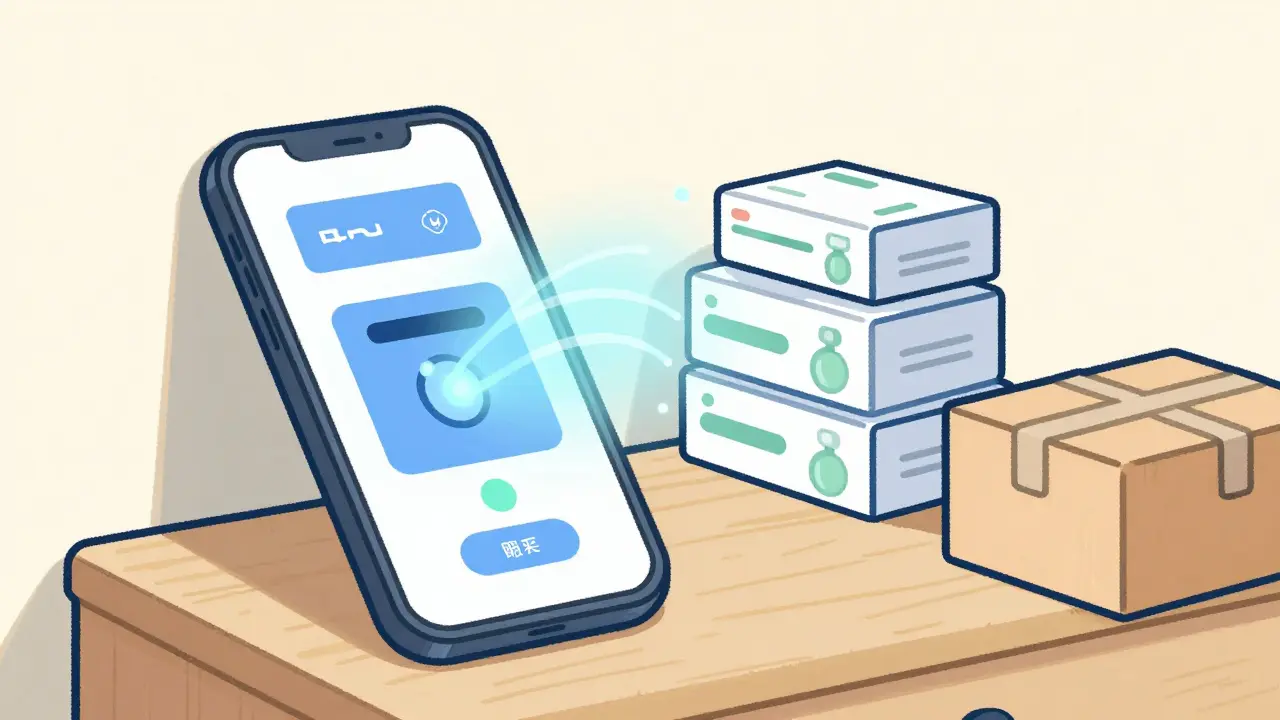
If you use an online pharmacy, setting up automated refills is straightforward. Most platforms offer this feature during checkout or in your account settings. Here is how to get started:
- Create an Account: Sign up on your preferred online pharmacy platform. Ensure your profile includes accurate medical history and current prescriptions.
- Add Prescriptions: Upload copies of your prescriptions or transfer them from your previous pharmacy. Verify that all details match exactly.
- Enable Auto-Refill: Navigate to your prescription list and toggle the "auto-refill" option for each eligible medication. Choose your preferred notification method (SMS, email, or app).
- Set Delivery Preferences: Select home delivery if available. Many services offer free shipping for monthly subscriptions or bulk orders.
- Review Quarterly: Set a calendar reminder to review your medications every three months. Cancel any discontinued prescriptions and update dosage changes.
Platforms like Amazon Pharmacy’s RxPass simplify this further by offering subscription models for common generics. For a flat monthly fee, you get access to dozens of medications with automatic replenishment. This model works well for stable, long-term treatments.
Cost Considerations and Insurance Coverage
One major advantage of automated refills for generic medicines is cost predictability. Many insurance plans, including Medicare Part D in the US, incentivize adherence through star ratings. Plans with higher adherence scores often qualify for bonus payments, which can translate to lower premiums or copays for patients.
In the UK, while NHS prescriptions are capped, private online pharmacies often offer discounts for automated deliveries. Subscription models can reduce out-of-pocket costs significantly. For example, some services charge less than £10 per month for multiple generics, compared to individual purchase prices.
Always check with your insurer or pharmacy about specific savings. Some PBMs manipulate refill triggers to generate revenue, so understanding your plan’s terms helps you avoid unexpected charges.
Frequently Asked Questions
Can I cancel automated refills anytime?
Yes, you can cancel automated refills at any time through your pharmacy account or by contacting customer support. However, if a refill has already been processed, you may still be charged. Always cancel before the trigger date to avoid unnecessary shipments.
What happens if my doctor changes my dosage?
If your doctor changes your dosage, you must manually update your prescription in the pharmacy system. Automated refills do not automatically detect verbal instructions or new prescriptions unless formally submitted. Contact your pharmacist immediately after any dosage change to prevent errors.
Do automated refills work for all medications?
Automated refills typically apply to maintenance medications for chronic conditions, such as hypertension, diabetes, or cholesterol management. Controlled substances, antibiotics, and short-term prescriptions usually require manual authorization due to regulatory restrictions.
Is my personal information secure with automated refills?
Reputable pharmacies comply with strict data protection laws like HIPAA in the US or GDPR in Europe. Your medical information is encrypted and stored securely. Only authorized personnel can access your records. Always verify that your chosen pharmacy displays privacy certifications.
How much do automated refills save me?
Savings vary by location and insurance. In the US, CMS incentives can lower premiums indirectly. Subscription models like RxPass charge $5/month for 60 generics. In the UK, private pharmacies often offer 10-20% discounts for automated deliveries. Check with your provider for exact figures.